

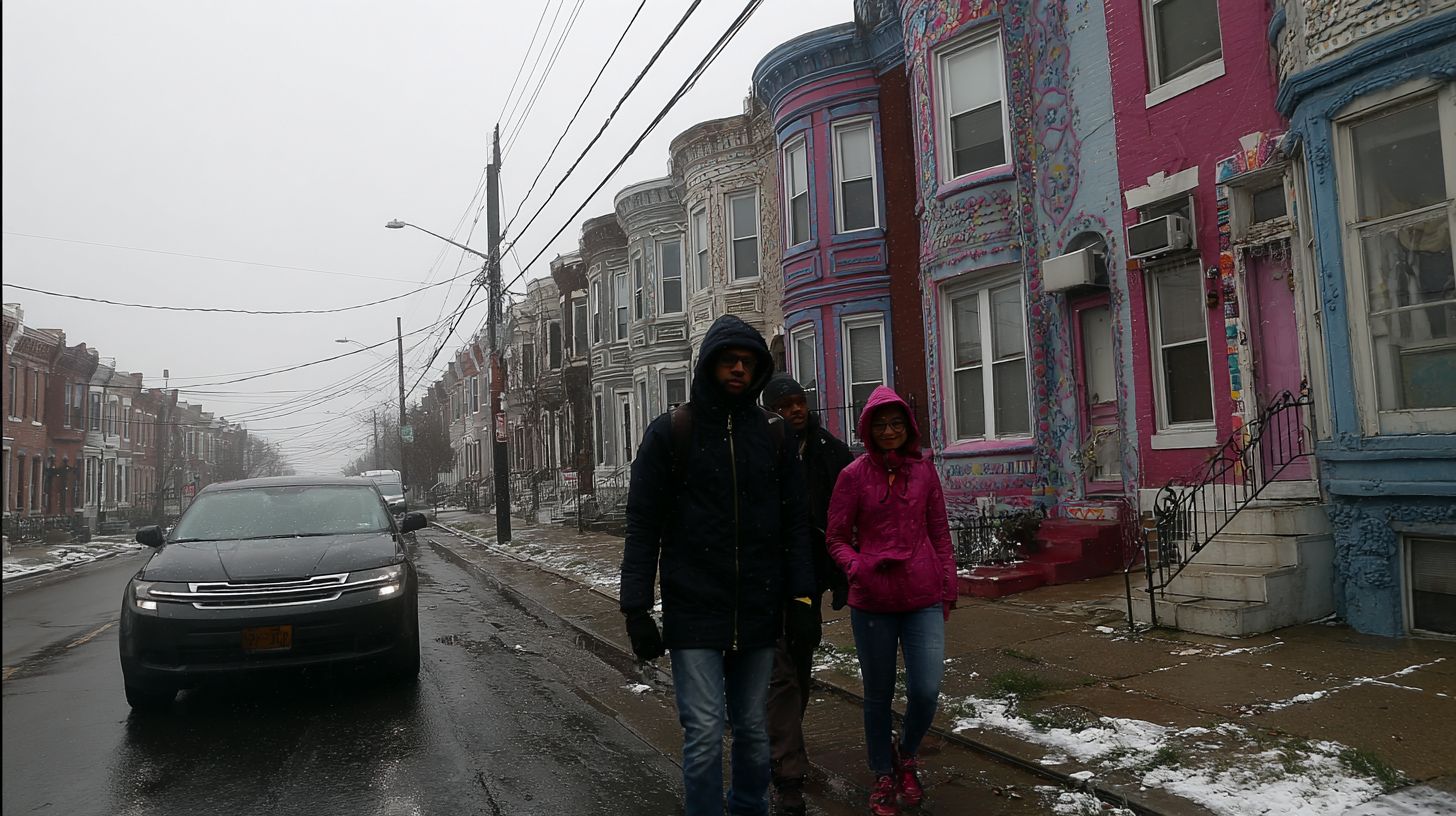
10 Aug Fishtown and Northern Liberties: Investing in Philly’s Most Vibrant Neighborhoods
Philadelphia investors evaluating Fishtown and Northern Liberties face distinct value drivers and regulatory nuances that differ from other neighborhoods. Plusrealtors’ localized market intelligence and coordinated network of title professionals, inspectors, and lenders delivers the precise insight required to assess new construction versus historic rowhomes, navigate current zoning changes along Frankford and Girard avenues, and optimize investment returns across these high-demand corridors.
Key Takeaways:
How to Evaluate Property Values in Fishtown and Northern Liberties
Property values in Fishtown and Northern Liberties vary dramatically from one block to the next due to differences in property condition, historic inventory, and proximity to amenities.
Block-by-block analysis starts with recent comparable sales within 100 to 300 feet of the subject property. These comps give investors the most accurate picture of current market conditions.
Exterior condition scores help predict both purchase price and future renovation costs. Properties with updated roofs, windows, and masonry typically command higher values than those showing deferred maintenance.
Lot widths and building depths also matter in these neighborhoods. Standard Fishtown and Northern Liberties rowhouses often sit on 14- to 16-foot-wide lots with 40- to 50-foot building depths, which impacts usable square footage and rental income potential (our Philadelphia Real Estate: A 2026 Market Overview provides additional insights into how these factors influence overall neighborhood valuations).
Current Median Sales Prices by Block
Median sales prices differ by as much as $150,000 between adjacent blocks in both neighborhoods.
In Fishtown, properties along Fishtown Avenue currently show median prices ranging from $425,000 to $525,000. Marlborough Street blocks have traded between $450,000 and $575,000 over the past year. Belgrade Street properties have seen medians between $400,000 and $500,000.
Northern Liberties blocks tell a similar story. N 2nd Street properties have sold between $475,000 and $600,000. N 3rd Street blocks have ranged from $450,000 to $550,000. Spring Garden Street addresses have commanded medians from $500,000 to $650,000.
Price-per-square-foot data provides clearer comparisons. Most blocks in these neighborhoods trade between $280 and $380 per square foot. Properties on tree-lined streets with better parking access tend to command the higher end of this range.
Over the past 12 months, several blocks have shown steady appreciation. Investors should review at least three to five recent sales on each target block before making offers. This approach helps identify value-add opportunities and avoid overpaying for properties in areas with limited upside.
What Drives Buyer Demand in These Neighborhoods Right Now
Buyer demand in Fishtown and Northern Liberties centers on walkability scores above 90, nightlife density, and direct access to the Market-Frankford Line. These Philadelphia neighborhoods attract investors because of their convenient locations and active street life. The combination of restaurants, bars, and transit options creates consistent interest from buyers seeking urban living.
Walkability plays a major role when people choose where to live. Neighborhoods that offer 10 or more restaurants within a single block become more appealing. This density of dining options supports daily convenience and attracts residents who prefer walking to meals rather than driving.
Nightlife options also influence buyer decisions. Areas with five or more venues within two blocks create evening activity and foot traffic. This level of entertainment access contributes to the neighborhood identity that many home buyers seek.
Transit access remains a key factor for long-term property value. Properties near frequent SEPTA service allow residents to reach Center City and other employment centers without relying on cars. This connectivity supports both owner-occupants and rental demand.
Proximity to SEPTA Lines and I-95 Corridors
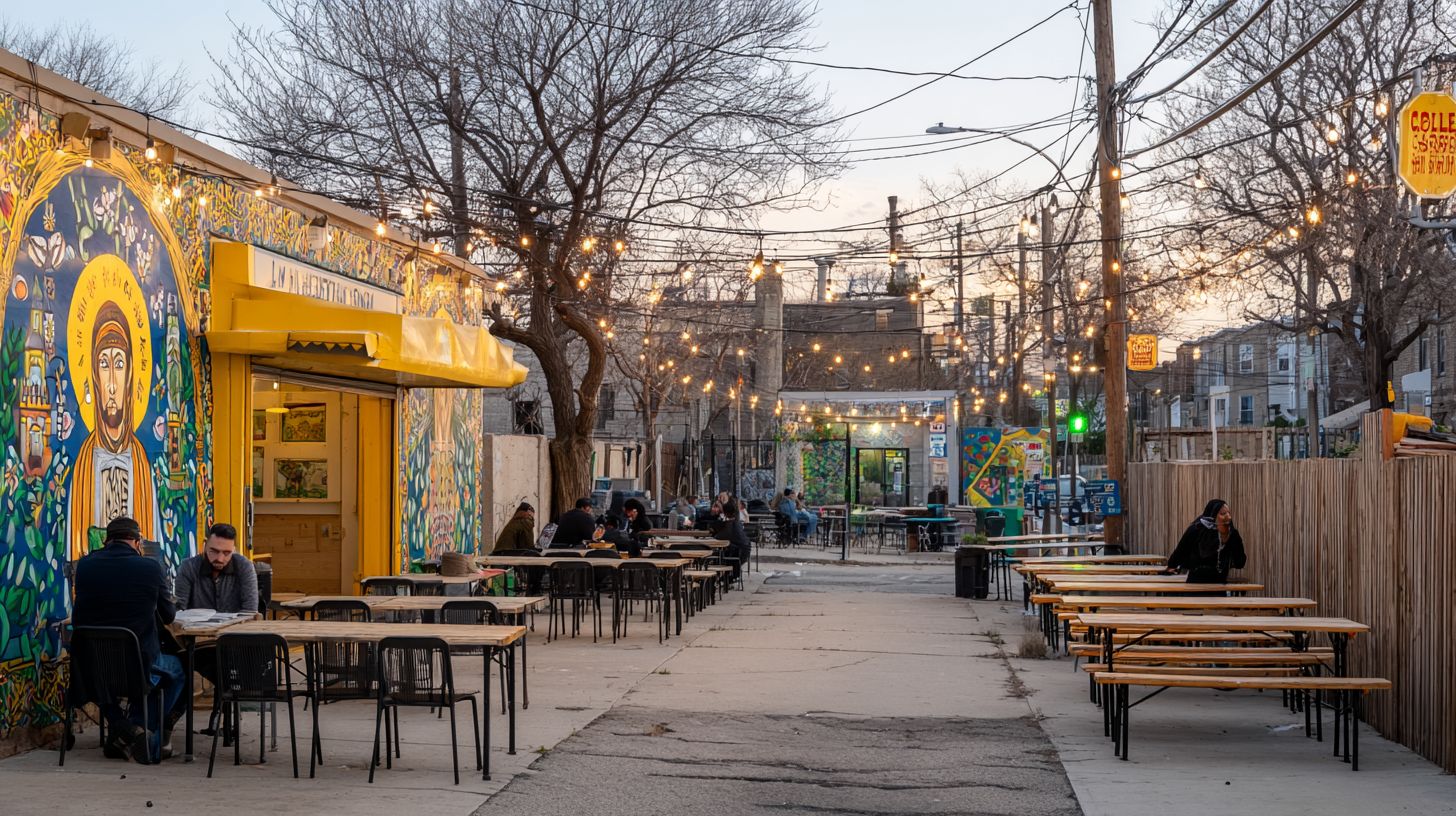
Properties within two blocks of the Market-Frankford Line or I-95 on-ramps sell for 12-18% premiums over comparable homes four blocks away. This pricing difference reflects buyer willingness to pay for convenient transportation access. The Market-Frankford Line provides direct service to University City, Center City, and other employment hubs throughout Philadelphia.
Specific SEPTA stops like York-Dauphin, Girard, and Berks serve as important transit hubs. Properties near these stations gain value because residents can reach multiple destinations without transfers. The consistent service patterns make these locations attractive to both buyers and renters.
I-95 access points at Girard and Allegheny provide additional connectivity for commuters. These exits allow drivers to reach Center City, the airport, and points north and south along the corridor. This highway access appeals to buyers who work outside the immediate neighborhood.
Recent sales data shows that proximity to these transit and highway options creates measurable price differences. Investors recognize that transportation access supports steady renter demand and long-term appreciation. This pattern holds across Fishtown and Northern Liberties as buyers continue to prioritize location convenience.
Which Property Types Offer the Best Investment Returns
Investment returns vary sharply between new construction condos, value-add rowhouses, and multifamily buildings with 3-6 units.
Each property type has distinct acquisition costs, renovation expenses, rental income potential, and resale timelines. Philadelphia investors must evaluate these factors carefully when targeting Fishtown or Northern Liberties properties.
New construction typically requires higher upfront capital with shorter holding periods before sale. Value-add rowhouses offer moderate entry costs with renovation opportunities. Multifamily buildings provide immediate cash flow from multiple units but demand more management oversight.
Local market dynamics in these neighborhoods favor properties that balance appreciation potential with steady rental income. Real estate experts note that location within each neighborhood influences returns more than property type alone, which is why understanding top up-and-coming Philadelphia neighborhoods for real estate investment becomes essential for maximizing your returns.
New Construction vs. Historic Rowhomes
New construction in these neighborhoods commands $150-$200 per square foot premiums over fully renovated historic rowhomes.
Land acquisition costs for new construction often exceed $200,000 per lot in Fishtown, with construction expenses ranging from $250 to $350 per square foot. Historic rowhomes typically purchase between $300,000 and $500,000, plus $80 to $120 per square foot for rehabilitation work.
New builds attract high-income renters willing to pay premium rents for modern amenities and energy efficiency. Historic properties command lower rents but benefit from neighborhood character and established tenant demand.
Rehab projects in Northern Liberties face additional costs for historic preservation compliance and older infrastructure updates. Investors should budget extra for unexpected structural issues common in century-old buildings.
Resale timelines differ significantly between property types, with new construction selling faster in strong markets while renovated historic homes appreciate steadily over longer periods. Both options benefit from the area’s walkability and proximity to Center City employment centers.
How Plusrealtors’ Local Network Supports Your Purchase
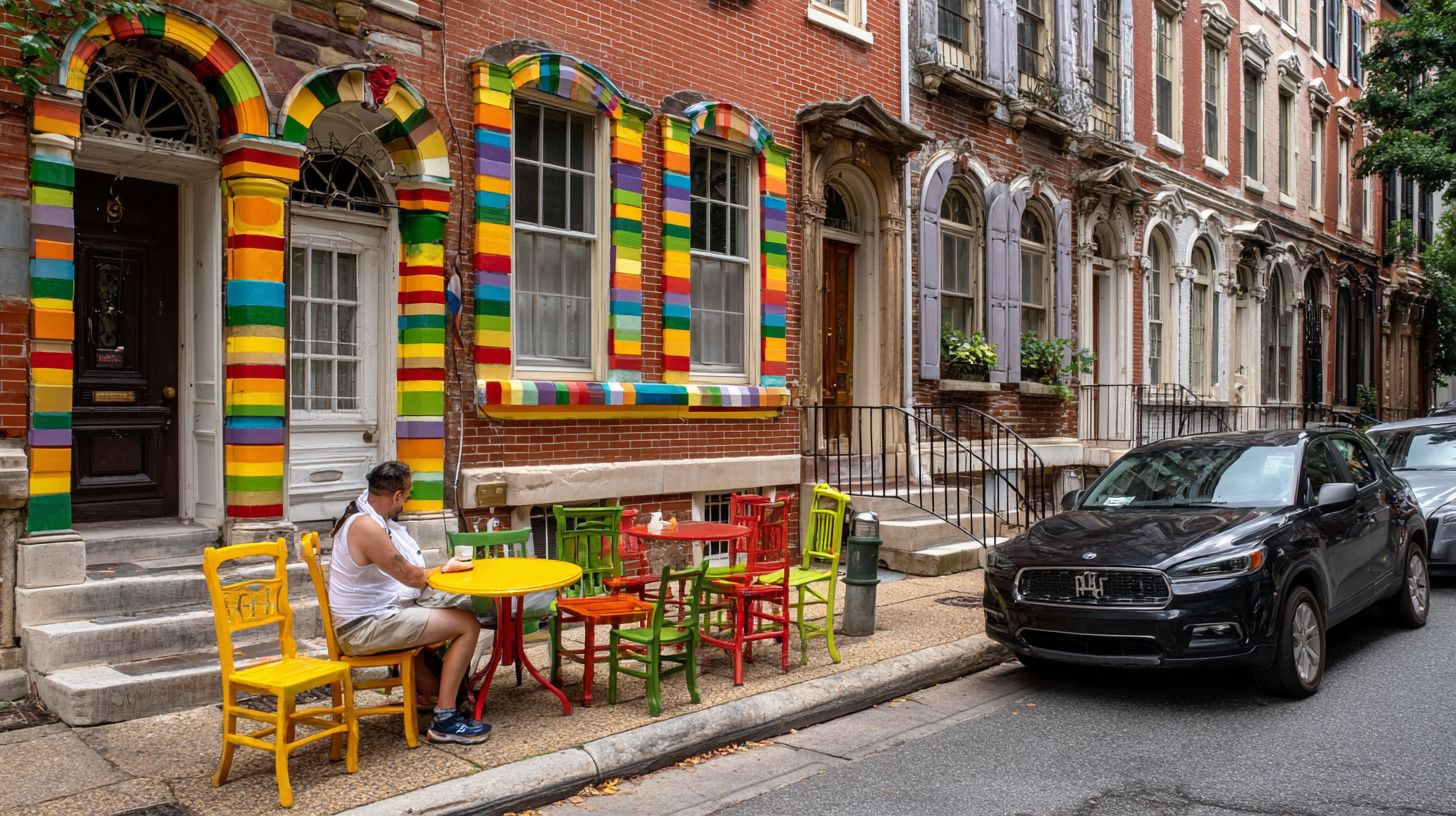
First sentence: Plusrealtors coordinates title, inspection, and lending partners to streamline the purchase process for investors targeting Fishtown and Northern Liberties properties.
Investors often face delays when managing separate vendors for each stage of closing. Plusrealtors eliminates this friction by connecting buyers with in-house conveyancing services and pre-selected professionals who understand Philadelphia rowhouse systems.
The team hand-picks agents with an average of 14+ years experience closing 100-300 transactions per year. This depth of local expertise proves valuable when evaluating historic inventory in neighborhoods where block-by-block differences affect value and rental demand.
Free market analysis and consultations help investors identify properties that match their cash flow goals. Whether targeting multifamily buildings or single-family rowhouses, Plusrealtors’ network reduces the time between offer acceptance and settlement.
Coordinated Title, Inspection, and Lending Services
Investors gain 10-14 days in due diligence by using Plusrealtors’ pre-vetted title company, inspection team, and lender network.
Title partners complete searches within 48 hours. This quick turnaround allows buyers to identify liens or ownership issues before committing significant resources to a Northern Liberties or Fishtown purchase.
Inspectors familiar with 100-year-old rowhouse systems deliver reports within 24 hours. Their expertise covers the specific mechanical and structural concerns common to Philadelphia’s older housing stock.
Mortgage partners issue pre-approvals for investment properties within 3 business days. This speed helps investors move decisively when properties that meet their appreciation and rental criteria become available.
What Financing Options Are Available for Philly Investors
Philadelphia investors typically use conventional investment mortgages at 20-25% down, portfolio lines of credit, or hard-money loans for value-add rehabs.
Conventional investment mortgages remain the most common choice for stable rental properties. These loans require 20-25 percent down payments and current rates typically range from 6.75 to 7.5 percent for qualified buyers.
Cash flow on a $400,000 Fishtown rowhouse with 25 percent down at 7 percent could generate $300 to $500 monthly after expenses. This structure works well for long-term portfolio investors seeking steady rental demand in established neighborhoods.
Portfolio lines of credit offer flexible access to capital for experienced investors. These revolving facilities typically carry rates between 7.5 and 9 percent with 15-20 percent equity requirements against existing holdings.
Investors can use this option to purchase multiple Northern Liberties properties without refinancing each time. The flexible draw structure helps manage rehab costs across several blocks during renovation phases.
Hard-money loans suit value-add projects requiring quick closings and renovation funding. These short-term options charge 10-12 percent interest with 2-4 points upfront and 25-30 percent down payments.
A $450,000 multifamily property in University City might need $75,000 in rehab work. Hard-money financing bridges the gap until the property stabilizes and qualifies for permanent conventional financing.
Each financing structure affects cash flow differently based on property type and location. Investors should evaluate their timeline, experience level, and exit strategy before selecting a particular option for Philadelphia real estate investments.
How Zoning Changes Are Reshaping Development Potential

Recent zoning changes along Frankford and Girard Avenues now allow greater density and mixed-use development in previously single-use commercial corridors.
These updates increase height limits from 38 to 65 feet along key stretches. Developers can now build taller structures that accommodate more residential units and commercial spaces.
New allowances permit ground-floor retail with residential units above. This creates flexible spaces that serve both local businesses and housing needs.
Reduced parking minimums apply to transit-adjacent lots. Properties near SEPTA stops face fewer requirements for off-street parking, lowering construction costs.
Investors should review these changes carefully. Properties located within the updated zones may command higher prices due to expanded development potential, particularly when considering how to successfully execute a 1031 exchange in the greater Philadelphia market for maximum tax benefit.
Local planning documents detail the exact boundaries of rezoned areas. Property records reveal which parcels qualify for the new regulations.
Recent Rezonings Near Frankford Avenue and Girard Avenue
Three parcels between Frankford and Girard were rezoned CMX-3 in 2024, permitting 6-story mixed-use buildings with no parking requirement.
Specific addresses include 1400-1410 North Front Street, 1801-1809 Girard Avenue, and 425 East Thompson Street. Each property transitioned from previous commercial classifications to CMX-3.
Current zoning allows up to 45 residential units per parcel under the new regulations. Developers have submitted permit applications for mixed-use projects at two of the three locations.
Active projects include a 42-unit residential building with ground-floor retail spaces at the Girard Avenue site. Construction permits are under review for the Front Street parcel.
These rezonings reflect broader trends across Fishtown and Northern Liberties. Investors examining similar properties should verify current zoning status before making purchase decisions.
Local real estate professionals maintain updated records on zoning classifications. Title searches reveal any recent changes affecting development potential.
Which Commercial Spaces Are Attracting New Retail Tenants
Ground-floor commercial spaces between 1,200 and 2,000 square feet with 14-foot ceilings and direct sidewalk access are leasing within 60 days at $35-$45 per square foot NNN.
Specialty coffee shops continue to expand quickly in both Fishtown and Northern Liberties. Several national chains and local roasters have secured ground-floor locations along Frankford Avenue and Girard Avenue over the past year.
Fast-casual restaurant concepts also seek these corridor spaces. New leases show landlords offering tenant improvement allowances between $30 and $60 per square foot to attract proven operators.
Boutique fitness studios represent another strong tenant category. Yoga, Pilates, and barre studios prefer spaces with open floor plans and high ceilings that accommodate group classes. Recent deals along East Girard Avenue included build-out allowances of up to $75 per square foot.
Cannabis dispensaries have emerged as a growing tenant type in the neighborhood. These retailers require separate ventilation systems and secured storage areas, driving specialized lease structures with higher security deposits and longer-term commitments.
Investors evaluating commercial opportunities in these neighborhoods should review recent lease comps on similar blocks. Property records show that spaces with strong foot traffic and visible facades achieve the fastest lease-up times and command the highest rents per square foot.
How Property Management Strategies Differ in Fishtown vs. Northern Liberties
Property management approaches diverge due to differing tenant profiles, turnover rates, and short-term rental regulations between the two neighborhoods.
Philadelphia investors notice that Fishtown attracts younger professionals who favor shorter leases and appreciate nightlife. Northern Liberties draws established renters who seek longer commitments and value the neighborhood identity.
Tenant screening criteria reflect these preferences. Fishtown managers often prioritize income verification and credit history to match the transient nature of the area. Northern Liberties operators examine employment stability and rental references more closely.
Lease length norms follow the same pattern. Fishtown properties commonly use six to twelve month agreements. Northern Liberties leans toward twelve to twenty four month terms that reduce turnover costs for owners.
Maintenance response SLAs differ by neighborhood density. Fishtown managers typically respond within 24 hours due to higher call volumes. Northern Liberties teams often establish 48 hour response windows for non emergency repairs.
Eviction timelines depend on local court data. Philadelphia courts process cases at similar speeds in both areas, yet Fishtown experiences more frequent filings due to shorter lease cycles. Northern Liberties records fewer filings but longer average case durations.
Short-Term Rental Regulations and Revenue Potential
Fishtown permits unlimited short-term rentals with registration, while Northern Liberties caps them at 90 days per year for non-primary residences.
Registration steps begin with obtaining a Philadelphia business privilege license. Property owners then complete a short term rental application through the city portal. Annual permit costs vary by neighborhood and property type.
Occupancy tax rates remain consistent across Philadelphia at the city and state level. Investors in both neighborhoods collect and remit these taxes quarterly through the established collection system.
Revenue projections for a two bedroom rowhouse depend on location and seasonal demand. Fishtown properties generate higher annual income due to unrestricted availability. Northern Liberties owners achieve competitive returns by focusing on longer term corporate stays during restricted periods.
Philadelphia investors evaluate these regulations when building their long term portfolio strategy. Understanding each neighborhood approach helps property owners select the management style that matches their investment goals.
What Long-Term Appreciation Trends Should Investors Expect
Fishtown and Northern Liberties have delivered 8-11% annual appreciation over the past five years, driven by continued employment growth at nearby hospital systems and universities.
Employment forecasts at the University of Pennsylvania, Drexel University, and Children’s Hospital of Philadelphia point to sustained job creation through 2026. These institutions continue expanding their presence in the region, which creates steady renter demand from medical professionals and academic staff who prefer walkable neighborhoods like Fishtown and Northern Liberties.
Planned infrastructure investments in public transportation improvements and neighborhood amenities further support property values. Research suggests that areas with strong institutional employment anchors and transit access typically maintain consistent appreciation patterns over multi-year periods.
Historical price-growth correlations show that these neighborhoods have benefited from their proximity to University City and Center City. Investors examining long-term portfolios should note how medical jobs and hospital systems continue drawing high-income renters who value walkability and neighborhood identity. Those curious about how these market dynamics might shape their decisions in the coming year may want to explore our 2026 Philadelphia real estate overview.
Rowhouse properties in these locations have shown particular resilience during market shifts. The combination of historic inventory, new construction options, and improving infrastructure creates multiple pathways for value appreciation through 2026.