

29 Jun Rittenhouse Square vs. Society Hill: Which Luxury Neighborhood Fits Your Lifestyle?
For buyers weighing Philadelphia’s premier addresses, choosing between Rittenhouse Square and Society Hill requires more than market data-it demands insight into how each neighborhood aligns with your daily life. This comparison examines walkability, property types, and long-term value within the local landscape, helping you identify which area best fits your priorities.
Key Takeaways:
Which Philadelphia Luxury Neighborhood Matches Your Lifestyle: Rittenhouse Square or Society Hill?
Rittenhouse Square and Society Hill each deliver distinct center-city living experiences measured by daily routines, property types, and community rhythms.
High-rise condos define much of Rittenhouse Square. These towers sit above street-level retail that includes boutiques, cafes, and services within easy reach. Residents often enjoy direct elevator access from parking garages to their units.
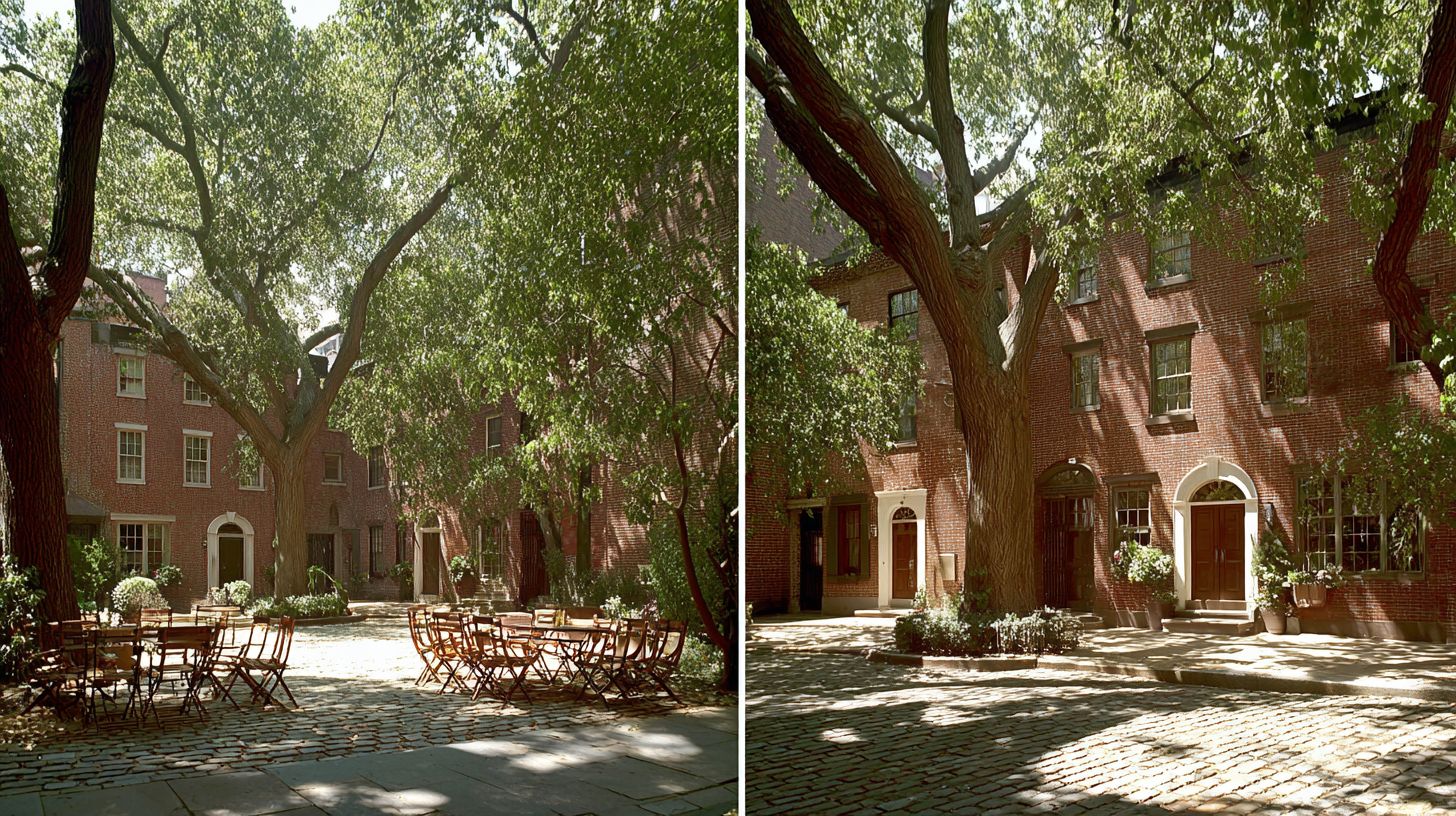
Society Hill features preserved 18th-century rowhomes. These historic structures maintain original brick facades and interior details that appeal to buyers who value architectural character.
Redfin data shows median sale prices in Rittenhouse Square typically exceed those in Society Hill. The price per square foot also tends to reflect newer construction and building amenities in the Rittenhouse area.
Walk scores for both neighborhoods rank among the highest in Philadelphia. Residents in either location rarely need vehicles for daily errands or dining.
Rittenhouse Square park provides immediate green space for morning runs, weekend picnics, and seasonal events. The park sits at the heart of the neighborhood with walking paths and seating areas.
Society Hill places residents steps from Independence Hall and the Liberty Bell. Historic sites attract visitors year-round and create a steady rhythm of activity along cobblestone streets.
Young professionals and empty-nesters often prefer Rittenhouse Square for its modern condos and proximity to restaurants. These buyers value convenience and building services like doormen and fitness centers.
Buyers drawn to Society Hill frequently seek historic rowhomes with private gardens or roof decks. They appreciate the quieter residential blocks and direct ties to Philadelphia’s founding era.
How Do Walkability and Daily Convenience Compare Between These Two Areas?
Both neighborhoods post top-tier walk scores, yet their retail density, transit nodes, and riverfront access differ in measurable ways.
Residents in each area enjoy short trips for groceries, prescriptions, and meals without needing a vehicle for most tasks. Daily patterns shift based on which river corridor sits closer and which transit line serves the immediate blocks.
Proximity to the Market-Frankford Line affects commute times for center city workers, while access to either the Schuylkill River or Delaware River trails influences weekend routines. Retail clusters also vary, creating distinct daily rhythms.
Choosing between the two often comes down to preferred walking routes, elevator access in towers, and the type of shopping available within a few blocks. Families evaluating these areas may also want to consult this comprehensive guide to Philadelphia neighborhoods for families when weighing long-term considerations.
Rittenhouse Square Walkability and Retail Access
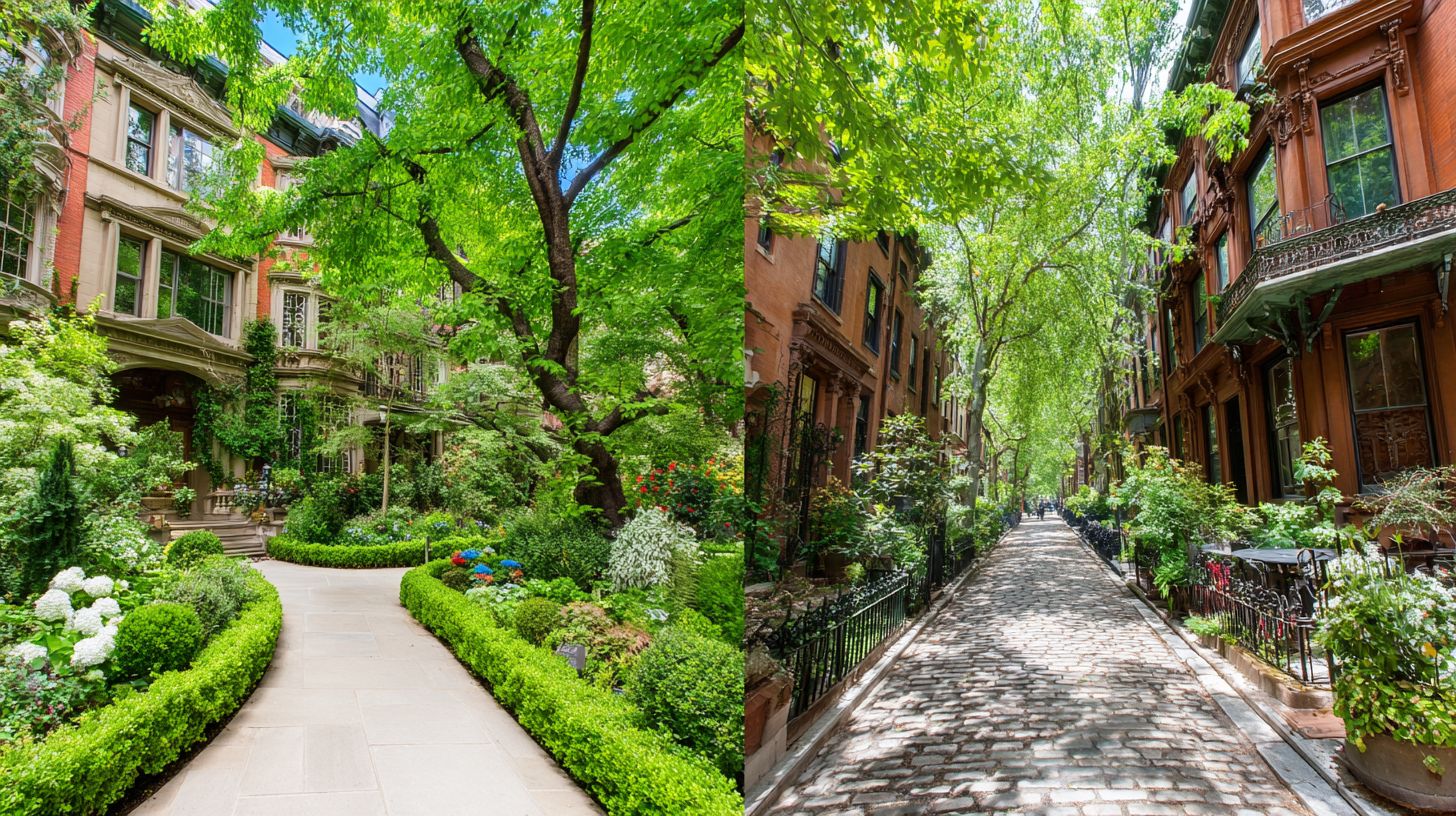
Rittenhouse Square’s grid places 90+ walk scores within two blocks of the central park and luxury towers.
The area clusters grocery stores, pharmacies, and dozens of dining spots inside a compact 0.3-mile radius. Residents reach these outlets on foot from many condo buildings that offer elevator service.
Walk-up rowhomes remain common on side streets, yet newer towers provide direct indoor access to lobbies and parking. This mix supports quick errand runs even during winter months.
Retail concentrates along Walnut and Chestnut corridors, giving locals consistent options for produce, household goods, and prepared meals without crossing major thoroughfares.
Society Hill Historic District Walk Scores and Transit Links
Society Hill records 85-95 walk scores and direct links to both the Market-Frankford Line and Delaware River waterfront paths.
Walks to Independence Hall and the Liberty Bell take roughly five to eight minutes from most blocks. Cobblestone sections slow foot traffic compared with smoother modern sidewalks elsewhere in center city.
Peak-hour SEPTA service maintains short headways at nearby stations, supporting efficient commutes toward university city or northern liberties. Riverfront trails along the Delaware provide additional routes for recreation.
Historic preservation rules limit new retail development, so daily needs often route toward nearby old city or queen village clusters instead of large on-site options.
What Are the Typical Price Points and Property Types Available?
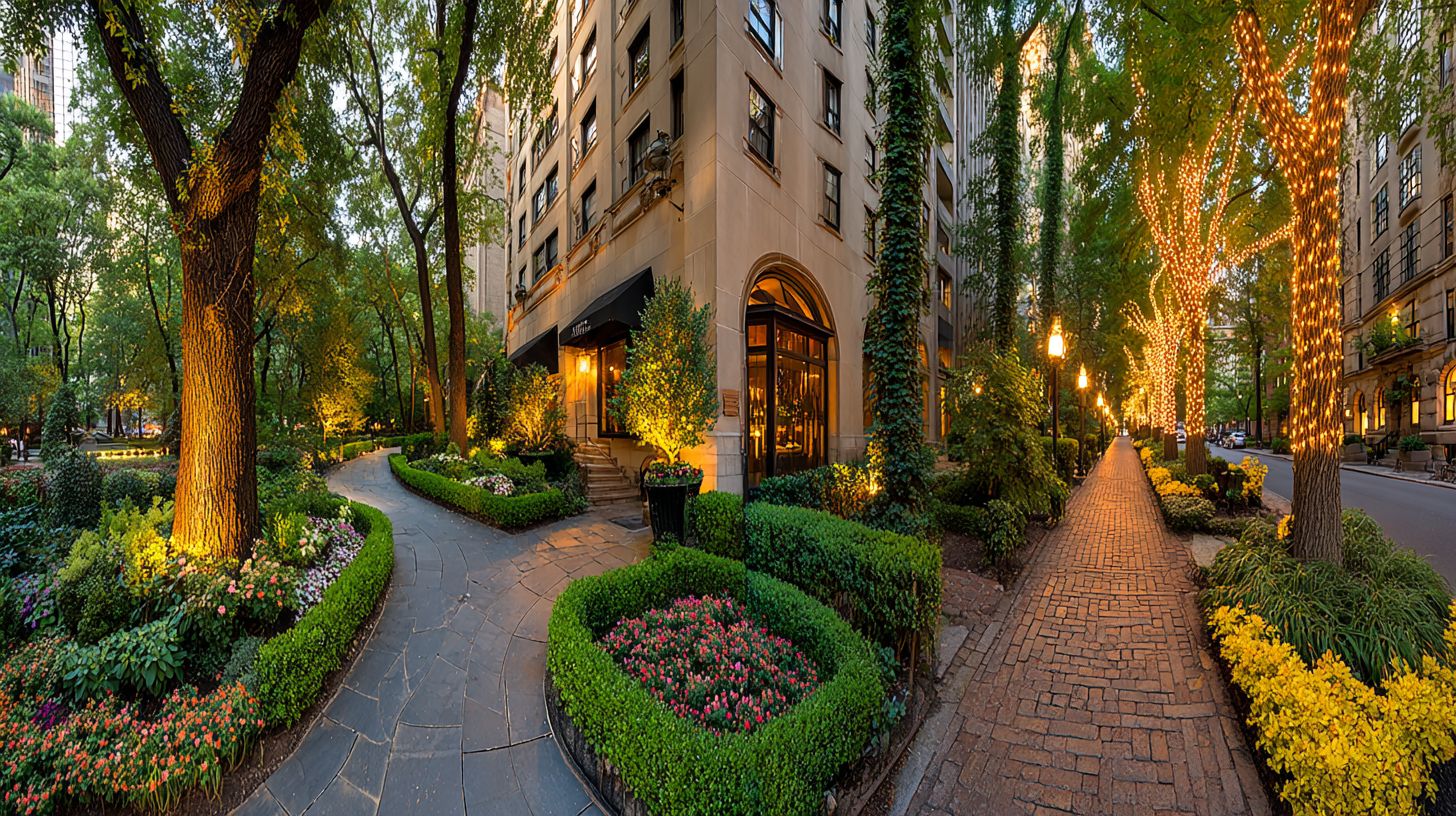
Current Redfin data shows median list prices above $800k in both districts, but property stock and price-per-square-foot ranges diverge sharply.
Market conditions in April 2026 reflect the distinct character of each neighborhood. Buyers encounter different opportunities depending on whether they prefer modern high rises or preserved historic structures.
Price per square foot varies based on building age and finishes. New construction commands premiums while older stock offers value through location and architectural details.
HOA fees and tax abatements play a major role in total ownership costs. These factors can shift the overall investment picture for both buyers and sellers, much like the broader trends covered in our Philadelphia Real Estate: A 2026 Market Overview.
Condominiums, Townhomes, and Single-Family Options in Rittenhouse Square
Rittenhouse Square’s inventory skews toward 1,200-2,800 sq ft condo units priced between $650 and $1,400 per square foot.
Most units fall within one to three bedroom layouts. Studio options appear less frequently in this luxury segment.
Recent sales indicate that full-service buildings command higher prices. Amenities such as 24-hour doormen and rooftop decks contribute to these premiums.
HOA fees typically range from several hundred to over one thousand dollars monthly. These costs cover maintenance, security, and shared facilities.
Tax abatements remain available for qualifying new construction. Buyers should review current eligibility rules before making offers.
Price per square foot tends to be higher for units with upgraded finishes and park views. Properties without these features often sell closer to the lower end of the range.
Historic Townhomes and Modern Condos in Society Hill
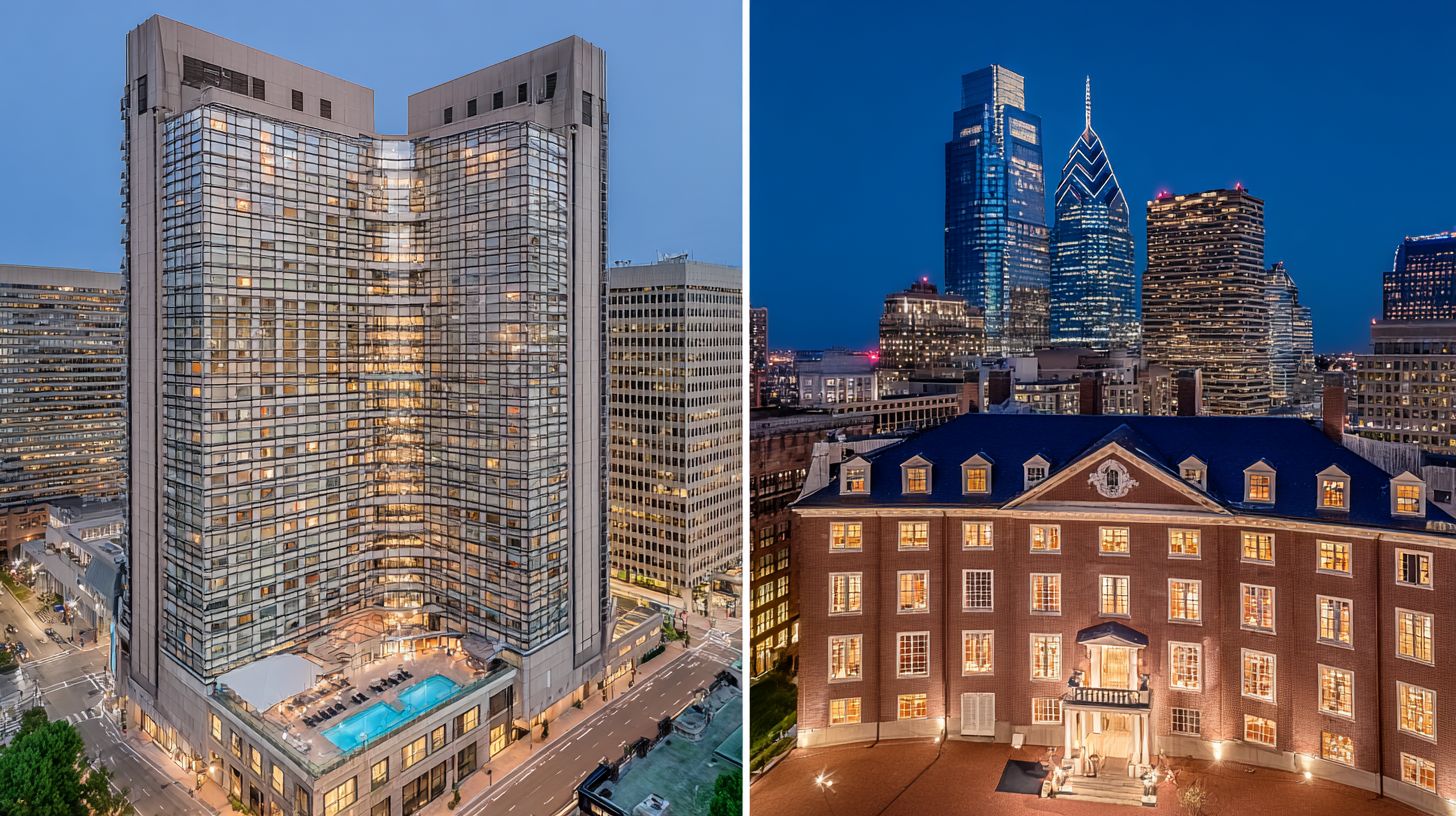
Society Hill listings range from 2,000 sq ft 18th-century brick rowhomes at $550 per square foot to new-construction flats inside converted warehouses at $700 per square foot.
Historic district rules limit exterior changes and renovations. These restrictions preserve neighborhood character but may affect modernization plans.
Parking remains limited throughout the area. Many buyers factor garage space or monthly rental costs into their budgets.
Recent sales show steady demand for both original rowhomes and condo conversions. Price per square foot reflects the balance between historic appeal and modern updates.
Condo conversion projects often carry premiums due to updated systems and shared amenities. Buyers should verify reserve funds and building maintenance history.
Tax considerations differ between older properties and newer developments. Consulting local professionals helps clarify the financial impact of each option.
Which Neighborhood Offers Stronger Investment Potential in Greater Philadelphia?
Five-year appreciation trends and rental yield data indicate divergent upside between the two micro-markets. Rittenhouse Square and Society Hill both sit within Center City, yet subtle differences in buyer demand create distinct outcomes for investors. Local market conditions continue to shape returns across Philadelphia neighborhoods.
Redfin data shows median sale price changes vary by location and property type. Rittenhouse Square often records faster price growth in recent periods, particularly for condos and rowhomes near the park. Society Hill tends to hold steady values due to its historic character and limited inventory.
Days on market also differ between these areas. Properties in Rittenhouse Square move quickly when priced near current list price levels. Society Hill homes may require longer marketing periods, especially for larger historic residences.
Cap rates for furnished versus unfurnished rentals reflect local rental demand patterns. Furnished units near Rittenhouse Square can generate higher monthly income, though maintenance costs increase accordingly. Unfurnished rentals in Society Hill appeal to tenants seeking long-term leases and lower turnover rates.
Philadelphia investors should evaluate price per square foot alongside walk scores when comparing options. Both neighborhoods offer strong walkability to shops, restaurants, and transit. Rittenhouse Square typically commands higher price per square foot due to newer construction and building amenities.
Society Hill benefits from proximity to Independence Hall and the Delaware River waterfront. These landmarks support consistent visitor traffic and tourism related demand. Historic rowhomes in this area maintain appeal among buyers who value preservation and architectural character.
Expert analysis suggests monitoring median sale price trends over multiple quarters rather than single data points. Philadelphia real estate markets respond to broader economic factors and local development projects (our Philadelphia Housing Market Forecast 2025 provides detailed projections). Working with experienced professionals familiar with each micro-market helps investors identify suitable opportunities.
How Do Schools, Parks, and Cultural Amenities Differ?
Access to top-rated schools, signature parks, and cultural institutions varies block-by-block between the two neighborhoods.
Rittenhouse Square sits near several highly regarded public and private schools that serve families seeking strong academics in Center City. Society Hill offers proximity to well-established institutions that emphasize both academics and historic education programs. Parents often compare test scores and program offerings before selecting a neighborhood.
Both areas provide convenient access to green space, yet the character of those spaces differs. Rittenhouse Square features a compact, tree-lined park at its center that serves as a daily gathering spot. Society Hill connects to larger segments of Fairmount Park and sits closer to Schuylkill River Trail entrances for longer walks and bike rides.
Residents in Rittenhouse Square can reach Benjamin Franklin Parkway museums on foot within fifteen to twenty minutes. Society Hill offers slightly longer walks or short transit rides to the same cultural corridor. The choice often depends on whether daily park access or museum proximity matters more.
Local families weigh these differences alongside walk scores and typical commute patterns when comparing the two neighborhoods. If you’re exploring family-friendly options across the city more broadly, our best neighborhoods in Philadelphia for families guide offers additional context for making this decision. Real estate professionals familiar with Philadelphia Center City help buyers map specific blocks to their lifestyle priorities.
Can Local Market Experts at Plusrealtors Help Navigate Philadelphia’s Luxury Inventory?
Local specialists maintain real-time access to off-market luxury listings and hyper-local pricing intelligence. This knowledge helps buyers evaluate opportunities in neighborhoods such as Rittenhouse Square and Society Hill.
Agents who work daily in Center City often receive notice of pocket listings before properties reach public sites. They can alert clients when a condo or rowhome meets specific criteria for size, price per square foot, or proximity to parks and trails.
A comparative market analysis draws on recent sales in similar blocks to establish realistic expectations. This process accounts for differences between historic properties near Independence Hall and newer developments along the Schuylkill River.
Matching buyer preferences to current inventory requires understanding micro-neighborhood details. Walk scores, HOA fees, and building amenities all factor into the final recommendation.
Local experts also coordinate with trusted title professionals, inspectors, and mortgage lenders to keep transactions moving forward efficiently. Their network supports clients throughout Philadelphia’s competitive luxury segment.
What Financing, Inspection, and Title Resources Are Available Through Local Networks?
Established local networks coordinate mortgage pre-approvals, certified inspectors, and in-house title services under one umbrella. This structure keeps transactions moving forward in competitive Philadelphia neighborhoods like Rittenhouse and Society Hill.
Coordinated closing timelines allow buyers to align mortgage commitments with inspection windows and title reviews. A single point of contact manages communication across lenders, inspectors, and attorneys, which reduces delays during the process.
Sample inspection checklists for Center City rowhomes typically cover structural integrity, HVAC systems, roof conditions, plumbing, and electrical panels. Additional items include assessments of historic features and shared building elements in condominium properties.
Buyers working with RE/MAX Plus | Haghkar Group gain access to these resources through the Bridgeport, PA office at 5 W 5th St, Bridgeport, PA 19405 or the Philadelphia, PA office at 6100 Ridge Ave, Philadelphia, PA 19128. Both locations share the phone number 267.699.7252.
Local title professionals familiar with Philadelphia market conditions help identify potential issues early. This preparation supports smoother closings whether purchasing a condo near Independence Hall or a historic property overlooking the Delaware River, as outlined in Crucial Steps for First-Time Homebuyers in the Philadelphia Market.