


12 May The Ultimate Guide to Relocating to Philadelphia This Year
The Ultimate Guide to Relocating to Philadelphia This Year
Planning your move to Philly? Whether chasing Philadelphia’s booming job market or embracing city living in Pennsylvania‘s cultural hub, Greater Philly offers unmatched opportunities in Bucks, Montgomery, Delaware, and Chester counties. This guide delivers insider insights on housing costs, top neighborhoods, timing your buy, and expert partners-like Plusrealtors’ network of realtors, inspectors, and lenders-to make your Philly relocation seamless.
Key Takeaways:
Why Relocate to Philadelphia in 2024?
Philadelphia’s robust job market in healthcare, education, and finance, coupled with lower cost of living compared to NYC, Boston, and DC, makes it an ideal 2024 relocation spot for professionals seeking Northeast opportunities without premium prices. Philly’s unemployment rate sits at 3.5%, below the national average according to U.S. Bureau of Labor Statistics 2024 data. This strong economy draws workers from pricier cities.
Housing costs run about 20% lower than in NYC, freeing up budget for homeownership in suburbs like Bucks or Montgomery Counties. High-speed Amtrak Acela service connects Philly to DC in under two hours or Boston in about four, perfect for commuters. Neighborhoods offer row houses and modern apartments at accessible rents.
The average salary around $65K supports comfortable living, including cheesesteaks, pretzels, and hoagies from local spots like Wawa. Plusrealtors’ local network eases transitions with insights on neighborhoods, SEPTA transit, and cultural gems like the Liberty Bell. Relocating here balances city energy with affordability.
From Eagles games to craft breweries and festivals, Philly blends sports, music, and history. Public transit and walkable streets make daily life simple, even in winter snow or summer heat. Experts recommend it for long-term ROI in the Northeast.
Job Market and Economic Growth in Greater Philly
Greater Philadelphia’s economy thrives with jobs in healthcare like Penn Medicine and CHOP, plus education hubs such as UPenn and Temple. These sectors anchor steady growth. Finance draws from Comcast and Vanguard presence.
Key areas include:
- Healthcare with 150K jobs and 4% growth, centered in University City.
- Education supporting 100K roles around UPenn.
- Finance boosted by Comcast and Vanguard.
- Life sciences in the biotech boom of University City.
- Sports and entertainment from Eagles and Phillies, generating over $1B annually.
About 30% hybrid roles suit remote workers, with post-COVID influx from NYC saving on rent. Philly’s job market offers practical paths in these fields. Moving here means quick access to opportunities via SEPTA or Amtrak.
Neighborhoods like Fishtown mix nightlife and jobs, while row houses provide affordable housing. Experts recommend targeting education or healthcare for stability. This growth supports living near museums, restaurants, and Independence Hall.
How Much Does It Moving to Philadelphia in 2024 averages $5,000-$15,000 including PODS transport, with housing costs 15% below NYC per Zillow 2024 index, tailored to Bucks, Montgomery, Delaware, and Chester counties.
Moving costs vary by household size and distance. For a two-bedroom apartment, expect PODS containers at around $3,000 from NYC, plus truck rentals or full-service movers adding $2,000 more.
Philadelphia’s cost of living draws commuters from NYC and Boston. Factor in gas for drives or Amtrak fares, alongside deposits for row houses in neighborhoods like Fishtown.
Use this table to compare key expenses against national averages. It highlights savings in rent and transit via SEPTA.
| Category | Philly Average | National Avg | Notes |
|---|---|---|---|
| Moving (2BR PODS) | $3,000 | $4,500 | $3K for PODS from NYC; cheaper than Boston hauls |
| Rent (2BR Center City) | $1,800 | $2,200 | Vs. $2,500 NYC; Northeast Philly lower at $1,500 |
| Utilities (monthly) | $200 | $250 | Includes PECO electric; Wawa runs add little |
| SEPTA Transit Pass | $100 | $120 | KeyLine to suburbs; beats DC Metro costs |
| Groceries (hoagie meal) | $15 | $18 | Cheesesteak or pretzel spots keep it low |
Plan for first-year totals around $40,000. This covers $24,000 in rent and deposit, movers, and setup in counties like Bucks for families eyeing Eagles games.
Current Housing Prices in Philly, Bucks, Montgomery, Delaware, and Chester Counties
Philadelphia’s median home price hit $255,000 in Q1 2024 (Redfin data), with Bucks County at $550,000 reflecting suburban demand amid 5% YoY appreciation across Greater Philly.
Buyers face PA housing regs like inspections and disclosures. Watch for 1-2% transfer taxes on sales, common in row house deals near Independence Hall.
Renters enjoy flexibility in vibrant spots. Compare options in this table for median sale prices, rents, and fits amid Philly’s job market in healthcare and education.
| County | Median Sale Price | Avg Rent (2BR) | YoY Change | Best For |
|---|---|---|---|---|
| Philly City | $255K | $1,800 | +7% | Urban pros; cheesesteak runs, museums |
| Bucks | $550K | $2,100 | +5% | Suburban families; short SEPTA commute |
| Montgomery | $520K | $2,000 | +6% | Professionals; craft breweries, history |
| Delaware | $380K | $1,900 | +4% | Commute to city; festivals, sports |
| Chester | $450K | $2,200 | +6% | Families; parks, lower snow impact |
Target Northeast Philly for value or Chester for space. Experts recommend budgeting extra for winter utilities in row houses, plus proximity to Phillies games or Liberty Bell tours.
What’s the Best Time to Buy a Home in Philadelphia?
Late winter (January-March) offers the best window to buy in Philadelphia, with fewer listings and lower prices, avoiding summer festival crowds and SEPTA peak seasons.
Philly’s row house market follows clear cycles tied to weather and local events. Buyers who time it right can snag deals in neighborhoods like Fishtown or Northeast Philly. Local title pros help close in 45 days, speeding up your move from NYC or DC.
Consider seasonal factors when planning your purchase. Winter brings low inventory, spring ramps up competition after snow melts, summer heats with festivals, and fall dips post-Eagles season. Each period affects housing costs and competition differently.
- Winter: Low inventory and a short supply of homes mean room to negotiate prices down in quiet months, ideal for row houses near public transit.
- Spring: High competition surges as buyers emerge post-snow, pushing prices up in popular spots like near cheesesteak joints and museums.
- Summer: Festivals inflate demand, with crowds filling the city for music, sports, and events around Independence Hall, making viewings tough.
- Fall: A post-Eagles season dip eases competition, offering chances for deals before holiday rushes hit the job market and commute lines.
Experts recommend scouting Philly neighborhoods early, like those with craft breweries or Wawa runs. Factor in Amtrak access if commuting, and use the off-peak windows to lock in your cost of living advantage.
Where Should You Live in Greater Philadelphia?
Greater Philadelphia’s diverse neighborhoods like Fishtown for professionals and Main Line for families offer tailored living with SEPTA access, Wawa convenience, and row house charm at 20% below Northeast averages.
Families find peace in Montgomery County with top schools and parks near historic sites like Independence Hall. Professionals thrive in Philly’s core, where nightlife buzzes around cheesesteak spots and Eagles tailgates. Remote workers pick quiet Bucks County for spacious homes and easy Amtrak rides to the city.
Local culture ties it together, from craft breweries in Fishtown to summer festivals along the Schuylkill River. Moving here means short commutes via public transit, access to Phillies games, and that classic yo greeting at Wawa. Housing costs stay lower than NYC or Boston, with row houses perfect for first-time buyers.
Consider your lifestyle when choosing. Families prioritize education and safety, pros seek restaurants and music scenes, while remote setups favor green spaces and low noise. Each area connects you to Philly’s food, sports, and history without the big-city hassle.
Top Neighborhoods for Families, Professionals, and Remote Workers

Manayunk suits families with top-rated schools like Roxborough High, Fishtown draws professionals with craft breweries and nightlife, while Northeast Philly fits remote workers with spacious row houses under affordable prices.
| Category | Top Neighborhoods | Median Price | Key Amenities | Commute |
|---|---|---|---|---|
| Families | Main Line | $600K | Top schools, parks | 30min SEPTA |
| Professionals | Rittenhouse | $500K | Restaurants, nightlife | Walkable |
| Remote Workers | Chestnut Hill | $450K | Quiet streets, Amtrak | 20min train |
| Families | Manayunk | $550K | Schools, river trails | 25min SEPTA |
| Professionals | Fishtown | $475K | Breweries, music venues | Walkable to jobs |
| Remote Workers | Northeast Philly | $400K | Spacious homes, parks | Low traffic |
These picks from 2024 local MLS data highlight variety in Greater Philadelphia. Families enjoy Main Line’s education focus and proximity to museums like the Liberty Bell. Professionals love Rittenhouse’s hoagie shops and job market in healthcare and finance.
Remote workers settle in Chestnut Hill for its calm vibe, winter snow walks, and summer festivals. All spots offer Wawa runs, Eagles tailgates, and SEPTA links to avoid DC-level traffic. Pick based on your needs, like transit for commuters or quiet for home offices.
How Do You Find the Right Realtor for Your Philly Move?
Selecting a realtor with deep Greater Philadelphia expertise, like Plusrealtors’ network across Philly, Bucks, Montgomery, Delaware, and Chester counties, ensures access to off-market listings and local pros. These agents know the ins and outs of Philly neighborhoods from row houses in Fishtown to suburbs in the Northeast. They guide you through moving from NYC, Boston, or DC with tips on SEPTA routes and cheesesteak spots.
Start by checking a realtor’s local sales history in the Pennsylvania MLS. Look for agents with substantial transactions in your target areas, such as Center City or Manayunk. This shows they understand the Philadelphia housing market and can spot deals amid rising costs for rent and homes.
Next, verify their professional networks with title companies, inspectors, and movers like PODS. Agents connected through groups like Plusrealtors offer seamless referrals for your Philly move. They help with everything from Amtrak commutes to finding Wawa runs near your new spot.
- Check local sales via PA MLS for proven track records in Philly counties.
- Verify networks including title pros and inspectors through resources like Plusrealtors.
- Interview at least three agents with Philly-specific questions on SEPTA routes and hoagie spots.
- Review their recent closings, aiming for efficient timelines around 45 days on average.
Avoid the common mistake of picking national chains that lack county knowledge. Local experts grasp nuances like winter snow impacts on Northeast Philly drives or summer festivals near the Liberty Bell. They connect you to the city’s culture, from Eagles games to craft breweries.
What Are the Steps to Buying Property in Philadelphia?
Buying property in Philadelphia follows a streamlined 45-60 day process leveraging local networks for inspections, title services, and attorneys in Bucks, Montgomery, Delaware, and Chester counties. Start with pre-approval from a lender to strengthen your offers in competitive Philly neighborhoods like Fishtown or Graduate Hospital. This step typically takes about 30 days and sets a clear budget amid the city’s row houses and historic charm.
Next, find a real estate agent familiar with Philadelphia’s housing market, from affordable spots in Northeast Philly to pricier areas near Center City. Submit offers backed by earnest money, then move to due diligence. Expect negotiations on price, especially for properties near SEPTA lines or with views of the Liberty Bell.
Philadelphia requires a 1% mortgage recording tax, unique to PA regs, added to closing costs. Budget for this alongside appraisals and surveys. The process wraps at closing, where you sign docs and get keys to start living in Philly, enjoying cheesesteaks and Eagles games.
Common hurdles include seasonal delays from winter snow or summer festivals clogging traffic. Use local pros to navigate. This timeline keeps moves smooth for newcomers from NYC, Boston, or DC eyeing Philly’s job market and culture.
Navigating Inspections, Title Services, and Local Attorneys
Philadelphia home inspections average $500-$800, focusing on row house foundations and SEPTA-adjacent flood risks, paired with title services clearing historic liens via vetted local professionals. Schedule early to spot issues like Liberty Bell-era wiring in older builds. Pair this with radon tests, vital in Northeast Philly.
- Day 5 post-offer, book a home inspection through networks in surrounding counties; check for foundation cracks common in row houses near Independence Hall.
- Secure a title search for about $300, taking 3 days via county records to uncover old liens from Philly’s history.
- Engage a local attorney for PA real estate law review, costing around $1,000, ensuring compliance with state transfer taxes.
- Finalize at closing with your lender, wiring funds after all clears, ready for your Philly commute.
Skipping radon tests is a common pitfall in Northeast areas, where basements trap gases. Always review attorney findings for deed issues tied to the city’s past. This keeps your purchase secure amid craft breweries and nightlife vibes.
Experts recommend attorneys versed in Philly’s quirks, like Wawa proximity or hoagie runs during escrow. Time these steps tightly to hit the 45-60 day mark. New residents love settling into neighborhoods with public transit and festivals.
Ready to Secure Financing for Your Philadelphia Home?
Philadelphia homebuyers access competitive 6.5% rates in 2024 through Plusrealtors’ mortgage lender partners, with PA first-time buyer grants up to $10K per PHFA program. These options make row houses in neighborhoods like Fishtown or Graduate Hospital more affordable for those moving from NYC or Boston. Local programs ease the transition to Philly living.
Experts recommend exploring five key financing options tailored to the city’s housing market. From low-down-payment loans for historic row houses to assistance for first-timers, these fit various budgets amid Philly’s vibrant culture of cheesesteaks and Eagles games. Consider your commute via SEPTA when picking a neighborhood.
Start by pre-qualifying in 24 hours with lenders familiar with Philadelphia’s cost of living. Use the 28% DTI rule to calculate affordability, ensuring housing costs stay below 28% of your income. This step keeps your budget steady for festivals, museums, and craft breweries.
Philadelphia’s job market in healthcare and education supports steady financing approvals. Bridge loans help if selling from DC before buying here. Connect with partners for personalized advice on these paths.
FHA Loans: Ideal for Row Houses
FHA loans require just 3.5% down for qualified buyers eyeing Philadelphia row houses. These government-backed mortgages suit first-time movers to neighborhoods like Northeast Philly or Point Breeze. Low barriers make them popular for the city’s historic homes.
With flexible credit guidelines, FHA helps those new to Philly’s housing market. Use them for properties under loan limits, perfect for a cozy spot near public transit and hoagies. Pre-qualify quickly to lock in rates.
Combine FHA with PHFA grants for even less upfront cash. This approach fits buyers planning a life of Liberty Bell visits and summer festivals. Lenders guide you through the process smoothly.
PA HFA Keystone: $5K Assistance
The PA HFA Keystone program offers $5K assistance for down payments or closing costs. It’s designed for first-time buyers in Philadelphia, covering row houses in areas like Manayunk. This aid lowers barriers to owning amid the city’s sports and music scene.
Eligible incomes qualify for these forgivable loans, repaid only if you sell early. Pair it with conventional financing for Philly neighborhoods near Amtrak or Wawa. Apply through approved lenders for fast processing.
This option shines for those relocating for jobs, easing the move. Enjoy pretzels and craft breweries sooner with less financial strain. Experts recommend it for sustainable homeownership.
Local Credit Unions: Competitive Rates
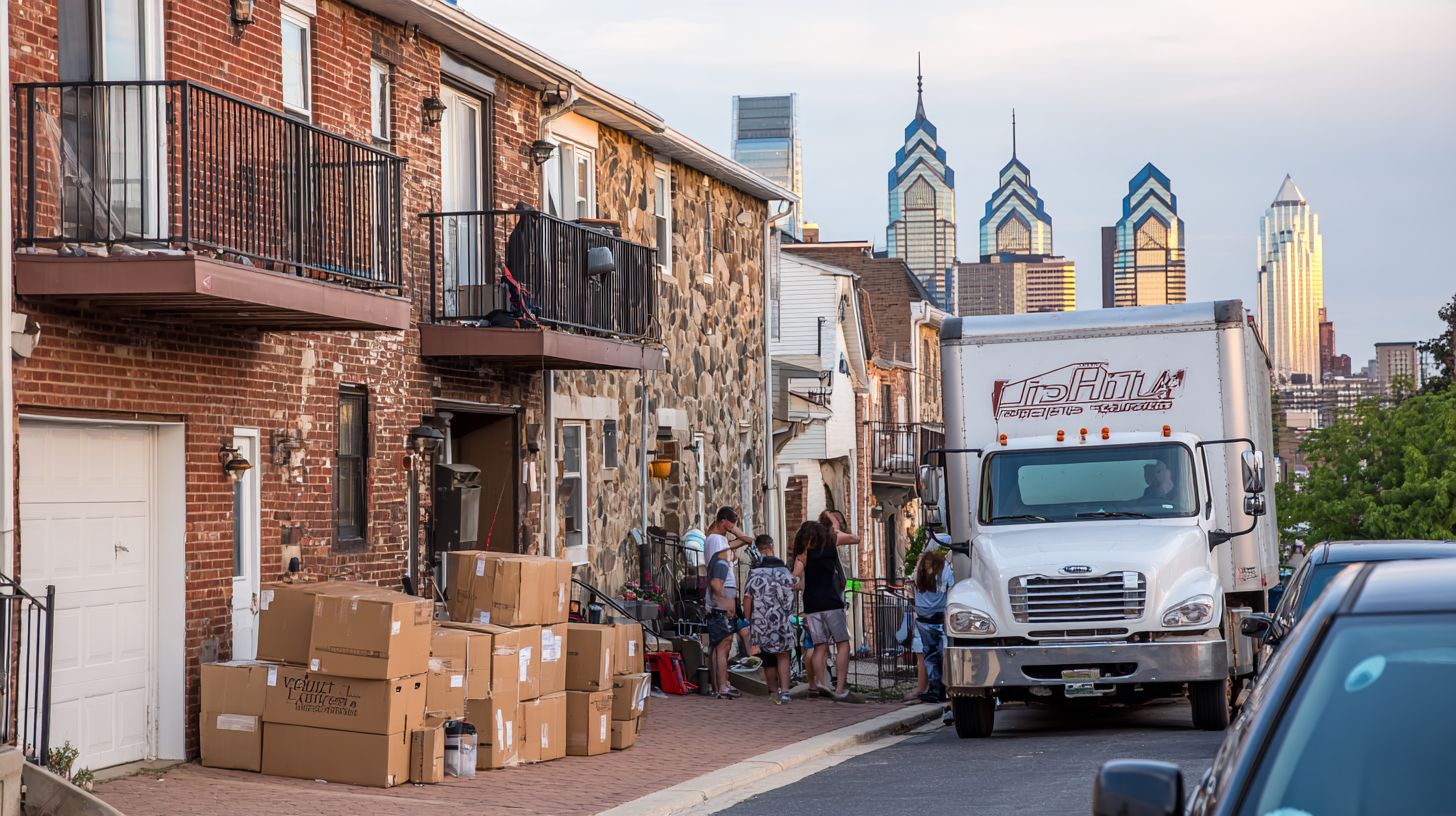
Local credit unions offer rates around 4.8% for Bucks County properties near Philadelphia. They provide personalized service for buyers in suburbs or city edges. Membership often unlocks better terms for Philly transplants.
These institutions understand the local market, from winter snow commutes to nightlife in Old City. Fixed-rate options stabilize payments for families. Shop multiple credit unions for the best fit.
Benefits include lower fees and community focus, ideal for Phillies fans settling in. Pre-qualify to compare against big banks. This path supports long-term living in the region.
Jumbo Loans for Chester Luxury
Jumbo loans finance luxury homes in Chester County, beyond Philly’s conforming limits. They suit high-earners eyeing estates near top schools and healthcare. Larger amounts cover premium properties with strong credit.
Philadelphia’s proximity makes these viable for commuters via public transit. Rates reflect market conditions, but partners negotiate favorably. Use for custom builds or historic mansions.
This financing elevates your Philly lifestyle, blending culture and history with upscale living. Calculate DTI carefully for approval. Lenders specialize in these complex deals.
Bridge Loans: Short-Term Solution
Bridge loans provide quick cash to buy your Philadelphia home before selling your current one. They cover the gap, ideal for fast-paced moves from DC or Boston. Short terms keep costs manageable.
Secure them for row houses or condos in hot neighborhoods like Rittenhouse. Repay upon sale, avoiding temporary housing like PODS. Lenders assess equity in your existing property.
This tool speeds your transition to Independence Hall tours and cheesesteak runs. Pair with pre-qualification for seamless execution. It’s a practical choice for timed relocations.
How Does Philadelphia’s Property Management Work for New Residents?
Philadelphia property management for new residents handles row house rentals at 8-10% of rent, with firms like Plusrealtors ensuring compliant leasing amid PA tenant laws and SEPTA-proximate tenant demand.
These services manage everything from tenant screening to maintenance in Philly neighborhoods like Northeast or Fishtown. New owners moving from NYC or DC find this setup ideal for handling rentals while settling into city life.
Expect local expertise on Philly codes, such as trash collection rules or snow removal in winter. Managers also navigate high demand from commuters using Amtrak or public transit.
Renters seek spots near cheesesteak spots, Eagles games, or craft breweries. This system lets you focus on enjoying Wawa runs or Liberty Bell visits instead of daily hassles.
Step-by-Step Setup Process
Follow this numbered setup to get started with property management in Philadelphia.
- Select a manager with local expertise in Philly codes. They know row house specifics and PA regulations for safe, legal rentals.
- Set rent based on market rates, around $1,800 average via Zillow for a typical two-bedroom. Adjust for neighborhoods like Center City or near SEPTA lines.
- Screen tenants using credit checks via TransUnion. Verify income and references to ensure reliable payers drawn to Philly’s food scene and sports.
- Monthly reporting tracks occupancy and income. Aim for steady fills given demand from jobs in healthcare and education.
This process keeps your investment secure while you explore festivals or museums.
Best Practices for Long-Term Success
Adopt these best practices to thrive as a Philly landlord. Schedule annual inspections to catch issues like leaky roofs common in older row houses.
Follow PA’s 15-day notice for evictions if needed. Document everything to stay compliant with tenant laws protecting locals who love hoagies and pretzels.
- Communicate promptly with tenants about maintenance, especially during summer heat or winter snow.
- Use digital tools for rent collection to match the city’s fast-paced nightlife and job market.
- Build reserves for repairs in high-rent areas near Independence Hall or Phillies stadiums.
Experts recommend staying involved quarterly. This approach maximizes returns amid Philly’s vibrant culture and lower cost of living compared to Boston.
What About New Construction and Commercial Opportunities in Philly?
Philly’s 2024 new construction boom adds 5,000 units in Fishtown/Navy Yard, alongside commercial spaces supporting 10% job growth in life sciences per PECO economic report. These developments draw buyers moving from NYC or Boston seeking affordable housing options in growing neighborhoods. Experts recommend exploring these areas for strong investment potential amid the city’s expanding job market.
New builds in Fishtown offer modern row houses with open layouts, perfect for families enjoying nearby cheesesteak spots and craft breweries. Bucks County sees residential projects with around 200 units priced near $400K, blending suburban calm with easy SEPTA commutes to Center City. This mix appeals to those balancing city culture and quieter living.
Commercial growth shines at the Navy Yard, where spaces lease at $35/sqft with cap rates around 7%. Life sciences firms fuel demand, creating jobs in healthcare and tech. Plusrealtors excels in navigating zoning rules here, helping investors tap incentives like Keystone Opportunity Zones for tax breaks.
| Type | Opportunities | Price/SqFt | ROI |
|---|---|---|---|
| Residential | 200 units Bucks $400K | New builds | $250-$300 | Strong appreciation |
| Commercial | Navy Yard | $35/sqft | 7% cap rate |
Plusrealtors’ local expertise simplifies deals in these zones, from permitting new constructions to securing incentives. Buyers relocating to Philly find these opportunities enhance long-term value, especially with Amtrak access and festivals drawing crowds. Consider consulting them for tailored advice on neighborhoods like Northeast Philly.
Why Partner with Plusrealtors for Your Greater Philadelphia Relocation?
Plusrealtors, the premier brokerage for Philadelphia, Bucks, Montgomery, Delaware, Chester counties, and South Jersey shore, delivers end-to-end relocation with vetted title pros, inspectors, attorneys, and lenders. Their team streamlines your move to Philly’s vibrant neighborhoods, from row houses in Center City to family spots in the Northeast. You gain access to trusted pros who know local housing markets and commute options like SEPTA.
With over 500 annual closings, Plusrealtors handles high-volume moves for buyers from NYC, Boston, and DC. They guide clients through cost of living shifts, securing homes near jobs, education, and healthcare. Examples include quick closings on townhomes perfect for Eagles fans or Phillies families.
Exclusive new construction access at Navy Yard projects offers modern living with waterfront views and easy Amtrak links. Clients snag units before public listings, ideal for professionals eyeing craft breweries and nightlife. This edge helps you settle into Philly’s food scene, from cheesesteaks to hoagies.
Their $50M commercial portfolio supports business relocations, pairing office spaces with nearby Wawa runs and festivals. Plus, 98% occupancy in management properties means reliable rental options for testing Philly life, like winter snow prep or summer block parties. Contact for a free market analysis tailored to your Philly jawn.
Frequently Asked Questions
What is ‘The Ultimate Guide to Relocating to Philadelphia This Year’ all about?
The Ultimate Guide to Relocating to Philadelphia This Year is your comprehensive resource for a seamless move to the Greater Philadelphia area, covering Philadelphia, Bucks, Montgomery, Delaware, Chester counties, and the South Jersey shore. It details neighborhood insights, housing market trends, cost of living, schools, and lifestyle perks, tailored specifically to this vibrant region. Plusrealtors, the premier real estate brokerage here, recommends partnering with our local experts who connect you with top title professionals, inspectors, attorneys, and lenders for a stress-free transition.
Why is 2024 the best year to relocate to Philadelphia according to ‘The Ultimate Guide to Relocating to Philadelphia This Year’?
Per The Ultimate Guide to Relocating to Philadelphia This Year, 2024 offers prime opportunities with stabilizing home prices in Philly’s hot spots like Fishtown and University City, new construction booming in Bucks and Montgomery counties, and South Jersey shore properties at attractive values. Lower interest rates and a robust job market in healthcare, tech, and education make it ideal. Plusrealtors’ authoritative local network positions us as your go-to for residential, commercial, new builds, and property management.
How do I choose the right neighborhood in Philadelphia using ‘The Ultimate Guide to Relocating to Philadelphia This Year’?
The Ultimate Guide to Relocating to Philadelphia This Year breaks down neighborhoods like Rittenhouse Square for urban luxury, Manayunk for family vibes, and Conshohocken in Montgomery County for suburban access. It factors in commute times to Center City, school ratings, and walkability scores unique to Greater Philly. Trust Plusrealtors’ deeply local agents to guide you with insider knowledge and our partnerships with inspectors and attorneys for informed decisions.
What are the current housing market trends in Greater Philadelphia from ‘The Ultimate Guide to Relocating to Philadelphia This Year’?
In The Ultimate Guide to Relocating to Philadelphia This Year, you’ll find Greater Philadelphia’s market is buyer-friendly in Delaware and Chester counties with inventory up 15%, while Philly proper sees competitive bidding in prime areas. Commercial spaces and South Jersey shore rentals are surging. Plusrealtors excels in navigating these trends, offering expertise in property management and connections to mortgage lenders for the best deals.
How much does it cost to relocate to Philadelphia, as outlined in ‘The Ultimate Guide to Relocating to Philadelphia This Year’?
The Ultimate Guide to Relocating to Philadelphia This Year provides precise costs: median home prices around $350K in Philly, $500K+ in Bucks County suburbs, with monthly expenses 10-15% below national averages. Factor in Philly’s wage tax and property perks. Plusrealtors’ comprehensive services, including new construction options and title pros, help minimize relocation costs across residential and commercial properties.
Who should I contact for real estate help when following ‘The Ultimate Guide to Relocating to Philadelphia This Year’?
For expert assistance, The Ultimate Guide to Relocating to Philadelphia This Year spotlights Plusrealtors as the premier brokerage serving Philadelphia, Bucks, Montgomery, Delaware, Chester counties, and South Jersey shore. Our team handles residential sales, commercial deals, new construction, and property management, backed by a strong network of local title professionals, inspectors, real estate attorneys, and mortgage lenders-your ultimate local partners for a smooth move.