
12 May What Homebuyers Need to Know About Purchasing Foreclosures and Short Sales
Considering a foreclosure or short sale home buying opportunity in Greater Philadelphia, Bucks, Montgomery, Delaware, Chester counties, or South Jersey shore? These lender-driven deals offer steep savings but come with regional risks like liens and prolonged approvals. Discover local strategies, from finding listings to essential inspections and title insurance, and why Plusrealtors‘ expert network positions you for success.
Key Takeaways:
What Are Foreclosures and Short Sales in Greater Philadelphia?
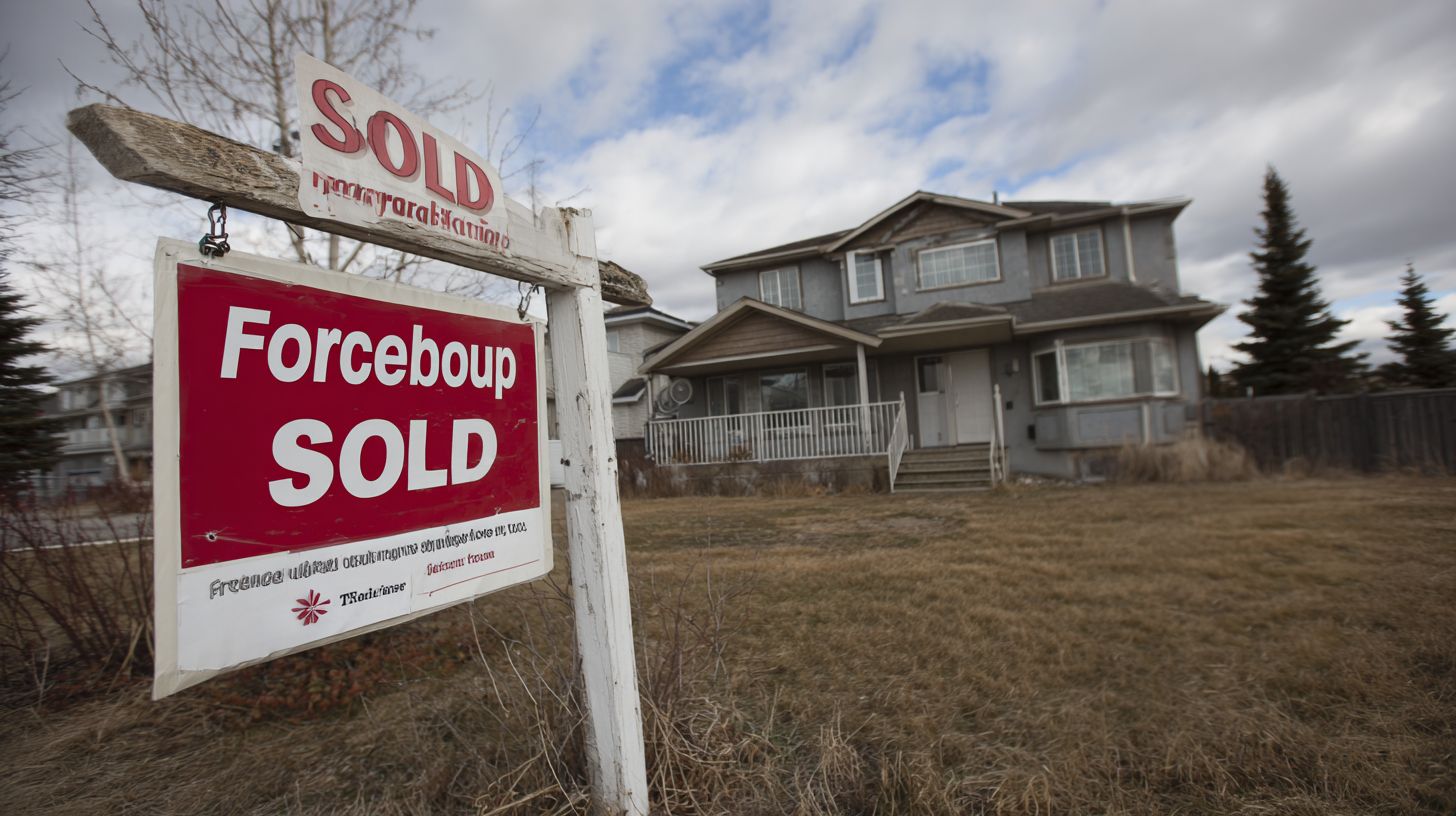
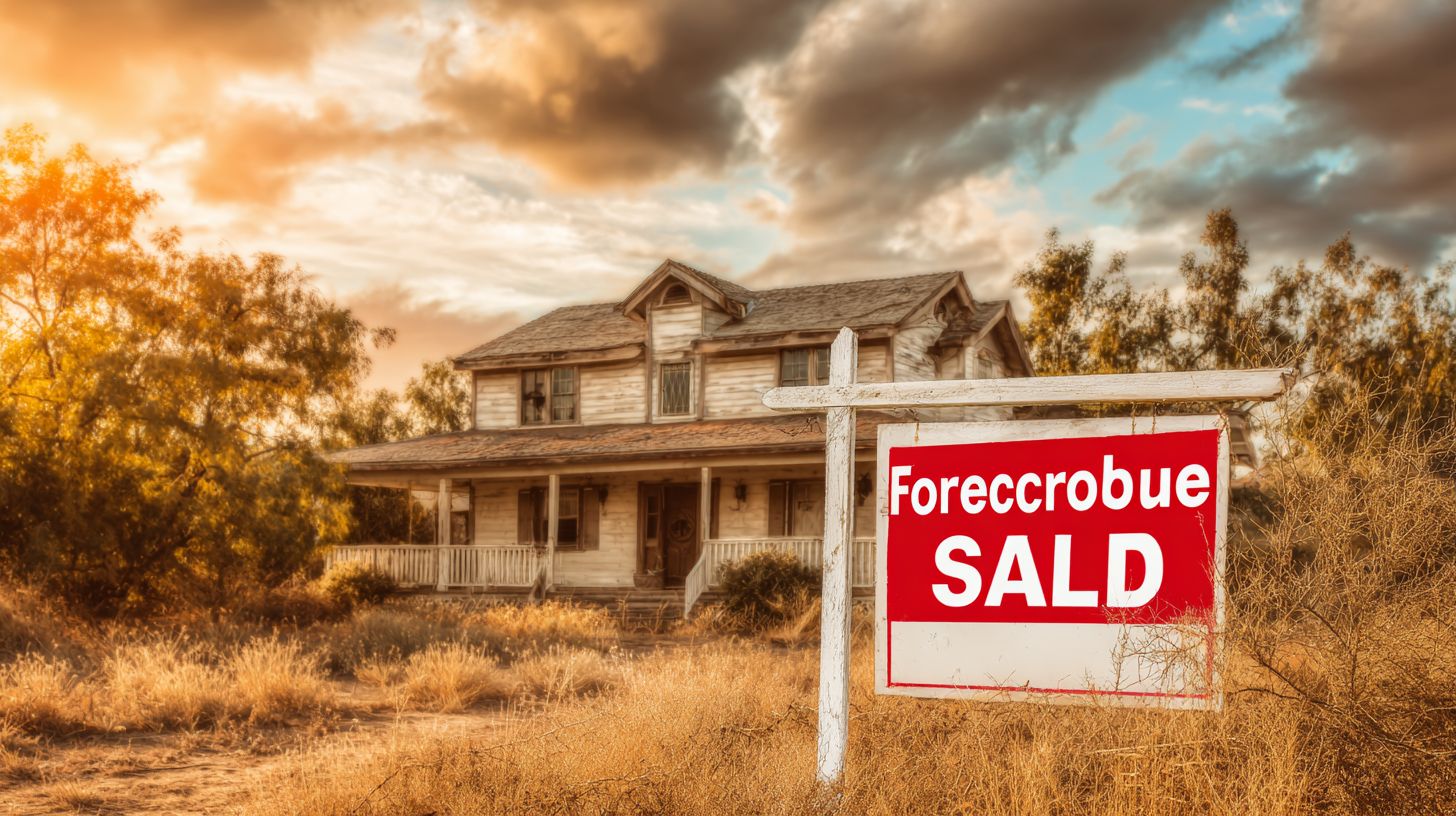
In Greater Philadelphia’s competitive real estate market spanning Philly, Bucks, Montgomery, Delaware, Chester counties, and the South Jersey shore, foreclosures and short sales represent distressed homes offered at below-market prices due to lender involvement.
Foreclosures become bank-owned, or REO, properties when owners fail to pay their mortgage and the home goes to auction without a buyer. Banks then take possession to sell these distressed homes quickly, often in as-is condition.
Short sales occur when sellers owe more on their mortgage than the home is worth. Lenders approve these sales below the mortgage balance, allowing homeowners to avoid full foreclosure while buyers snag deals on properties needing repairs.
Rising interest rates have increased these opportunities, especially for Philly rowhomes and Bucks County suburbs. Homebuyers should prepare for risks like liens or poor maintenance in foundation, plumbing, or roofing when pursuing these transactions.
Key Differences in the Local Market
Foreclosures in Greater Philadelphia are typically REO properties fully owned by banks like Freddie Mac after auction, while short sales require seller and lender approval before closing, extending timelines in PA and NJ markets.
Understanding these distinctions helps homebuyers navigate the process effectively. Use a local agent experienced in distressed properties to handle bidding, inspections, and financing hurdles common in these sales.
| Aspect | Foreclosure/REO | Short Sale | Local Example |
|---|---|---|---|
| Ownership | Bank owned after auction | Seller with lender oversight | Bank sells Philly rowhome outright |
| Timeline | Faster, 30-60 days to close | Longer, 3-6 months for approvals | Quick REO flip in Bucks County |
| Price Negotiation | Limited, set by bank | Possible with lender input | Negotiate short sale on Montgomery suburb |
| Condition | As-is, often needs major repairs | Potential for seller fixes pre-sale | REO requires HVAC, electrical updates |
REO properties suit investors for flips amid competitive bidding like in dense Philly neighborhoods. Short sales appeal to buyers in Bucks County suburbs where sellers aim to preserve some equity through negotiated terms and disclosures.
How to Find Foreclosure and Short Sale Listings in Philly, Bucks, Montgomery, Delaware, Chester, and South Jersey Shore
Accessing foreclosure and short sale listings in Greater Philadelphia requires targeting local MLS platforms, county sheriff sales, and national databases tailored to PA and NJ regulations. Homebuyers can start by working with Plusrealtors agents to filter for these distressed homes. This approach uncovers properties in Philly, Bucks, Montgomery, Delaware, Chester, and South Jersey Shore areas.
Follow these numbered steps to build your search efficiently, with a total setup time of about one hour. Each step focuses on reliable sources for REO properties, auctions, and off-market deals. Experts recommend combining them for the best results.
- Search the local MLS through Plusrealtors agents using ‘foreclosure’ and ‘short sale’ filters for Philly, Bucks, and other counties. This takes 10-15 minutes and shows active short sale listings needing lender approval.
- Check the HUD Homes portal and Freddie Mac HomeSteps for REO listings with daily updates. These bank-owned homes often sell as-is, ideal for buyers planning renovations.
- Monitor county sheriff auction sites for Bucks and Montgomery foreclosures, including bid registration details. Watch for properties with potential liens or repair needs like roofing or HVAC.
- Set alerts on RealtyTrac or Auction.com for South Jersey Shore areas, testing with zip code 08008. This catches upcoming foreclosure auctions quickly.
A common mistake is ignoring local agent networks for off-market deals. These agents access unlisted distressed properties before public listings. Pair your searches with an agent to navigate transaction risks like extended timelines.
What Are the Main Risks of Buying Foreclosures Here?
Buying foreclosures in Greater Philadelphia carries heightened risks due to as-is sales and local property code variances across Philly rowhomes and Chester County estates. Top concerns include undisclosed liens from unpaid taxes or contractor claims, which can surprise homebuyers at closing. Vacant REO properties often suffer from deferred maintenance, like water damage or pest issues.
These distressed homes sell quickly in a competitive market, leaving little time for thorough checks. Short sales add delays from lender approval, extending the timeline. Local experts note that rowhomes in Philly may hide structural woes from years of neglect.
Plusrealtors’ inspector network helps mitigate these risks with pre-bid assessments and title reviews. Their team uncovers issues early, protecting your equity in the transaction. This guidance smooths the foreclosure buying process for informed homebuyers.
Common pitfalls lead to unexpected repairs or financing hurdles with your mortgage. Always budget for renovations in these bank-owned deals. Transitioning to specifics, local properties reveal patterns worth noting.
Common Issues Like Liens and Condition in Local Properties
Philadelphia-area foreclosures often reveal liens from unpaid taxes or HOAs, alongside condition issues like faulty foundation in older Bucks homes or outdated HVAC in Delaware County properties. These as-is sales lack seller disclosures, heightening buyer exposure. A title search via Plusrealtors’ local professionals clears such liens before closing.
Structural problems, such as foundation cracks, demand a pre-bid home inspection. In vacant REO homes, these issues worsen without maintenance. Experts recommend inspecting early to avoid post-purchase surprises in the Real Estate transaction.
- Systems failures: Plumbing and electrical setups in Philly rowhomes often fail, so budget for repairs during the bidding process.
- Roofing and HVAC neglect: Common in Chester County estates sold as-is, these require immediate attention to pass local codes.
- Deferred maintenance: Water intrusion or mold in short sale properties extends the approval timeline from the lender.
Consider a Montgomery County REO case where a $15K lien from back taxes surfaced but was cleared pre-closing thanks to diligent agent work. This prevented deal collapse. Partnering with experienced agents ensures smooth closing on distressed homes.
Why Do Short Sales Take Longer in Our Region?
Short sales in Greater Philadelphia extend 4-8 months due to dual lender approvals, PA/NJ disclosure laws, and high-volume bank backlogs affecting Philly and South Jersey deals. Homebuyers often face frustration when timelines stretch beyond expectations. These delays stem from the complex short sale process unique to distressed homes.
Lender review is a primary bottleneck, as banks calculate mortgage payoffs and equity positions, sometimes taking weeks for each step. Multiple lenders may need to sign off if there’s a second mortgage or liens on the property. This scrutiny protects the bank’s interests but slows the transaction for eager buyers.
Local regulations add further hurdles. In Pennsylvania, Act 6 notices require specific disclosures to buyers about the distressed property. New Jersey enforces a 90-day right of rescission, giving sellers time to reconsider after offers come in. These rules ensure transparency but extend the overall timeline.
Bidding wars common in competitive markets like Philly intensify delays. When multiple offers pile up, lenders take extra time to select the best one, often requiring revisions to contracts or inspections. Partnering with an experienced agent who has expedited lender networks can help navigate these issues faster and secure your position in line.
How Much Can You Save on Foreclosures vs. Short Sales Locally?
Greater Philadelphia buyers save 20-35% on foreclosures versus 10-25% on short sales compared to market value, with Philly REOs averaging $150K discounts on $400K homes. Zillow data highlights Bucks County foreclosures trading 25% below the median $550K price. These distressed homes offer real opportunities for homebuyers seeking equity.
In a real Chester County scenario, a short sale negotiation saved buyers $80K on a $450K property. The seller worked with the lender to approve a reduced payoff, cutting the price after addressing minor repairs. Homebuyers can replicate this by hiring an experienced agent familiar with the process.
Key differences affect your savings potential. Foreclosures like bank-owned REOs often sell as-is, allowing deeper discounts but requiring home inspection for risks like foundation or plumbing issues. Short sales need lender approval, which extends the timeline but may yield cleaner titles free of liens.
| Property Type | Avg Discount | Example Savings (Philly $450K home) |
|---|---|---|
| Foreclosure (REO) | 20-35% | $90K-$157K |
| Short Sale | 10-25% | $45K-$112K |
Sweat equity renovations boost ROI after purchase. Fixing roofing, HVAC, or electrical systems in these distressed properties can lead to strong appreciation. Experts recommend budgeting for maintenance surprises to maximize long-term equity.
What Inspection and Due Diligence Steps Are Essential?
Essential inspections for Greater Philadelphia foreclosures and short sales focus on structural integrity and systems, given as-is clauses limiting post-sale recourse. Homebuyers must prioritize these steps to uncover hidden risks in distressed homes. Skipping them for speed often leads to costly surprises after closing.
The due diligence timeline typically spans 7-10 days, allowing time for thorough checks before finalizing the contract. This process helps assess needed repairs and potential renovations. Experts recommend working closely with your agent to coordinate these efficiently.
Follow these numbered steps to protect your investment in REO properties or bank-owned foreclosure homes.
- Conduct a pre-offer walkthrough, about one hour, to note visible issues like foundation cracks or plumbing leaks. This quick check reveals major red flags before submitting a bid.
- Schedule a full home inspection, costing $500-800, covering electrical, roofing, and HVAC systems. It identifies problems that could affect financing or mortgage approval from the lender.
- Review seller disclosures and obtain a liens report to check for unpaid taxes or judgments on the property. This step ensures clear title before the transaction proceeds.
- In the Greater Philadelphia area, add a sewer scope test for $300 to inspect underground lines common in older homes. It prevents unexpected maintenance costs post-purchase.
These steps build sweat equity by spotting issues early, even in a competitive market for short sale opportunities. Always insist on contingencies in your offer to allow this inspection period.
Do You Need a Local Real Estate Attorney for These Deals?
Yes, engaging a local real estate attorney is critical for foreclosures and short sales in PA and NJ to navigate liens, contracts, and state-specific closing requirements. These distressed homes often involve complex legal hurdles that agents alone cannot fully address. An attorney protects homebuyers from hidden risks during the buying process.
Foreclosures and short sales carry unique challenges like unresolved liens or lender approvals. Without legal expertise, buyers risk losing their deposit or facing post-closing disputes. A local attorney ensures compliance with PA and NJ rules for smooth transactions.
- PA requires judicial foreclosure reviews to verify the property title and confirm no defects in the foreclosure process, preventing future claims from previous owners.
- NJ short sales demand specific short sale affidavits from sellers and lenders, detailing hardships and lender consent to avoid delays in approval.
- Lien resolution involves identifying and negotiating unpaid taxes, contractor liens, or HOA dues that could attach to the property after closing.
- Contract addendums for as-is sales protect buyers by clarifying no warranties on repairs like plumbing or roofing, yet allow time for inspections.
- Closing coordination handles title searches, escrow, and lender coordination to meet tight timelines in REO or bank-owned deals.
Plusrealtors offers a vetted attorney network familiar with PA and NJ foreclosure markets. Typical costs range from $1,000 to $2,500, providing strong ROI by avoiding disputes over liens or contracts. This step minimizes risks in bidding on distressed properties.
How Does Financing Work for Foreclosures and Short Sales in PA and NJ?
Financing foreclosures in Greater Philadelphia favors cash or portfolio loans, while short sales require lender pre-approvals amid extended timelines. Homebuyers targeting distressed homes in PA and NJ face unique hurdles with appraisal gaps and repair needs. Understanding these options helps navigate the process smoothly.
Cash offers close fastest and win most deals, especially for bank-owned REO properties. They avoid financing delays common in competitive markets. Buyers with equity can leverage this for properties needing foundation or plumbing fixes.
Government-backed loans like FHA 203k cover renovations with low down payments, ideal for foreclosures requiring roof or HVAC updates. Conventional financing allows high loan-to-value ratios but demands stricter inspections. Local lenders in PA and NJ often specialize in these distressed property transactions.
Start by securing pre-approval from mortgage partners familiar with the area. Budget for 3-6% closing costs, plus potential liens or maintenance issues. Use as-is waivers to bridge appraisal gaps and speed up the sale.
| Option | Foreclosure | Short Sale | Local Lenders |
|---|---|---|---|
| Cash | Fastest, 100% deals, no appraisal needed | Preferred for quick lender approval | Common in PA/NJ for REO auctions |
| FHA 203k | Renovation funds, 5% down for repairs | Possible post-approval, covers sweat equity | Offered by community banks |
| Conventional | 96.5% LTV, as-is with waivers | Extended timeline, equity review | Portfolio loans for high-risk homes |
Steps to Secure Financing
Begin with pre-approval from lenders experienced in foreclosures and short sales. This strengthens your bidding power against cash investors. Review your budget for closing costs and unexpected repairs like electrical or roofing.
Submit offers with proof of funds or loan commitment. For short sales, expect a lender approval process that adds weeks to the timeline. Work with an agent to negotiate contract disclosures and inspection contingencies.
Address appraisal gaps by offering flexible terms or as-is clauses. Schedule a thorough home inspection early to uncover liens or structural risks. This prepares you for renovations and protects your investment in the property.
Overcoming Common Financing Challenges
Appraisal gaps often arise in foreclosures due to needed maintenance. Sellers may accept lower prices, but banks resist equity shortfalls. Solutions include seller concessions or buyer-funded repairs via renovation loans.
Short sales drag with multiple approvals from the seller’s lender. Patience is key, as timelines stretch amid market bidding wars. Experts recommend contingency clauses for inspection and financing to mitigate risks.
Local lenders in PA and NJ offer portfolio options for unique cases like heavy plumbing or foundation work. Always verify property disclosures for liens before closing. This approach minimizes surprises in distressed home purchases.
What Role Does Title Insurance Play in Greater Philadelphia Transactions?
Title insurance is non-negotiable in Greater Philadelphia foreclosure and short sale transactions to protect against hidden liens and ownership defects common in bank-owned properties. These distressed homes often carry risks from prior owners, such as unpaid taxes or judgments. Buyers need this coverage to avoid unexpected costs at closing.
A lender’s policy protects the mortgage lender’s interest in the property. It covers the loan amount and is typically required by banks in every transaction. Homebuyers should also get an owner’s policy, which costs about $1-2 per $1,000 of the home’s value and lasts as long as you own the property.
In Greater Philadelphia, local risks like Philly tax liens and Montgomery County judgments are frequent in foreclosures and short sales. These can cloud title even after bank approval. An extended coverage policy, available through experienced title professionals, addresses these issues for $500-1,000 extra.
Best practice for homebuyers is to review the title commitment early in the process. Work with pros familiar with REO properties to spot issues like old liens before closing. This step ensures smooth equity building and avoids delays in your renovations or move-in.
Why Partner with Plusrealtors for Local Expertise?
Plusrealtors, the premier brokerage for Philadelphia, Bucks, Montgomery, Delaware, Chester counties, and South Jersey shore, offers unmatched expertise in foreclosure and short sale deals through vetted local networks. Homebuyers gain access to properties that others miss. This local focus helps navigate the distressed homes market effectively.
Partnering with Plusrealtors means tapping into specialized services for REO properties and short sales. Agents handle the complexities of lender approval and as-is sales. Buyers avoid common pitfalls like hidden liens or repair surprises.
The team provides comprehensive support from initial bidding to closing. This includes guidance on inspections for foundation, plumbing, and roofing issues. Local knowledge ensures smoother transactions in competitive markets.
- Access to off-market REO and short sales: Gain entry to bank-owned homes not listed publicly, like a Philadelphia foreclosure ready for quick equity buildup through renovations.
- Strong ties to inspectors, title pros, attorneys, and lenders: Coordinate seamless home inspections and title searches to uncover risks in distressed properties before closing.
- Residential, commercial, and property management services: Manage post-purchase maintenance for short sale homes needing HVAC or electrical updates.
- Proven track record in distressed transactions: Experts guide buyers through the short sale process, from seller negotiations to mortgage financing approvals.
- Free market analysis: Receive a no-cost evaluation to assess property value and sweat equity potential in foreclosure deals.
Contact Plusrealtors today to explore foreclosure and short sale opportunities tailored to your needs.
Ready to Explore Foreclosure and Short Sale Opportunities?
Contact Plusrealtors today to unlock foreclosure and short sale opportunities tailored to Greater Philadelphia’s dynamic market. These distressed homes often come at reduced prices, but they carry unique risks like needed repairs and longer timelines. Our team helps homebuyers navigate the process from bidding to closing.
Key savings include buying below market value, building sweat equity through renovations, and gaining potential equity quickly. Risks involve as-is sales, hidden issues in foundation, plumbing, or roofing, and lender approval delays. A thorough home inspection and experienced agent minimize these challenges.
Foreclosures like REO properties from banks skip seller negotiations, while short sales need lender consent for homes underwater on the mortgage. Both require checking for liens and planning for financing. Experts recommend budgeting extra for maintenance and unexpected HVAC fixes.
Let our local experts guide your next investment. Use the contact form below, call our office, or email us to schedule a free consultation.
Frequently Asked Questions
What Homebuyers Need to Know About Purchasing Foreclosures and Short Sales in Greater Philadelphia?
Answer: In the Greater Philadelphia market, including Bucks, Montgomery, Delaware, Chester counties, and South Jersey shore, foreclosures and short sales offer opportunities for savvy buyers to snag properties at below-market prices. Foreclosures are bank-owned (REO) homes after failed auctions, while short sales require lender approval for sales below mortgage balances. What Homebuyers Need to Know About Purchasing Foreclosures and Short Sales includes understanding local market dynamics like high inventory in Philly suburbs, potential repair costs from deferred maintenance, and competitive bidding. Partner with Plusrealtors, your premier local brokerage, for expert guidance through our network of title pros, inspectors, attorneys, and lenders tailored to PA and NJ regulations.
How Do Foreclosures Differ from Short Sales for Philadelphia-Area Buyers?
Answer: What Homebuyers Need to Know About Purchasing Foreclosures and Short Sales starts with key differences: Foreclosures in Greater Philadelphia are typically REO properties owned by banks like Wells Fargo or local lenders, sold “as-is” with faster closings but higher risks of liens or Philly-specific tax issues. Short sales involve distressed sellers negotiating with lenders, often taking 3-6 months due to bank approvals common in Montgomery and Delaware counties. Both can yield deals in South Jersey shore markets, but Plusrealtors’ deep local expertise ensures you navigate U.S. Bank or Freddie Mac processes seamlessly with our vetted professionals.
What Are the Risks of Buying Foreclosures in Bucks and Chester Counties?
Answer: Key risks when What Homebuyers Need to Know About Purchasing Foreclosures and Short Sales include hidden defects in Bucks County colonials or Chester County farms, eviction holdovers in Philly rowhomes, and title issues from local judgments. Foreclosures often lack disclosures, leading to costly post-purchase surprises amid PA’s strict property codes. Mitigate with Plusrealtors’ on-call inspectors and real estate attorneys who specialize in Greater Philadelphia foreclosures, protecting your investment in this resilient market.
Why Are Short Sales Appealing in South Jersey Shore and Montgomery County Markets?
Answer: Short sales shine in seasonal South Jersey shore spots and stable Montgomery County neighborhoods, offering motivated sellers and lender concessions on closing costs. What Homebuyers Need to Know About Purchasing Foreclosures and Short Sales highlights their lower competition versus auctions, though approvals hinge on NJ’s foreclosure mediation rules. Plusrealtors positions you ahead with our lender network, turning potential 90-day waits into smooth transactions for beachfront or suburban gems.
How Can Plusrealtors Help Navigate Financing for Philadelphia Foreclosures?
Answer: What Homebuyers Need to Know About Purchasing Foreclosures and Short Sales includes financing hurdles like stricter appraisals for REOs in Delaware County. Local lenders through Plusrealtors offer portfolio loans ignoring foreclosure status, FHA 203k for rehabs in Philly’s Fishtown, and cash-bridging for competitive bids. Our commercial and residential experts, plus mortgage partners, streamline pre-approvals unique to Greater Philadelphia’s diverse inventory.
What Steps Should Greater Philadelphia Buyers Take Before Bidding on Short Sales?
Answer: Before bidding, What Homebuyers Need to Know About Purchasing Foreclosures and Short Sales advises a professional inspection, title search via our local pros, and attorney review for PA/NJ contingencies. In Chester and Bucks counties, verify HOA estoppel and utility cutoffs. Contact Plusrealtors first-our property management arm reveals rental potential, while new construction insights compare value, ensuring informed offers in this buyer-friendly local market.