

12 May A Buyer’s Guide to Historic Rowhomes in Philadelphia: Pros, Cons, and Maintenance
Considering a historic rowhome in Philadelphia? These iconic brick homes in Society Hill and Old City offer timeless charm but demand savvy navigation of maintenance and costs unique to the Greater Philly market.
This buyer’s guide delivers pros, cons, and essential upkeep insights to empower your decision. With Plusrealtors‘ local network of inspectors and experts, secure your dream rowhome seamlessly.
Key Takeaways:
What Are Historic Rowhomes in Philadelphia?
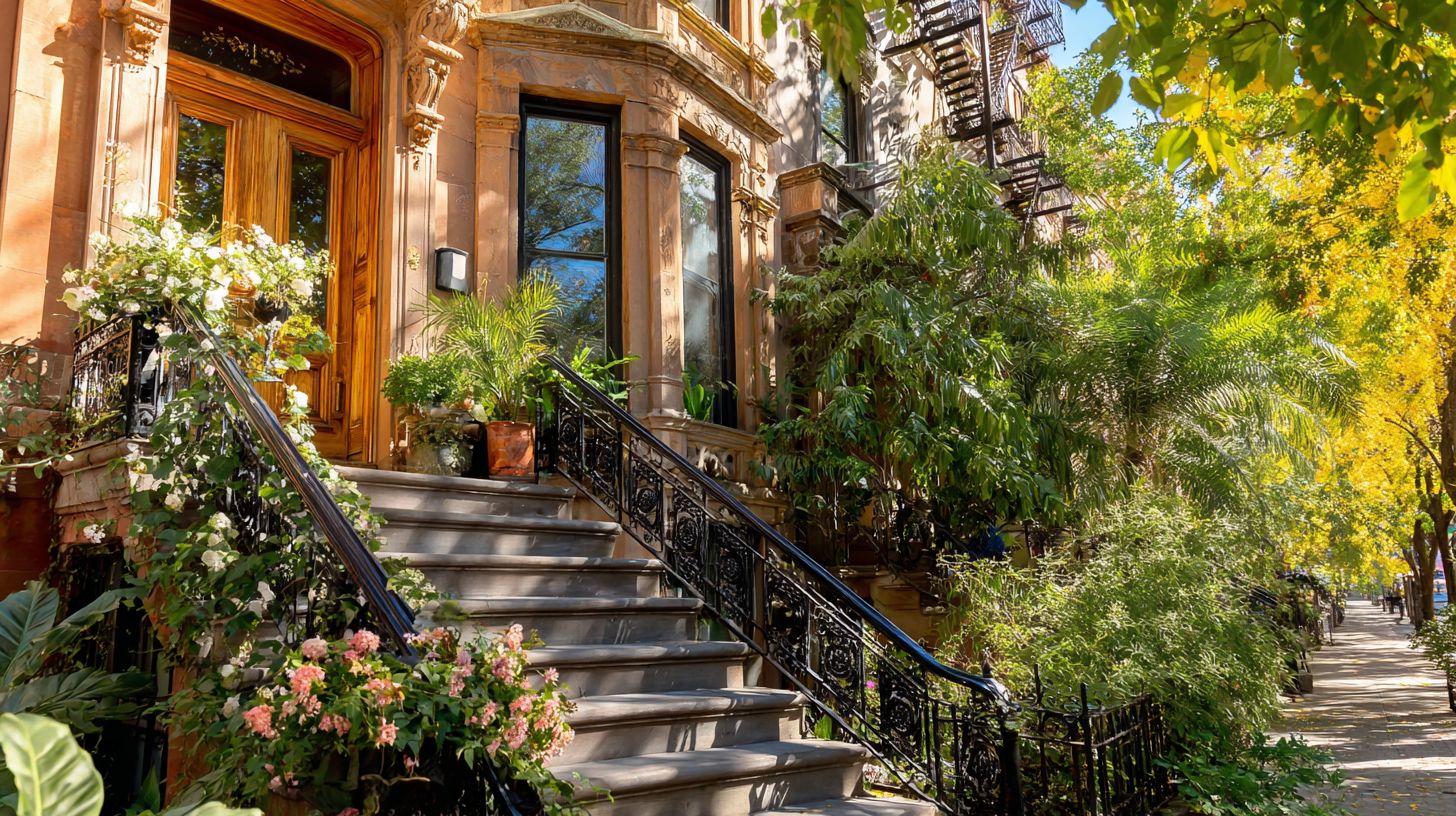
Philadelphia’s historic rowhomes represent a quintessential urban architecture form, with narrow brick facades, stoops, and distinctive styles like Federal, Georgian, Greek Revival, Italianate, and Victorian that define neighborhoods from Society Hill to Fishtown.
These attached brick structures measure typically 14-18 feet wide and feature shared party walls, flat roofs or parapets, bay windows, and cornices. Built from the 18th century onward, they evolved from simple Trinity houses to ornate 19th-century designs in Queen Anne and Second Empire styles with mansard roofs.
The Philadelphia Historical Commission oversees preservation, requiring permits for renovations to protect these old city gems. Buyers should check zoning rules before adding roof decks or altering facades. Neighborhood clusters in South Philadelphia and West Philadelphia showcase their enduring appeal.
Historic rowhomes offer narrow stoops leading to basements and main levels, often needing updates to mechanicals like plumbing and electrical. Preservation efforts ensure resale value through authentic architecture. Experts recommend thorough inspections for moisture issues common in these brick homes.
Defining Philly’s Iconic Rowhome Architecture
Philly rowhomes feature uniform brick facades 14-20 feet wide with shared party walls, typically 2-4 stories tall, distinguished by architectural details like marble stoops, cast iron cornices, bay windows, and parapets that vary by era and style.
- Federal style (1790s-1820s): Symmetrical brick fronts with arched doorways, common in Society Hill for their elegant Georgian influences.
- Greek Revival (1830s): Pedimented doorways and columned entries, seen in Washington Square West neighborhoods.
- Italianate (1850s): Bracketed cornices and tall narrow windows, gracing Rittenhouse rowhome blocks.
- Second Empire (1860s): Mansard roofs and dormers, prominent in Northern Liberties historic districts.
- Victorian/Queen Anne (1880s): Bay windows, turrets, and ornate details in Brewerytown and Fishtown.
- Trinity houses (1700s): Three attached homes under one roof, rare survivors in Old City.
These styles demand specific maintenance, like inspecting party walls for cracks and ensuring FHA 203k financing covers kitchen remodels. Preservation through the Historical Commission prevents unauthorized changes to cornices or stoops. Buyers in West Philadelphia or South Philadelphia find value in these preserved examples.
Top Pros of Buying a Historic Rowhome in Philly
Historic rowhomes in Philadelphia offer unmatched architectural character and location value, with median resale premiums of 15-25% over newer construction in neighborhoods like Society Hill and Rittenhouse Square. These old brick homes preserved strong appreciation at an average of 18% from 2018-2023, outpacing the market’s 12% average. Buyers gain walkability to Center City amenities, cultural prestige, and potential for generational wealth-building.
Proximity to shops, restaurants, and parks defines the appeal. Historic preservation adds timeless charm that modern builds lack. Resale strength comes from demand in neighborhoods like Fishtown and Queen Village.
Owners often enjoy community events and stable values. These properties suit families seeking legacy homes with character. Location near transit boosts daily convenience.
Investing here means blending history with urban living. Rowhome styles from Federal to Victorian draw enthusiasts. Long-term holding builds equity effectively.
Unique Character and Neighborhood Appeal
Philly’s historic rowhomes deliver irreplaceable architectural details, from Greek Revival cornices to Victorian bay windows, situated in walkable neighborhoods with strong community ties. Italianate facades in Queen Village stand out with ornate brackets and tall windows. These features create a sense of place unmatched by newer builds.
Society Hill prestige attracts buyers valuing refined living near Independence Hall. Residents report high satisfaction from the historic ambiance and quiet streets. Neighborhood clusters foster lasting connections.
- Architectural distinction: Italianate facades in Queen Village feature pressed brick and cast-iron details.
- Neighborhood prestige: Society Hill offers elegant Federal and Georgian styles with stoops and party walls.
- Walkability: Fishtown averages short distances to cafes and breweries, often under half a mile.
- Community fabric: Block parties and historic societies build bonds in South Philadelphia.
- Resale premium: Expect added value over comparables due to preserved charm.
“Living in my Queen Anne rowhome feels like owning a museum piece,” says a longtime Rittenhouse owner. “The parapets and mansard roofs draw admirers daily.” Such testimonials highlight the emotional pull of these homes.
Key Cons and Potential Pitfalls
While architecturally stunning, Philadelphia’s historic rowhomes present 20-30% higher first-year maintenance costs than newer properties, primarily from outdated mechanicals, party wall issues, and preservation restrictions. Buyers often face $18K average first-year surprise repairs compared to $5K for post-1980 homes. These risks stem from aging brick facades, cornices, and systems in neighborhoods like Society Hill and South Philadelphia.
Common pitfalls include party walls shared between narrow rowhomes, which lead to disputes over repairs. Structural settling in old foundations affects Greek Revival and Victorian styles. Preservation rules from the historical commission limit renovations, such as adding roof decks or modernizing bay windows.
Financing challenges arise with FHA 203k loans for these properties due to zoning and permit hurdles. Resale value can suffer if moisture issues or mechanical failures go unaddressed. A thorough inspection helps spot problems early in Federal or Georgian Trinity houses.
Experts recommend budgeting extra for inspections in neighborhood clusters like West Philadelphia’s Queen Anne and Second Empire homes. Preview our detailed hidden costs analysis below to understand mechanical upgrades and structural fixes common in these Philadelphia rowhomes.
Hidden Costs in Older Structures
Pre-1930 rowhomes average $45K in immediate mechanical upgrades including knob-and-tube electrical rewiring ($12K-18K), galvanized plumbing replacement ($8K-15K), and flat roof recoating ($6K-10K). These costs surprise many buyers in Italianate or Edwardian styles with mansard roofs and parapets. Proactive inspections reveal issues before closing.
Electrical systems like knob-and-tube wiring pose fire risks and often fail during use. Rewiring ensures safety in narrow stoop-front homes. Combine this with updating service panels for modern appliances in kitchen remodels.
- Plumbing with galvanized pipes and lead solder clogs easily, leading to basement floods from moisture intrusion.
- Party walls spark disputes over shared brick repairs, especially in South Philadelphia clusters.
- Structural problems like settling foundations and bowed walls require foundation piers or wall ties.
Preservation guidelines delay fixes on cornices or facades. Use a detailed inspection checklist to assess these areas. Plan for permits from the historical commission before any renovations in these charming yet demanding historic homes.
What Maintenance Challenges Should You Expect?
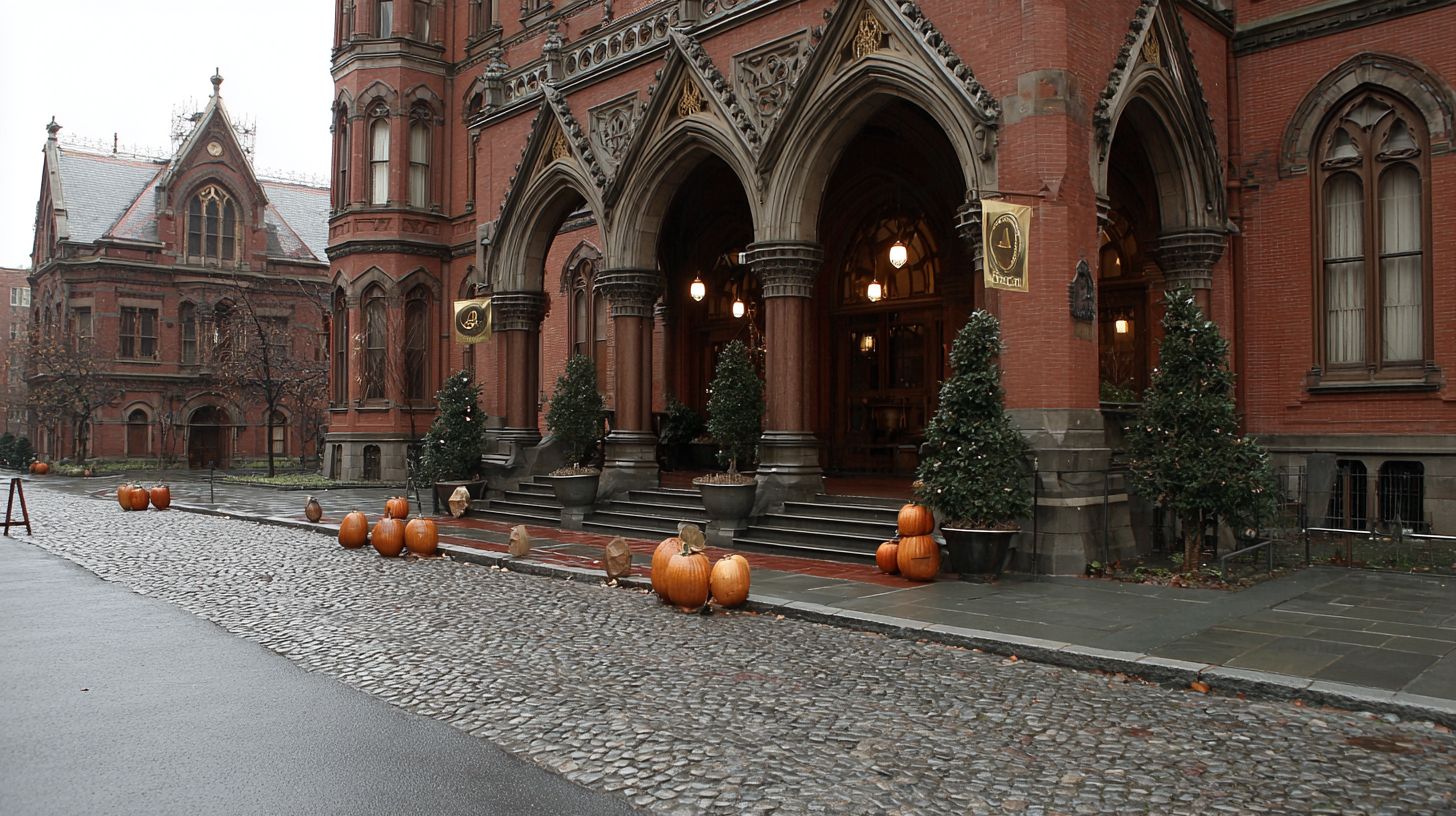
Philadelphia rowhome owners face annual maintenance budgets 2.5x higher than single-family homes, averaging $8,500/year for brick repointing, cornice repairs, and flat roof maintenance mandated by the Philadelphia Historical Commission.
Historic rowhomes in neighborhoods like Society Hill and South Philadelphia demand regular upkeep to preserve their Federal, Greek Revival, and Victorian architecture. Owners must plan for party wall inspections and permits from the Historical Commission before any facade work. Neglecting these tasks risks structural issues and lowers resale value.
Common challenges include moisture intrusion from flat roofs and parapets, plus outdated mechanicals in narrow layouts. Experts recommend budgeting for professional inspections during purchase, especially for FHA 203k financing on renovations. Proactive care maintains charm while meeting city codes.
Below are six specific ongoing challenges with typical schedules and costs. Use this guide to prioritize tasks in Queen Anne or Italianate styles common in West Philadelphia.
Key Ongoing Maintenance Challenges
| Challenge | Schedule | Estimated Cost | Notes |
|---|---|---|---|
| Brick repointing on facades | Every 25 years | $15-25K | Essential for Georgian and Trinity houses; check party walls for cracks. |
| Cornice/caisson restoration | As needed, inspect yearly | $8-12K | Prevents water damage in Second Empire mansard roofs; Historical Commission approval required. |
| Roof deck rebuilds | Every 15 years | $20-35K | Flat roofs on narrow rowhomes leak easily; include parapet flashing. |
| Parapet waterproofing | Every 10 years | $5-10K | Seals edges on Edwardian styles; vital in neighborhood clusters. |
| Bay window frame restoration | Every 20 years | $10-18K | Wood rot common on stoops; match original Victorian details. |
| Mechanical zoning retrofits | During kitchen/basement remodels | $12-20K | Updates plumbing, electrical for zoning; inspect basements first. |
Seasonal Maintenance Checklist
Follow this seasonal checklist to stay ahead of issues in Philadelphia’s variable climate. It covers roof decks, bay windows, and brick facades year-round.
- Spring: Inspect stoops and parapets for winter damage; clean gutters on flat roofs.
- Summer: Check cornices for loose mortar; test bay window seals against humidity.
- Fall: Repoint small brick areas; review party walls with neighbors before rains.
- Winter: Monitor mechanicals in basements for freeze risks; schedule Historical Commission permits.
- Quarterly: Hire inspectors for moisture in kitchens and electrical updates.
- Annually: Full roof deck and zoning review to ensure preservation standards.
Adapt this list for your rowhome style, like Italianate in Society Hill. Consistent checks prevent costly emergencies and boost resale appeal.
How Much Do Historic Rowhomes Cost in Philadelphia?
Philadelphia historic rowhomes range from $350K in up-and-coming Brewerytown to $3.2M for pristine Federal-style gems in Society Hill, with Center City averaging $1.25M as of Q4 2023. Prices reflect neighborhood clusters and architectural details like brick facades, cornices, and stoops. Over the past 12 months, appreciation varies by segment, with premium areas like Society Hill seeing stronger gains than emerging spots in West Philadelphia.
Buyers should consider value indicators such as square footage prices, recent renovations, and proximity to amenities. For instance, a narrow trinity house with a roof deck might appreciate faster due to modern updates on old bones. Neighborhood-specific ranges preview key differences, from Victorian bay windows in Fishtown to Georgian symmetry in Queen Village.
Financing historic homes often involves FHA 203k loans for renovations addressing mechanicals, plumbing, or electrical issues. Inspections reveal common concerns like party walls and moisture in basements. Resale potential shines in areas with strong preservation standards from the historical commission.
Practical advice includes comparing price per square foot across styles like Italianate or Second Empire. Look for homes with updated kitchens amid flat roofs or mansard designs. These factors guide smart buys in Philadelphia’s diverse rowhome market.
Price Ranges by Neighborhood
Society Hill Federal rowhomes command $1.8M-$3.5M, while Fishtown’s renovated Victorian rowhomes range $625K-$1.1M, reflecting market dynamics in these Philadelphia neighborhoods. Buyers find value in architectural features like parapets and party walls shared between narrow homes. Recent comps highlight how zoning and historical commission rules influence pricing.
Key segments show appreciation tied to renovations such as roof decks and kitchen remodels. Emerging areas offer entry points for first-time buyers eyeing long-term resale. Premium spots demand budgets for inspections covering moisture and old mechanicals.
| Neighborhood | Style | Price Range | Sq Ft Price | 12-Mo Appreciation | Example Sale |
|---|---|---|---|---|---|
| Society Hill | Federal/Greek Revival | $1.8-3.5M | $550-750 | Strong | 3-bed Federal with stoop, $2.9M |
| Rittenhouse Square | Italianate | $1.4-2.8M | $500-650 | Moderate | Renovated Italianate, $2.1M |
| Fishtown | Victorian | $625K-1.1M | $350-450 | High | Victorian with bay windows, $925K |
| Queen Village | Georgian | $750K-1.4M | $400-500 | Steady | Georgian trinity, $1.1M |
| Graduate Hospital | Queen Anne | $850K-1.6M | $450-550 | Growing | Queen Anne rowhome, $1.3M |
| Brewerytown | Second Empire | $350K-650K | $250-350 | Rapid | Second Empire with mansard, $520K |
| Passyunk Square | Victorian | $550K-950K | $300-400 | Solid | South Philly Victorian, $780K |
| Manayunk | Edwardian | $700K-1.2M | $375-475 | Moderate | Edwardian with cornice, $980K |
| Northern Liberties | Federal | $900K-1.7M | $425-525 | Strong | Federal with parapet, $1.4M |
| West Philadelphia | Victorian | $400K-800K | $275-375 | Emerging | Victorian twin, $650K |
Use this table to spot bargains in up-and-coming areas like Brewerytown, where permits for updates add value. In Society Hill, pristine examples justify high costs due to preservation appeal. Always budget for inspections on flat roofs and basements before pursuing financing.
Which Philly Neighborhoods Offer the Best Rowhomes?
Society Hill, Old City, and Rittenhouse Square offer Philadelphia’s premier preserved rowhome stock, while Fishtown and Northern Liberties provide value plays with strong appreciation potential.
These areas stand out for their architectural merit, including federal and Georgian styles with brick facades, cornices, and stoops. Preservation quality varies, with stricter rules in historic districts overseen by the historical commission. Investment potential draws buyers seeking resale value through renovations like roof decks and kitchen remodels.
Buyers should prioritize neighborhood clusters of intact rowhomes to maximize lifestyle fit. Walk scores highlight walkability, while average prices reflect market demand. Consider party walls and zoning for additions during inspections.
Factors like mechanicals, plumbing, and electrical updates influence long-term costs. Experts recommend focusing on basement moisture and structural integrity in narrow layouts. This guide ranks the top eight by key metrics below.
| Neighborhood | Signature Style | Walk Score | Avg Price | Appreciation | Lifestyle Fit |
|---|---|---|---|---|---|
| Society Hill | Federal, Georgian | High | High | Strong | Empty-nesters |
| Old City | Trinity houses, Georgian | High | High | Strong | Professionals |
| Rittenhouse Square | Greek Revival, Italianate | Very High | Very High | Strong | Families |
| Fishtown | Victorian, Queen Anne | Medium-High | Moderate | High | Investors |
| Northern Liberties | Victorian, Second Empire | High | Moderate | High | Young families |
| Graduate Hospital | Victorian, Bay windows | High | Moderate-High | Strong | Families |
| Queen Village | Federal, Flat roofs | Medium-High | Moderate | Moderate | Empty-nesters |
| Fairmount | Italianate, Parapets | High | Moderate | Strong | Investors |
Best for Families
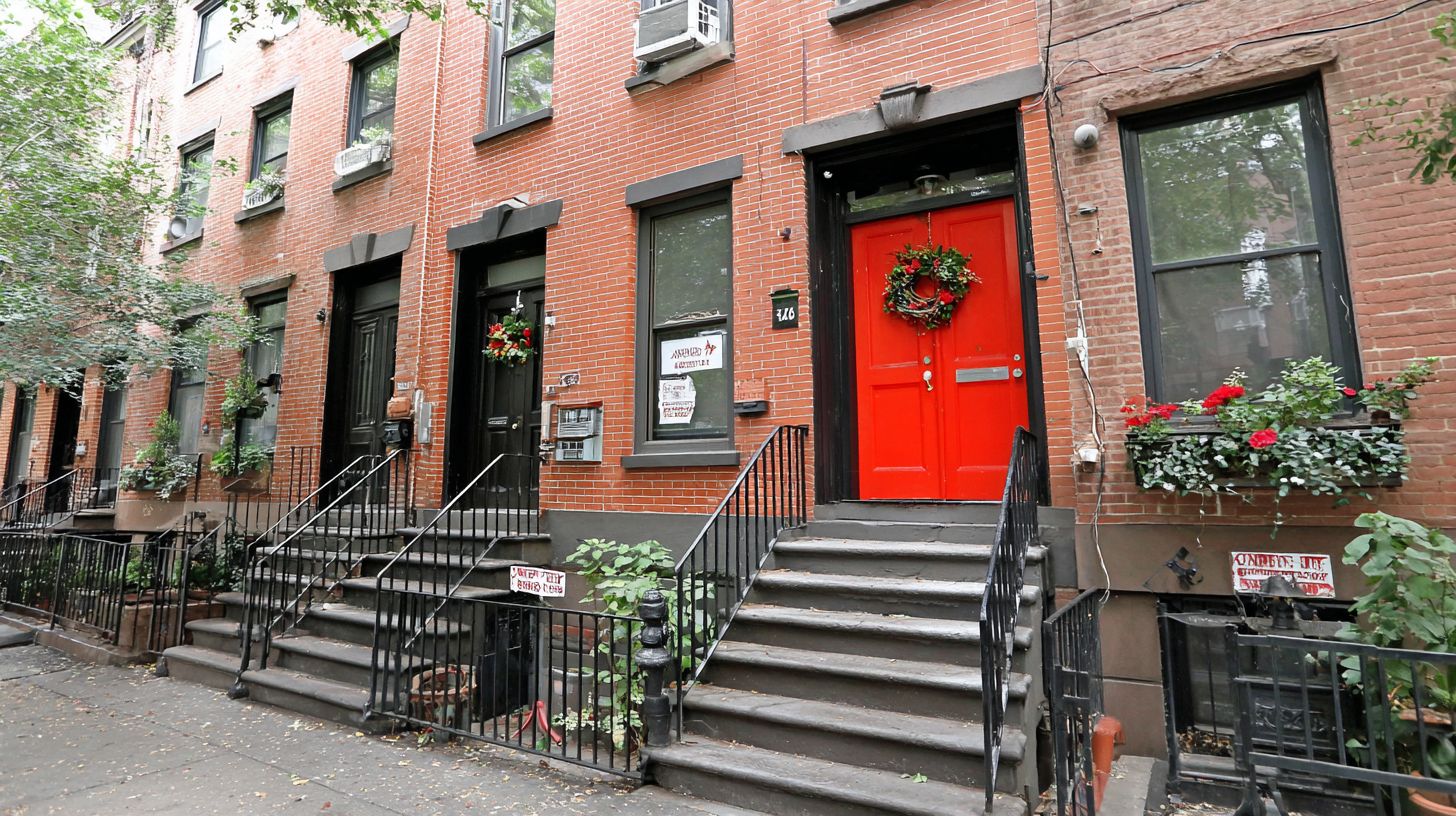
Rittenhouse Square and Graduate Hospital top the list for families seeking spacious rowhomes with bay windows and yard potential. These neighborhoods offer walk scores near parks and schools, ideal for daily life. Check zoning for family-friendly renovations like expanded kitchens.
Preservation quality here supports long-term value, with many homes featuring Victorian details. Inspections should focus on party walls shared among neighborhood clusters. Proximity to green spaces enhances appeal.
Financing options like FHA 203k loans help with updates to mechanicals and basements. Families appreciate the balance of historic charm and modern amenities.
Best for Investors
Fishtown and Fairmount excel for investors eyeing up-and-coming areas with mansard roofs and Edwardian touches. Appreciation stems from ongoing revitalization and proximity to the city core. Target properties needing cosmetic work for quick resale.
Northern Liberties adds value with its mix of brick facades and commercial vibes. Secure permits early for roof decks, a popular investor upgrade. Preservation rules are lighter, aiding faster flips.
Focus inspections on plumbing and electrical in older stock. Investors benefit from neighborhood growth driving demand.
Best for Empty-Nesters
Society Hill and Queen Village suit empty-nesters with compact, low-maintenance trinity houses and flat roofs. High walk scores mean easy access to dining and culture without a car. These spots preserve cornices and stoops beautifully.
Old City offers similar perks with federal-style gems. Minimal yard work appeals, though moisture in basements requires attention. Renovations often prioritize single-level living.
Historical commission oversight ensures lasting architecture. Empty-nesters enjoy the quiet elegance of South Philadelphia influences here.
What Inspections Are Essential for Rowhome Buyers?
Rowhome buyers must budget $2,500-$4,000 for specialized inspections covering party walls, shared mechanicals, Historical Commission compliance, and zoning for roof decks. Issues missed in standard home inspections often lead to costly surprises in Philadelphia’s historic rowhomes. These checks protect your investment in narrow brick facades and old structures.
Follow this numbered inspection protocol to uncover hidden problems in Society Hill or South Philadelphia neighborhoods. Hire experts familiar with Victorian, Greek Revival, and Italianate styles. The Plusrealtors inspector network connects you with specialists in rowhome architecture.
Start early in the buying process, ideally before finalizing your offer. Combine inspections with a review of permits for past renovations. This approach ensures compliance with the Historical Commission for features like cornices and parapets.
- Conduct a structural/party wall inspection costing around $800. Shared bearing walls between rowhomes can crack from settling. Check for water intrusion in these critical supports common in Queen Anne and Federal homes.
- Schedule a mechanical systems survey at about $600. Pre-1960 electrical and plumbing often fail in old rowhomes. Inspect wiring in basements and cast-iron pipes prone to leaks.
- Get a historic preservation review for roughly $400. Assess cornice and parapet conditions on Second Empire mansard roofs. Preservation rules affect resale and financing like FHA 203k loans.
- Evaluate roof deck feasibility for $300. Flat roofs on Trinity houses may allow additions, but zoning limits apply. Confirm structural support for popular expansions in West Philadelphia.
- Perform a sewer scope and basement moisture check at $500. Scope lines for root intrusion and test for dampness. These issues plague kitchen remodels in Georgian stoop-front rowhomes.
How to Finance and Navigate the Buying Process?
FHA 203k loans cover up to $75K renovation costs for rowhome mechanicals and kitchen/bath updates, while local historic tax credits offset 20-35% of preservation work through Pennsylvania’s program. These options help buyers tackle common issues in Philadelphia historic rowhomes, such as outdated plumbing or electrical systems in narrow Trinity houses. Experts recommend starting with pre-approval to gauge your budget early.
The buying process involves specific steps tailored to old brick facades, party walls, and Historical Commission rules. Neighborhoods like Society Hill or South Philadelphia often require extra diligence for cornices and stoops. Follow this 8-step process to avoid delays in your purchase of a Greek Revival or Victorian gem.
- Get pre-approval from lenders who specialize in rowhomes, focusing on those familiar with Philadelphia’s historic market and financing quirks.
- Identify the architectural style, such as Federal, Georgian, Italianate, Queen Anne, Second Empire, or Edwardian, to anticipate preservation needs like mansard roofs or bay windows.
- Schedule specialized inspections: structural for party walls and foundations, moisture for basement issues, mechanical for plumbing/electrical, facade for brick and parapets, and roof for flat roofs or cornices.
- Review Historical Commission permit timeline, which often takes 60-90 days for approvals on renovations to stoops, windows, or mechanicals.
- Explore FHA 203k or portfolio financing for covering kitchen remodels, electrical upgrades, or adding roof decks in West Philadelphia clusters.
- Conduct a title search for party wall agreements, common in narrow rowhomes to clarify shared wall responsibilities.
- Verify zoning for roof decks or additions, ensuring compliance in neighborhoods with strict rules on height and setbacks.
- Close with a local attorney network experienced in historic properties to handle easements and preservation covenants smoothly.
This structured approach minimizes risks in resale value and ensures your Philadelphia rowhome investment aligns with city architecture preservation goals. Work with agents who know Society Hill’s Georgian styles or South Philadelphia’s Italianate facades.
Why Partner with Plusrealtors for Your Rowhome Purchase?
Plusrealtors’ 28 years serving Greater Philadelphia rowhome buyers provides exclusive access to vetted inspectors, title professionals, Historical Commission navigators, and FHA 203k lenders across Philadelphia, Bucks, Montgomery, Delaware, Chester counties, and South Jersey shore. This network helps buyers navigate historic rowhome challenges like party walls, zoning for roof decks, and renovations in neighborhoods such as Society Hill and Fishtown. Clients benefit from trusted contacts who speed up transactions and reduce risks.
Recent case studies show how this expertise leads to successful outcomes. In one deal, a Society Hill Greek Revival at $2.1M uncovered a party wall issue before closing. The team’s inspector flagged moisture behind the brick facade, allowing negotiations that saved the buyer thousands in repairs.
Another transaction involved a Fishtown Victorian renovation for $825K using 203k financing. Plusrealtors coordinated with specialized lenders to fund kitchen remodels and electrical updates in the narrow trinity house. This approach ensured smooth permits and preserved architectural details like bay windows and cornices.
A Queen Village Italianate rowhome sold for $1.4M after securing zoning for a roof deck. The network’s Historical Commission navigator handled preservation reviews for the mansard roof and parapets. With a 97% client referral rate, these examples highlight reliable guidance for Philadelphia’s old brick homes.
Frequently Asked Questions
What is ‘A Buyer’s Guide to Historic Rowhomes in Philadelphia: Pros, Cons, and Maintenance’ all about?
This comprehensive A Buyer’s Guide to Historic Rowhomes in Philadelphia: Pros, Cons, and Maintenance is designed for prospective buyers in the Greater Philadelphia area, covering the unique advantages like architectural charm and prime locations in neighborhoods such as Society Hill or Fishtown, potential drawbacks including high restoration costs and limited space, and essential maintenance tips for preserving these pre-1900 gems. Tailored by Plusrealtors, Philadelphia’s premier real estate brokerage serving Philly, Bucks, Montgomery, Delaware, Chester counties, and the South Jersey shore, this guide draws on our deep local expertise to help you navigate the market confidently.
What are the top pros of buying historic rowhomes in Philadelphia according to ‘A Buyer’s Guide to Historic Rowhomes in Philadelphia: Pros, Cons, and Maintenance’?
Key pros highlighted in A Buyer’s Guide to Historic Rowhomes in Philadelphia: Pros, Cons, and Maintenance include their timeless architectural beauty with features like exposed brick and original woodwork, strong appreciation potential in hot spots like Queen Village or Northern Liberties, and walkable access to Philly’s cultural hubs. Plusrealtors, with our extensive network of local inspectors and title professionals, positions these properties as smart long-term investments in the Greater Philadelphia market.
What are the main cons outlined in ‘A Buyer’s Guide to Historic Rowhomes in Philadelphia: Pros, Cons, and Maintenance’?
The guide details cons such as outdated plumbing/electrical systems common in Philly’s historic rowhomes, space constraints on narrow lots, and vulnerability to issues like settling foundations in areas like Graduate Hospital. A Buyer’s Guide to Historic Rowhomes in Philadelphia: Pros, Cons, and Maintenance advises partnering with experts like Plusrealtors, who connect you with trusted real estate attorneys and mortgage lenders to mitigate risks in Bucks, Montgomery, Delaware, Chester counties, and beyond.
How does ‘A Buyer’s Guide to Historic Rowhomes in Philadelphia: Pros, Cons, and Maintenance’ address ongoing maintenance needs?
Maintenance advice in A Buyer’s Guide to Historic Rowhomes in Philadelphia: Pros, Cons, and Maintenance focuses on Philly-specific challenges like protecting slate roofs from harsh winters, maintaining historic windows for energy efficiency grants via the Philadelphia Historical Commission, and budgeting for tuckpointing on rowhome facades. Plusrealtors offers property management services and links to local pros to keep your investment in top shape across the Greater Philadelphia region and South Jersey shore.
Why choose Plusrealtors for guidance on ‘A Buyer’s Guide to Historic Rowhomes in Philadelphia: Pros, Cons, and Maintenance’?
As the go-to brokerage for residential, commercial, new construction, and property management in Philadelphia and surrounding counties, Plusrealtors embodies the insights of A Buyer’s Guide to Historic Rowhomes in Philadelphia: Pros, Cons, and Maintenance. Our strong network of local title professionals, inspectors, attorneys, and lenders ensures seamless transactions for historic rowhomes in Rittenhouse Square or Passyunk, giving you an edge in this competitive market.
Is ‘A Buyer’s Guide to Historic Rowhomes in Philadelphia: Pros, Cons, and Maintenance’ relevant for buyers in Bucks or South Jersey?
Absolutely-while centered on Philadelphia’s iconic rowhomes, A Buyer’s Guide to Historic Rowhomes in Philadelphia: Pros, Cons, and Maintenance provides transferable insights for similar properties in Bucks, Montgomery, Delaware, Chester counties, and the South Jersey shore. Plusrealtors’ authoritative local knowledge across these areas makes us your premier partner for informed buying decisions.