

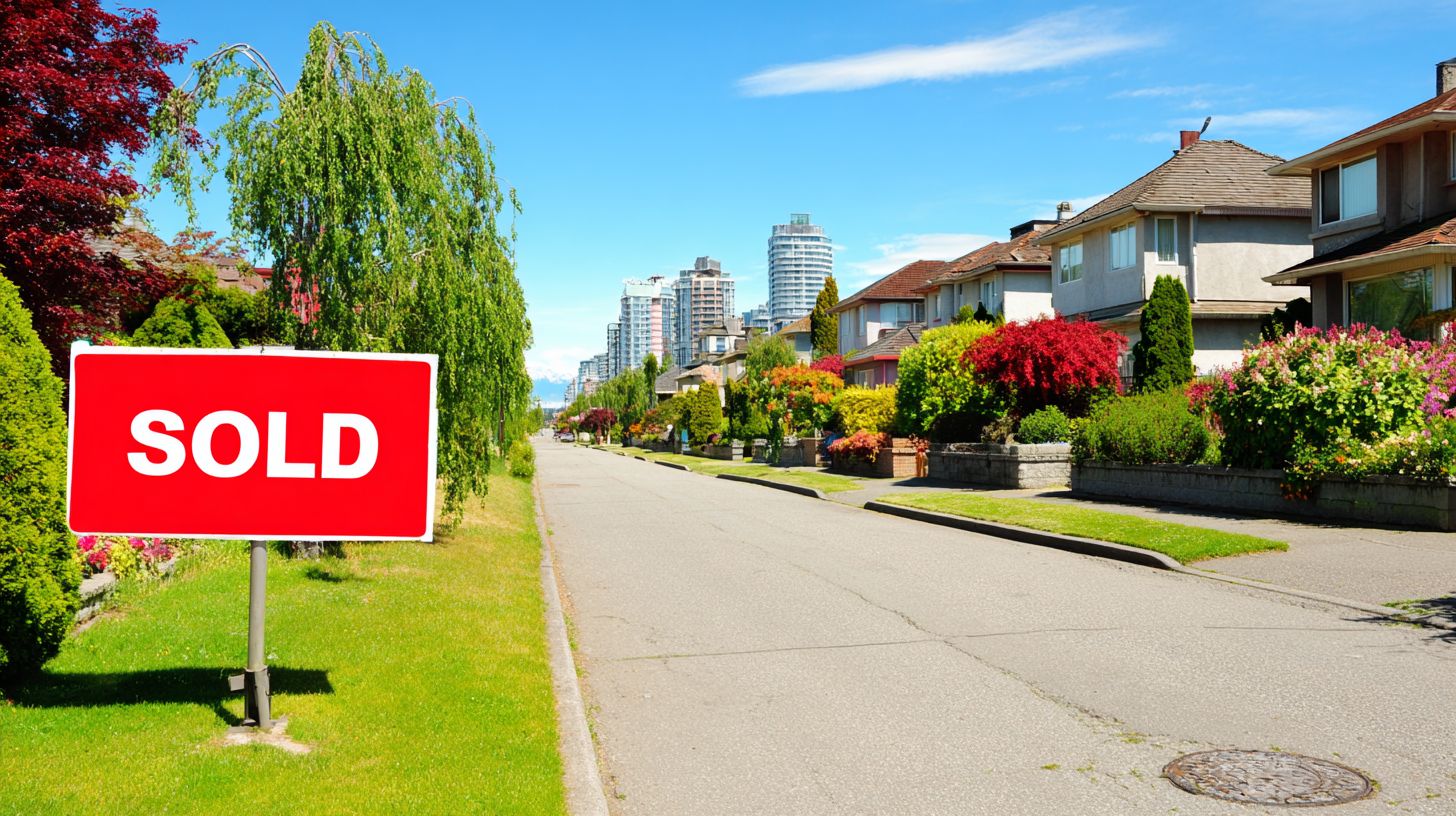
18 May The Complete Guide to Buying New Construction Homes in the Philadelphia Suburbs
Philadelphia’s suburban housing market is evolving rapidly, with new construction homes offering modern amenities and energy-efficient designs that older properties often lack. From Chester and Montgomery Counties to Bucks County, buyers now face complex decisions about builder selection, financing, and customization.
Why Choose New Construction in the Philadelphia Suburbs
Energy Star certified homes in Chester and Montgomery County suburbs reduce monthly utility costs by 20-30% compared to existing homes built before 2010. New construction homes deliver better insulation and modern HVAC systems. These features help residents manage energy expenses more effectively throughout the year.
Research suggests that new homes achieve higher energy efficiency than older properties. Families in the Philadelphia suburbs often notice lower heating and cooling bills after moving into a new build home. The difference becomes especially clear during harsh winter months and hot summer periods.
Builders like Toll Brothers and Lennar incorporate advanced materials that meet current environmental standards. Energy efficiency reduces long-term ownership costs while supporting comfort. Buyers appreciate knowing their home uses less energy from day one.
Selecting a new construction option also means avoiding unexpected repairs common in older homes. Families gain peace of mind knowing major systems are covered under warranty. This approach supports a smoother transition into a new neighborhood. Related insight: Center City vs. The Suburbs: Where Should You Buy Your Next Home?
Long-Term Value and Warranty Protection
A 10-year structural warranty provides protection that resale homes rarely match. Most existing homes offer only a one-year warranty on major systems. New construction homes give buyers confidence that their investment remains secure for years to come.
The extended coverage includes foundation issues and framing problems. This protection becomes valuable if structural concerns arise after move-in. Families in Chester County and Montgomery County report greater peace of mind with new homes.
Buyers should review warranty documents carefully during the closing process. Understanding coverage limits helps set realistic expectations. A quick discussion with the home builder clarifies what the warranty includes and excludes.
Research suggests that homes with comprehensive warranties hold their value better over time. Buyers gain reassurance that major repairs will not become immediate burdens. This factor alone influences many families when comparing new versus existing properties.
Energy Savings and Smart Features
Energy Star appliances help reduce annual utility costs over time. Builders frequently install these units as standard equipment in new homes. Smart home features such as programmable thermostats and integrated security systems come pre-wired and ready for use.
Contemporary floor plans often place the kitchen and living room in open layouts. These spaces benefit from efficient lighting controls and modern HVAC zoning. Families appreciate the convenience of managing systems through a single app.
Many new build homes include fiber optic internet connections as standard. Quick move-in options allow buyers to enjoy these features without waiting for construction delays. The combination supports both daily comfort and long-term savings.
Site visits during construction let buyers see insulation quality and window installation firsthand. Early observation helps confirm that energy-saving elements meet expectations. This involvement creates confidence before final walkthrough.
Financing Advantages and Customization
New construction financing often includes attractive interest rate options. Builders sometimes partner with lenders to offer competitive terms for qualified buyers. Interest rate buydown programs can reduce monthly payments during the first few years.
Customization at the design center allows buyers to select finishes that match their preferences. Choices include quartz countertops, hardwood floors, and cabinet styles for the kitchen. These selections personalize the home from the start.
Buyers should compare base prices across communities in West Chester, Exton, and Radnor to find suitable options. Understanding lot premiums and available upgrades helps with budgeting. A visit to several model homes clarifies the process.
One family compared a new build home to an existing property and found meaningful first-year savings. The difference came from lower utilities and fewer repairs. They used that amount toward other household priorities after closing.
Top Suburbs and Communities
The Philadelphia suburban new construction market spans 5 counties with 23 active communities selling 50-120 homes per location at price points from $425,000 to $2.1M.
Buyers exploring new construction homes in the Philadelphia suburbs can choose from multiple counties offering different price points and community styles. Each area provides distinct advantages based on commute needs and lifestyle preferences.
Single-family homes and townhomes dominate most developments with lot sizes ranging from 0.25 to 0.75 acres. HOA fees typically fall between $85 and $250 per month depending on the amenities offered at each community.
| County | Top Communities | Price Range | Builder Examples | School Rating | Commute Time to Philly |
|---|---|---|---|---|---|
| Chester | Malvern Hunt | $725K-$1.1M | Toll Brothers | 8-10/10 | 35-55 minutes |
| Chester | West Chester Crossing | $475K-$625K | Ryan Homes | 8-10/10 | 35-55 minutes |
| Chester | Exton Ridge | $550K-$725K | D.R. Horton | 8-10/10 | 35-55 minutes |
| Montgomery | King of Prussia | $685K-$950K | Toll Brothers | 8-10/10 | 25-40 minutes |
| Montgomery | Conshohocken Station | $525K-$750K | Lennar | 8-10/10 | 25-40 minutes |
| Montgomery | Upper Dublin | $575K-$825K | Pulte Homes | 8-10/10 | 25-40 minutes |
| Bucks | Newtown Crossing | $725K-$875K | Toll Brothers | 9/10 | 45 minutes |
| Bucks | Richboro | $550K-$695K | Ryan Homes | 9/10 | 45 minutes |
Chester County
Chester County offers 8 active new construction communities with median home prices of $625,000 and Great Valley School District ratings of 8-10/10.
One notable development is Toll Brothers at Malvern Hunt which offers homes priced from $725,000 to $1.1 million. This community features 4 models and provides a clubhouse with a pool and fitness center for residents to enjoy.
Ryan Homes at West Chester Crossing provides more affordable options ranging from $475,000 to $625,000. Buyers can select from 6 floor plans and enjoy amenities such as a playground and trails throughout the community.
D.R. Horton at Exton Ridge offers homes between $550,000 and $725,000 with 5 models available. The 0.33-acre lots give residents space while maintaining close proximity to Route 202 for commutes of 35-55 minutes to Philadelphia.
Montgomery County
Montgomery County features 12 new construction communities with direct access to I-476 and Blue Route, averaging 25-40 minute commutes to Center City Philadelphia.
Toll Brothers at King of Prussia presents options between $685,000 and $950,000 with 5 models available. The community includes a fitness center and pool while offering convenient proximity to the King of Prussia Mall and corporate centers.
Lennar at Conshohocken Station provides townhomes and single-family homes priced from $525,000 to $750,000. This development offers SEPTA regional rail access and features an HOA fee of $165 per month for residents.
Pulte Homes at Upper Dublin allows buyers to choose from 4 floor plans at prices ranging from $575,000 to $825,000. This family-friendly community sits near golf courses and offers easy access to corporate employment centers in the area.
Bucks County
Bucks County currently has 3 active new construction communities with price points from $550,000 to $875,000 and top-rated Council Rock School District.
Toll Brothers at Newtown Crossing offers homes ranging from $725,000 to $875,000 with 3 models available. The 0.5-acre lots provide ample space and residents benefit from nature preserve trails plus an HOA fee of $195 per month.
Ryan Homes at Richboro presents options between $550,000 and $695,000 with 4 floor plans available. This family-friendly development features a playground and maintains a 45-minute commute to Philadelphia via I-95.
Understanding the Buying Process
The new construction buying process in Philadelphia suburbs typically spans 90-180 days from reservation to closing, compared to 30-45 days for existing homes. This timeline gives buyers more control over customization options. It also requires patience through several decision points that shape your final home.
Buyers should start by reviewing builder websites to explore available communities across Chester County, Montgomery County, and Bucks County. Virtual tours help narrow options before scheduling in-person visits. Site visits let you see model homes and assess lot size in relation to your needs.
Each community offers different floor plans suited for single-family homes, townhomes, or condos. Walking through finished spaces helps you picture daily life in a master bedroom or kitchen layout. Many buyers find that visiting multiple locations clarifies which builder and location best fit their lifestyle.
Understanding the overall sequence helps reduce surprises later. Knowing what happens at each stage makes the process smoother. This knowledge also supports better conversations with your realtor about financing and timing decisions. See also: Home Buying Process.
Research Communities and Schedule Site Visits
Begin your search by identifying areas with good school districts and reasonable commute time to Philadelphia. Locations near Route 202 or the Blue Route offer convenient highway access. Consider whether you prefer proximity to SEPTA stations or regional rail lines.
Review community amenities such as pools, fitness centers, and trails when comparing developments. Many new construction homes in the Philadelphia suburbs include clubhouses and green spaces. These features affect daily quality of life and HOA fees.
Request virtual tours through builder websites to preview model homes before visiting. Virtual options save time when screening multiple communities. Once you narrow your list, schedule site visits to experience the actual feel of each location.
During visits, note lot size and orientation on the site plan. Corner lots may offer more privacy but face higher lot premiums. Ask about environmental impact considerations such as wetlands or storm water management near your preferred positions.
Select Model and Lot
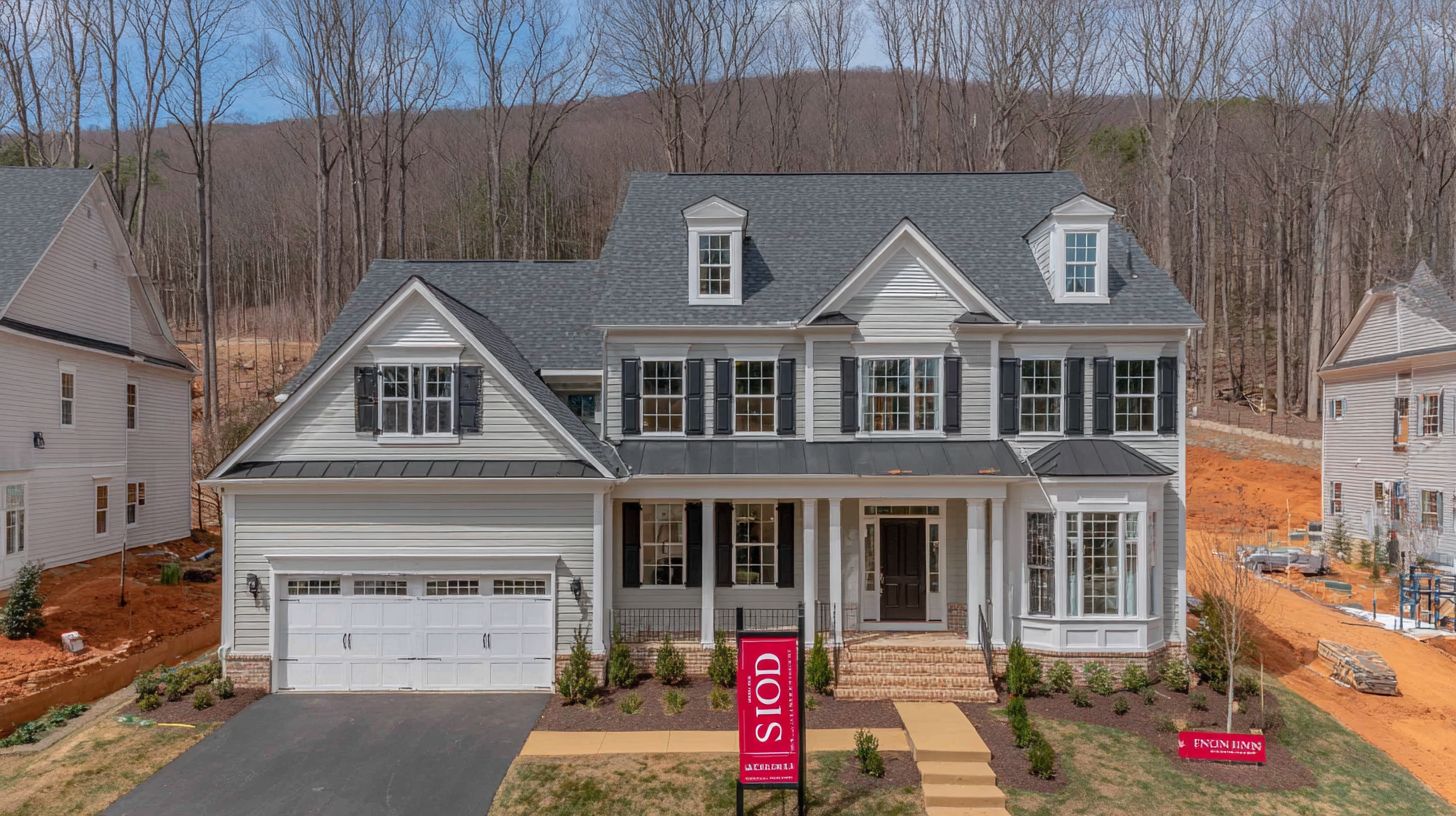
After identifying a community, choose a specific floor plan that meets your space requirements. Base prices vary based on square footage and layout features like a dedicated dining room or attached garage. Compare price per square foot across different models to inform your decision.
Selecting a lot involves evaluating front yard and rear yard potential along with proximity to community amenities. Premium lots with better views or larger dimensions range from fifteen thousand to seventy-five thousand dollars. These lot premiums add to the base price of your new construction home.
Check curb appeal factors such landscaping, siding, and roofing options available for your chosen model. Some builders allow changes to windows and doors at this stage. Discuss appreciation potential with your builder or realtor based on recent sales in the area.
Pay attention to architectural review guidelines that affect exterior choices. These rules protect property values but limit certain modifications. Verify your final site plan position before signing any agreements.
Sign Purchase Agreement
Once your model and lot selection is complete, you signed a purchase agreement with a deposit ranging from three to five percent of the total price. This commitment secures your position in the new build homes queue. The agreement outlines delivery timelines and any available incentives from the builder.
Coordinate with your realtor and mortgage lender to confirm financing terms. Many buyers secure a pre-approval letter before signing. Interest rate options and down payment amounts influence monthly payments.
During this phase, review closing costs estimates and property tax projections for your new location. New homes receive fresh tax assessments at closing. Ask your builder about possible interest rate buydown promotions that can lower initial rates.
Verify that your school district meets your expectations and check top-rated schools ratings. Many families choose Philadelphia suburbs for excellent educational options in areas like Radnor or Lower Merion. This decision point affects both immediate and lang-term satisfaction.
Design Center Selection
After signing the purchase agreement, you visit the design center to choose upgrades and finishes. Budget thirty thousand to one hundred thousand dollars for additional options depending on your taste. Common selections include quartz countertops, stainless steel appliances, and hardwood floors.
An interior designer at the builder’s selection center guides you through choices for the master bath and living room areas. Many builders offer smart home features such as programmable lighting and thermostat controls. These upgrades influence both comfort and energy efficiency.
Discuss home warranty coverage and structural warranty details during design meetings. Most new construction homes include a ten-year warranty on structural elements. Some builders also offer 10-year warranty extensions for additional protection.
Track your budget closely when selecting options and upgrades. Overages affect your final mortgage amount. Consider resale value when deciding on custom choices that may not appeal to future buyers.
Construction Period
The construction period begins once permits are approved and your foundation pouring is scheduled. This phase lasts several months as workers complete framing, drywalled interiors, and finished grading. Regular walkthroughs allow you to observe progress and address any concerns early.
Builders schedule formal inspections at key stages like framing and before drywall installation. During these visits, you can check HVAC placement and plumbing runs. Many buyers photograph each phase for their records.
;
The builder notifies you when your basement or attic becomes accessible for review. Check lot size boundaries and landscaping plans before sodding occurs. Energy Star features such tankless water heater setups and insulation work become visible at this time.
Coordinate with your realtor during this phase to monitor any updates on market condition changes. Some builders offer inventory homes or quick move-in options if your original timeline shifts. These discussions keep you informed about possible alternatives.
Pre-Settlement Inspection
Before closing, a professional home inspection reviews your entire property for defects. This inspection covers electrical wiring, plumbing, and mechanical systems. It also evaluates roofing and windows <!–
Financing Options
New construction financing in the Philadelphia area offers 30-year fixed rates at 6.25-7.10% with builder incentives including 2-1 buydowns and closing cost credits up to $15,000. Many home buyers in the Philadelphia suburbs find that working with builders directly opens doors to customized mortgage solutions. These programs often differ from standard bank offerings because builders partner with preferred lenders.
Conventional 30-year fixed mortgages remain popular for buyers seeking predictable monthly payments. These loans typically require a 20% down payment and offer rates between 6.25% and 7.10%. Buyers who qualify can avoid private mortgage insurance while enjoying long-term rate stability.
FHA loans help first-time buyers and those with lower credit scores enter the market. With just 3.5% down and a minimum credit score of 580, these government-backed loans provide accessible entry points. Many new construction communities in Montgomery County and Chester County accept FHA financing.
Builder rate buydown programs reduce interest rates temporarily through temporary subsidies. A 2-1 buydown lowers the rate by 2% in the first year and 1% in the second year. Toll Brothers often structures these programs to help buyers manage payments during the early years of homeownership. Curious about how fixed rates compare to adjustable-rate options when planning your new construction purchase? Exploring the differences can help you determine which financing strategy best suits your long-term goals.
Deposit Financing and VA Loans
Construction-to-permanent loans allow buyers to finance just 5-10% during the building phase. This approach converts to a permanent mortgage once construction completes. Buyers in areas like King of Prussia and Exton appreciate the convenience of one closing process.
VA loans provide zero down payment options for eligible veterans and active-duty service members. These loans also waive private mortgage insurance requirements. Many new construction communities throughout Delaware County and Bucks County participate in VA financing programs.
Understanding Closing Costs
Closing costs represent a significant portion of the purchase price beyond the mortgage. Buyers should budget for several standard expenses when purchasing new build homes. These fees vary by location and lender but follow predictable patterns across the region.
Transfer tax typically ranges from 1% to 2% of the purchase price. Attorney fees generally fall between $1,200 and $1,800 for standard transactions. Title insurance costs between $2,500 and $4,000 depending on home value and coverage level.
Builder incentives often include closing cost credits that offset some of these expenses. Many communities offer credits up to $15,000 that buyers can apply to fees or prepaid taxes. Buyers should ask their builder about current promotions during contract negotiations.
HOA Fee Structure
HOA fees cover maintenance of community amenities and common areas. These monthly or quarterly payments vary widely depending on the neighborhood features offered. Buyers should review the full fee structure before signing contracts.
Typical new construction communities in the Philadelphia suburbs include clubhouses, pools, and fitness centers funded through HOA contributions. Some developments charge base fees plus additional assessments for specific services. Buyers should request a complete breakdown of what each fee covers.
Understanding the complete financial picture helps buyers make informed decisions about new construction homes. Comparing multiple financing options and reviewing all costs upfront prevents surprises at closing. Working with experienced real estate professionals ensures buyers receive accurate information about available programs.
Working with Builders and Agents
The process of purchasing new construction homes in the Philadelphia suburbs involves working closely with several professionals who each play distinct roles. Philadelphia area builders like Toll Brothers, Lennar, and Ryan Homes maintain on-site design centers where buyers select from 200-400 upgrade options with price sheets available at each location. Understanding these team members helps buyers navigate decisions with greater confidence.
A builder sales counselor works directly at the community and handles reservations, floor plan selection, and contract details. This person explains base prices, lot premiums, and available floor plans for single-family homes, townhomes, or condos. Buyers should ask questions about construction timelines and how changes affect delivery dates.
A buyer’s real estate agent provides representation throughout the process and negotiates incentives that may not appear in standard offers. This professional coordinates home inspections and ensures the buyer’s interests stay protected during negotiations. Documentation of any offered incentives becomes especially important at the first site visit.
A design consultant guides selections once buyers reach the design center stage. These professionals explain material choices for the kitchen, living room, and master bath while pointing out how upgrades affect overall costs. Reviewing price sheets ahead of your appointment helps you prepare for decisions about quartz countertops, hardwood floors, and smart home features.
Preparing for Your First Builder Visit
Bringing your real estate agent to the first visit with a builder ensures proper documentation of incentives. Agents track closing cost credits, free upgrades, and interest rate buydowns that builders may offer during specific periods. Written confirmation of these offers protects buyers if terms change later in the process.
Before arriving at the design center, buyers should review upgrade price sheets from their chosen builder. Comparing costs for stainless steel appliances, tile backsplash, and HVAC upgrades helps prioritize selections that fit within budget. This preparation prevents rushed decisions once you stand in the selection room.
Requesting written incentive offers creates a clear record of any closing cost assistance or upgrade promotions. Builders may present these verbally at first, but buyers gain protection when terms appear in writing. Agents help verify that all promised elements appear in the final contract documents.
The architectural review process governs exterior selections such as siding, roofing, and window styles. Builders require approval for colors and materials to maintain consistent curb appeal across the community. Your sales counselor explains these guidelines during early conversations about your lot selection.
Key Features and Upgrades to Consider
Standard base homes in Philadelphia suburbs include 4 bedrooms, 2.5 baths, 2,400-3,200 sq ft with quartz kitchen counters, stainless appliances, and hardwood flooring on main level. Buyers often explore upgrades to personalize their new construction homes. These choices affect both daily living and long term value.
Most builders in areas like Chester County and Montgomery County offer structured upgrade packages. Understanding each category helps you budget effectively. The price per square foot for upgrades typically ranges from $85 to $125 depending on the materials and labor involved.
Many buyers allocate between $45,000 and $85,000 for mid-range upgrades across several categories. This investment can improve comfort, efficiency, and resale value when selling later. Consider your lifestyle needs before finalizing selections at the design center.
Working with your realtor helps prioritize upgrades that align with your budget and local market conditions. Some features may also reduce future maintenance costs. Taking time to review options prevents costly change orders later in the process. For a deeper look at how specific upgrades can maximize long-term value, explore Maximizing Resale Value: Kitchen Remodel ROI in 2025.
Kitchen Upgrades
The kitchen serves as a central space in most new build homes. Base models usually include quartz counters and stainless steel appliances. Many buyers upgrade to granite for a different aesthetic or add an induction range for faster cooking.
Extended islands provide additional workspace and seating. These options typically cost around $2,500 for an induction range and $3,800 for an extended island. Your builder can guide you through available finishes at the selection center.
Quality kitchen upgrades often improve daily function and appeal to future buyers. Consider how you use the space before selecting materials. Professional advice from an interior designer can help optimize layout and storage.
Popular choices include tile backsplash and custom cabinetry in areas like the Main Line and West Chester. These details create a more finished look. Budget accordingly to avoid exceeding your overall upgrade allocation.
Flooring Upgrades
Hardwood flooring throughout offers durability and consistent appearance. Base packages usually cover the main level only. Upgrading to full home coverage creates a seamless transition between rooms.
This option ranges from $8,500 to $15,000 depending on square footage and wood species. Many buyers in Bucks County and Delaware County choose this upgrade for easier maintenance. The investment often pays off through increased comfort and resale value.
Discuss flooring thickness and finishes with your home builder. Some materials handle heavy foot traffic better than others. Your choice should match the style of your floor plans and daily routines.
Consider underlayment options for sound reduction in multi-level homes. These additions enhance living quality without major design changes. Review samples at the design center before making final decisions.
Smart Home Upgrades
Whole-home automation connects lighting, security, and climate controls. Many new construction homes include fiber optic pre-wire as standard. This infrastructure supports future technology additions.
Adding whole-home automation typically costs around $4,200. Buyers in King of Prussia and Exton often select these features for convenience. Integration with voice commands and remote access improves daily management.
Smart home features can increase energy efficiency and security. Discuss compatibility with your preferred devices during the walkthrough. Your builder can explain available options and installation timing.
These upgrades work well in both single-family homes and townhomes. Consider which rooms need control panels most. Planning ahead prevents wiring changes after drywall installation.
Energy Efficiency Upgrades
Tankless water heaters provide continuous hot water on demand. This upgrade costs approximately $1,800 and saves space in utility areas. Many buyers pair it with solar panels for greater savings.
Solar panel systems range from $18,000 to $28,000 depending on size and output. Homes in Radnor and Haverford benefit from these additions through reduced utility bills. Energy efficiency also supports environmental goals.
Discuss HVAC improvements and insulation upgrades with your builder. These choices affect long term operating costs. Review energy ratings during your site visits to compare performance.
Some builders offer energy star certified options as part of base packages. Ask about rebates and incentives available in your school district. Proper selection can improve overall home performance.
Outdoor Living Upgrades
Outdoor spaces extend living areas in Philadelphia suburbs. Base models include basic concrete pads. Upgrades like patios, decks, and front porches create functional outdoor rooms.
A standard patio costs around $6,500 while a deck runs $9,200. Front porch upgrades average $4,800. Buyers in Glen Mills and Wayne often select these features for entertaining and relaxation.
Consider lot size and orientation when choosing outdoor options. Rear yard upgrades work best with southern exposure. Discuss drainage and grading plans with your builder before finalizing selections.
These improvements enhance curb appeal and daily enjoyment. Many buyers find outdoor spaces increase time spent at home. Match your upgrade choices to your lifestyle and planned usage patterns.
Timeline and Construction Phases
New home construction in Philadelphia suburbs follows a 6-8 month timeline from permit to certificate of occupancy, with buyers receiving 4-6 scheduled walkthroughs during construction. The construction timeline includes several distinct phases that move a home from raw land to a finished product. Each phase builds upon the previous one to ensure structural integrity and code compliance.
The permit process typically lasts 4 to 6 weeks as local municipalities review plans and issue approvals. During this period, builders coordinate with zoning offices in areas like Chester County and Montgomery County to confirm compliance with local regulations. Buyers should use this time to finalize their financing and review any HOA fees associated with their chosen community.
Once permits clear, crews begin site preparation and foundation work. This phase sets the structural foundation for the entire home and includes waterproofing measures that protect against moisture issues common in the region. Proper execution here prevents future problems with basements and lower levels that many buyers select in single-family homes and townhomes.
Key Construction Stages Breakdown
The foundation pouring and waterproofing phase takes roughly 2 weeks to complete. Crews pour concrete footings and walls, then apply waterproof membranes and drainage systems. Buyers often schedule their first site visit during this period to observe the layout and dimensions of their future master bedroom and living room areas.
Framing and roof work follows for 6 to 8 weeks as crews assemble the wooden structure and install roof trusses. This visible progress gives buyers a sense of the square footage and room proportions outlined in their selected floor plans. The home builder typically provides access through a builder portal where families can track daily updates and photo documentation.
Windows, doors, and siding installation spans 2 to 3 weeks once framing receives weather protection. These exterior elements contribute to the curb appeal and energy efficiency ratings of new construction homes in the Philadelphia suburbs. Buyers may visit during this phase to confirm alignment with their chosen selections from the design center.
Mechanical Systems Installation
The HVAC, plumbing, and electrical rough-in phase lasts approximately 3 weeks. Installers place ducts, pipes, and wiring throughout the walls and ceilings before anything gets concealed. This is a critical site visit point where buyers can verify locations for outlets, switches, and HVAC vents in the kitchen, dining room, and garage areas.
Insulation and drywall work follows for 2 to 3 weeks as crews add thermal performance materials and cover all walls with gypsum boards. Energy Star standards often guide these materials, which are common in new build homes across King of Prussia and West Chester communities. Buyers schedule a pre-drywall walkthrough before this phase ends to review hidden mechanical systems.
Interior finishes and painting span 4 to 5 weeks. Installers bring quartz countertops, stainless steel appliances, and hardwood floors into the home before painters apply final coats. Buyers attend a pre-paint walkthrough to review wall colors and interior selections before they become permanent fixtures.
Final Touches and Delivery
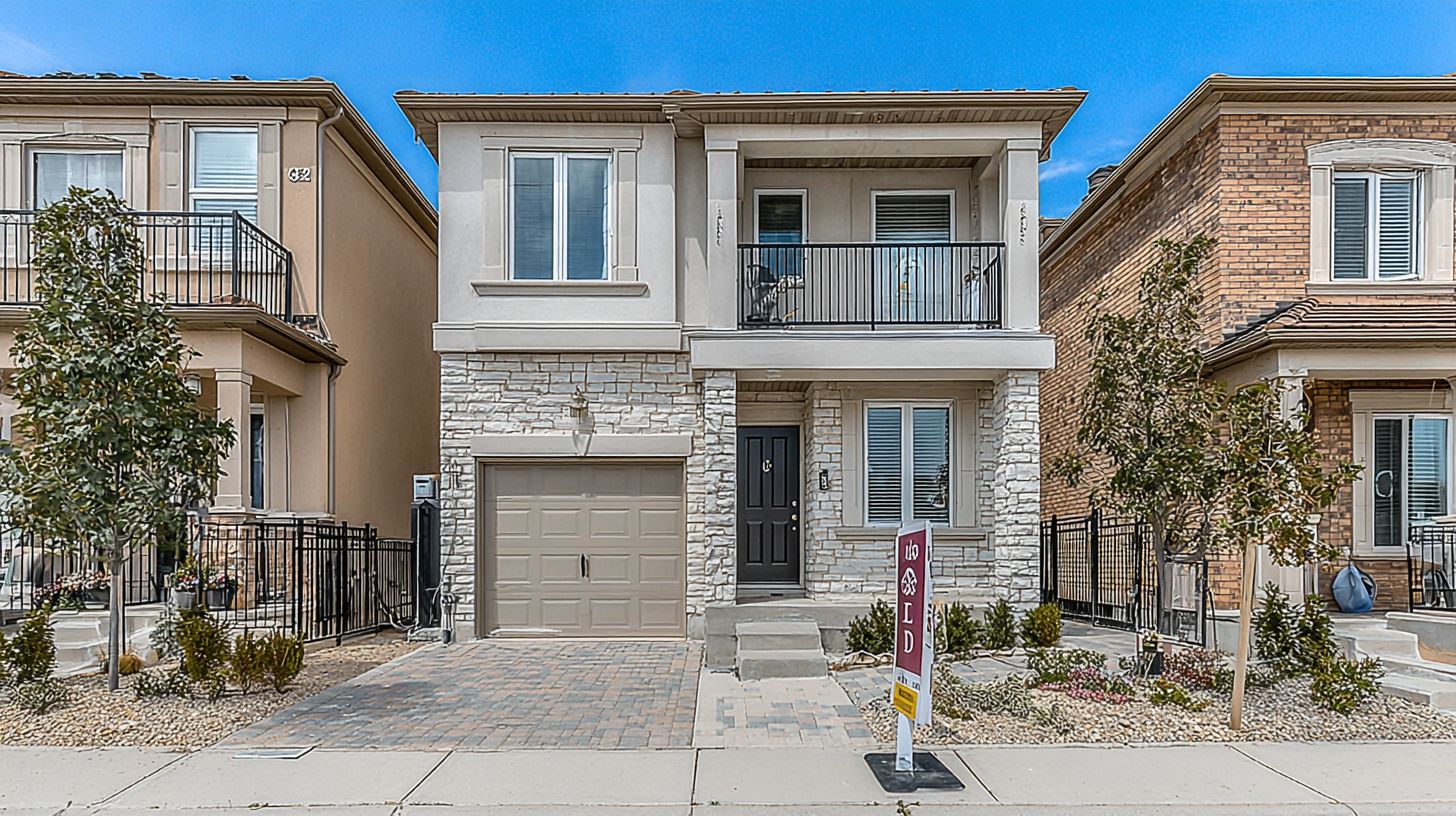
The exterior grading, sodding, and landscaping phase takes 2 weeks to complete. Crews level the lot size and install grass and plants that match the community standards of model homes in areas like Exton and Radnor. This work creates the finished appearance that buyers expect when they receive their final walkthrough before closing.
Builders typically arrange five scheduled site visits at strategic points during construction. These visits include foundation, framing, pre-drywall, pre-paint, and final walkthrough appointments. Each visit allows buyers to confirm progress and address questions before next phases begin.
Delays occur from weather conditions, material availability, or inspection scheduling. Buyers can monitor real-time progress through their builder portal which provides photo uploads and status reports. This online tool helps families stay informed when visiting communities in Delaware County or Bucks County where new construction homes are popular.
Final Steps: Closing and Moving In
Closing on new construction homes in Philadelphia suburbs requires 2-3% of purchase price in closing costs, with final walkthrough scheduled 24-48 hours before settlement. This milestone marks the transition from construction to ownership. Buyers should prepare all required documents and review final numbers carefully before proceeding.
Final walkthroughs give buyers one last opportunity to inspect the property. Schedule this visit at least one day before settlement to allow time for any corrections.
Walk through each room methodically, testing doors, windows, and light switches. Check all plumbing fixtures for proper drainage and leaks. Verify that appliances function correctly and that the HVAC system responds to thermostat controls.
Create a punch list of any items needing attention. Document everything with photos and written descriptions. Builders typically request 24 to 48 hours to address minor concerns before closing proceeds.
Resolving Punch List Items
Builders usually address punch list corrections within 30 days after settlement. Most issues involve cosmetic adjustments rather than major structural concerns. Keep detailed records of every item reported and its resolution status.
Minor repairs often occur after buyers take possession. Contact the builder promptly if new issues surface during early occupancy. Communication remains essential throughout this period.
Expect some items like touch-up paint or hardware adjustments to require multiple visits. Larger corrections may need scheduling around your moving timeline. Maintain open dialogue with your builder representative throughout the process.
Financing and Settlement
Your lender completes final mortgage approval and funding in the days leading up to settlement. Confirm that all conditions have been cleared and that funds are ready for disbursement. This step prevents delays at the closing table.
Settlement occurs at the title company office. Attorney fees typically range from $1,200 to $1,800 for this service. Review all closing documents carefully before signing. Ask questions about any line items you do not understand.
Once papers are signed and funds transfer, you receive the keys and garage remotes. This moment officially transfers ownership. Celebrate the achievement while staying organized for the next phase of move-in.
Post-Closing Actions
Activate utilities immediately after receiving keys. Contact each provider to establish service in your name. Schedule HOA access credentials if your community requires them for gates or amenities.
New construction homes include warranty coverage with different timeframes. Workmanship items fall under one-year protection. Mechanical systems receive two-year coverage while structural elements carry a 10-year warranty.
Create a post-closing checklist to complete after moving in. Change locks on all entry points for security. Register all warranties through the builder portal. Schedule HVAC maintenance within the first month and review HOA documents for community rules.
Frequently Asked Questions
How do I use The Complete Guide to Buying New Construction Homes in the Philadelphia Suburbs to start my home search?
The Complete Guide to Buying New Construction Homes in the Philadelphia Suburbs provides step-by-step instructions for identifying top new-build communities, comparing floor plans, and determining which Philadelphia suburbs offer the best value for new homes.
What neighborhoods are featured in The Complete Guide to Buying New Construction Homes in the Philadelphia Suburbs?
The Complete Guide to Buying New Construction Homes in the Philadelphia Suburbs highlights popular areas such as Chester County, Montgomery County, and Bucks County, showing you where new construction homes are currently being built.
Which builders are recommended in The Complete Guide to Buying New Construction Homes in the Philadelphia Suburbs?
The Complete Guide to Buying New Construction Homes in the Philadelphia Suburbs recommends reputable builders with proven track records in the region, helping you avoid common pitfalls when choosing a contractor.
Can I find financing tips in The Complete Guide to Buying New Construction Homes in the Philadelphia Suburbs?
The Complete Guide to Buying New Construction Homes in the Philadelphia Suburbs offers financing strategies specific to new construction, including how to lock in rates and navigate builder incentives in the Philadelphia suburbs.
How does The Complete Guide to Buying New Construction Homes in the Philadelphia Suburbs handle closing costs?
The Complete Guide to Buying New Construction Homes in the Philadelphia Suburbs explains how to negotiate closing costs, understand taxes, and prepare for additional expenses unique to new-build homes in the region.
Is The Complete Guide to Buying New Construction Homes in the Philadelphia Suburbs suitable for first-time buyers?
The Complete Guide to Buying New Construction Homes in the Philadelphia Suburbs is designed for both experienced and first-time buyers, with beginner-friendly explanations of the process of buying new construction homes in the Philadelphia suburbs.