

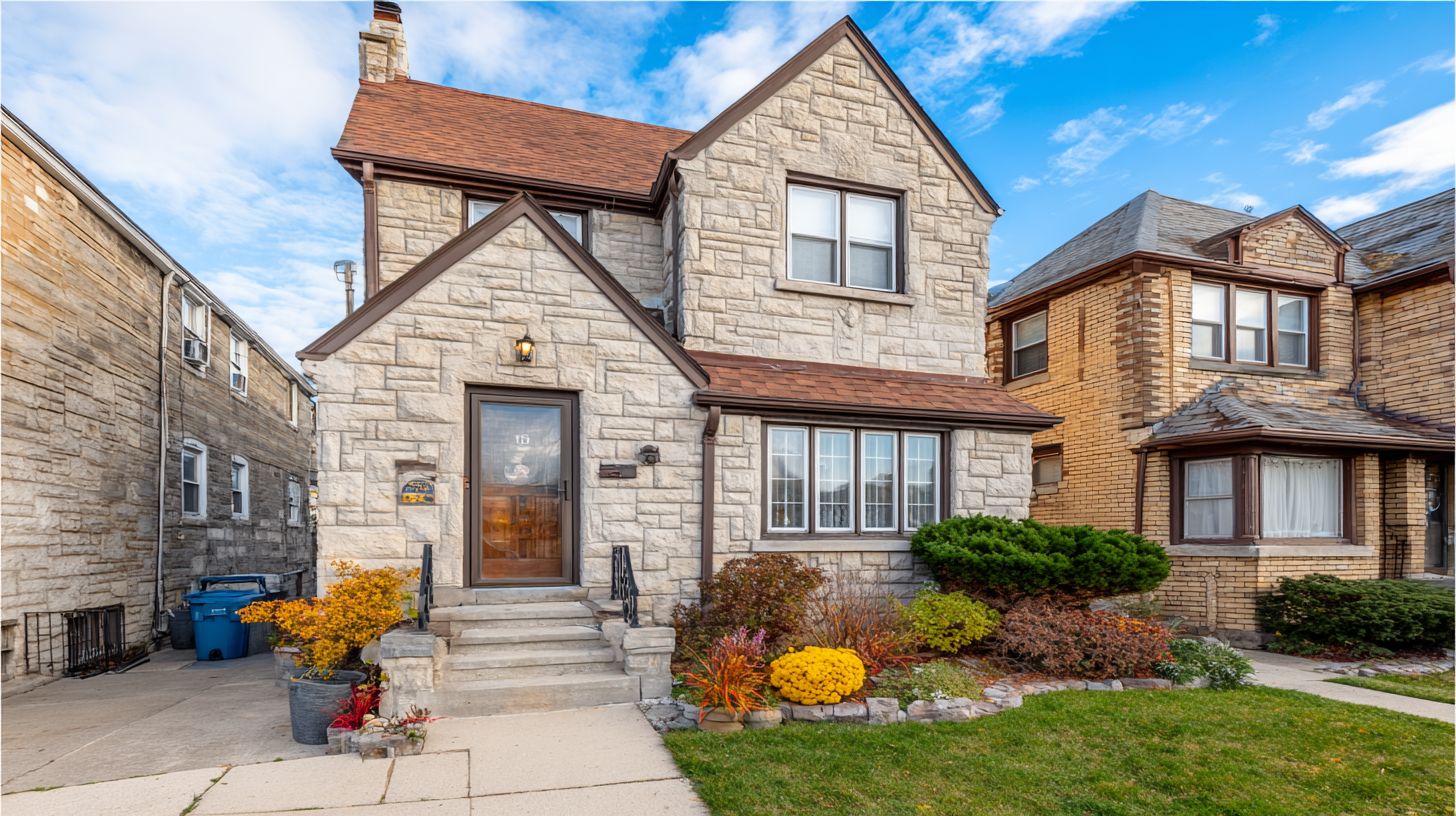
15 Jun The Ultimate Relocation Guide to Philadelphia’s Historic Main Line Communities
For families relocating to the Philadelphia suburbs, finding the right Main Line community requires more than national guides-it demands insight into historic neighborhoods shaped by the Pennsylvania Railroad and local market realities. This guide examines Main Line Philadelphia towns like Bryn Mawr, Haverford, and Wayne, where family-friendly amenities, top-rated schools, and strategic commutes to Center City converge. Plusrealtors’ network of local title professionals, inspectors, and mortgage lenders ensures your transition to the Philadelphia Main Line is seamless and informed.
Key Takeaways:
How to Choose the Right Main Line Community for Your Family
Selecting a Main Line community requires matching family priorities with measurable town features such as school ratings, commute distance, and median household income. Families relocating from Center City or other Philadelphia suburbs benefit from comparing these details before making decisions. Local knowledge helps narrow options among historic towns along the Pennsylvania Railroad corridor.
Five key criteria guide this process. School choice matters when weighing public options against private institutions such as Friends Central. Walkability scores reveal how easily residents reach dining and retail without driving. Proximity to SEPTA stations supports daily commutes. Annual property tax averages affect long term budgets. Access to parks supports outdoor activities for children of all ages.
Each factor connects to daily life. Public schools serve many townships while Quaker schools provide an alternative approach. Walkable downtown districts often feature historic homes near shopping centers along Lancaster Avenue. SEPTA connections reduce travel time to Philadelphia offices. Property tax levels vary by municipality, and park systems range from small town greens to larger nature preserves.
Research suggests families gather data from census reports and district report cards. This information helps compare towns without relying on general impressions alone. For families prioritizing school quality, understanding how top school districts impact home values provides additional context when evaluating Main Line options.
Here is a three step worksheet families can complete. First, list school ratings for each town under consideration. Second, note average property tax figures from public records. Third, record walkability scores, SEPTA access, and park proximity for side by side review.
The example below shows how two Main Line towns compare on the five criteria mentioned earlier.
| Town | School Choice | Walkability Score | SEPTA Access | Annual Property Tax Average | Park Access |
|---|---|---|---|---|---|
| Narberth | Public schools plus nearby private options | High, compact downtown | Direct station on Paoli/Thorndale line | Moderate compared to larger towns | Multiple small parks within walking distance |
| Wayne | Public schools plus Friends Central and other private schools | Moderate, spread across districts | Multiple stations nearby | Higher average than Narberth | Larger parks and preserves on town edges |
What Are the Average Home Prices in Main Line Towns Like Bryn Mawr, Haverford, and Wayne?
Current median sale prices range from $875,000 in Wayne to $1.4 million in Bryn Mawr, with Haverford falling in the middle at roughly $1.1 million. These figures reflect strong demand across main line philadelphia communities where families seek proximity to excellent schools and easy access to center city.
Year-over-year appreciation continues to support these values, though inventory levels remain modest compared to earlier periods. Price per square foot typically tracks higher in Bryn Mawr than in Wayne, with Haverford positioned between the two markets.
Single-family homes generally command the largest share of transactions and highest dollar values. Townhomes offer more accessible entry points for buyers who want the main line lifestyle at reduced price points.
Historic district designations often add measurable value to properties. Premiums reflect preserved architecture, mature landscaping, and proximity to landmarks that define these longstanding neighborhoods. This is particularly relevant for buyers evaluating their financing strategy, as current conditions make understanding fixed-rate versus adjustable-rate mortgages an important consideration when purchasing in these premium markets.
Which Main Line Neighborhoods Offer the Best Public and Private Schools?
Lower Merion, Radnor, and Tredyffrin/Easttown districts consistently rank in the top 10 Pennsylvania public systems by standardized test scores.
Public school performance shapes where families choose to settle in the Main Line. These three districts lead the region in math and reading proficiency rates from 2023 state assessments.
College placement data further separates these districts from others. Most graduates from these schools attend four year colleges within two years of completing high school.
Property tax rates vary by municipality within each district. Families relocating from Center City should compare millage rates before selecting a specific address.
Private school options provide alternatives for families seeking different educational approaches. Friends Central stands among the most established Quaker institutions in the area.
Tuition at Friends Central ranges from twenty eight thousand to thirty five thousand dollars annually. Another strong private choice is the Haverford School for boys or Agnes Irwin School for girls.
Private school costs add significantly to annual family expenses beyond property taxes. Most families weigh these fees against specific program strengths when making decisions.
- Lower Merion neighborhoods include Ardmore, Bryn Mawr, and Merion Station
- Radnor district covers Wayne, St. Davids, and parts of Villanova
- Tredyffrin/Easttown serves Devon, Berwyn, and portions of Paoli
See also: Top School Districts in the Philadelphia Suburbs and How They Impact Home Values
How Do Commute Times from Main Line Communities Compare to Center City Philadelphia?
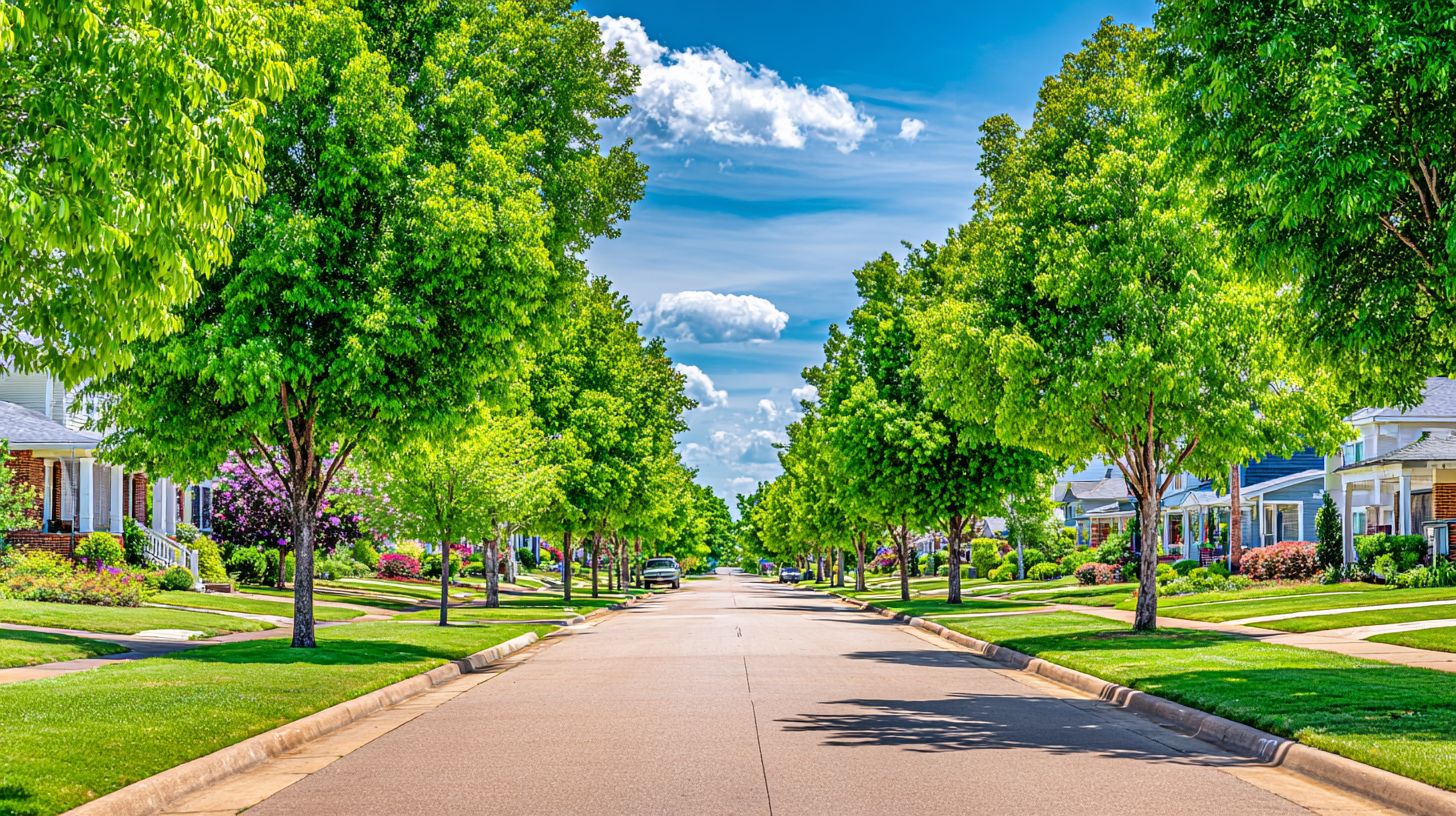
Paoli-Thorndale and Paoli local lines deliver 22- to 38-minute rides from seven Main Line stations into Center City. These routes connect residential neighborhoods directly to Suburban Station without transfers for most riders. Travel times remain consistent across the corridor regardless of exact departure points.
| Town | Nearest SEPTA Station | Average Drive Time in Rush Hour | Average Train Time to Suburban Station | Parking Cost at Station | Express Train Frequency Morning Peak |
|---|---|---|---|---|---|
| Ardmore | Ardmore | 25 minutes | 22 minutes | $5 daily | Every 15 minutes |
| Wynnewood | Wynnewood | 20 minutes | 24 minutes | $4 daily | Every 20 minutes |
| Narberth | Narberth | 18 minutes | 26 minutes | $4 daily | Every 20 minutes |
| Haverford | Haverford | 22 minutes | 28 minutes | $5 daily | Every 15 minutes |
| Bryn Mawr | Bryn Mawr | 28 minutes | 30 minutes | $6 daily | Every 15 minutes |
| Wayne | Wayne | 32 minutes | 34 minutes | $5 daily | Every 20 minutes |
| Paoli | Paoli | 35 minutes | 38 minutes | $6 daily | Every 15 minutes |
Remote work patterns have shifted demand toward outer towns such as Paoli and Berwyn. Professionals now seek larger homes with dedicated office space while keeping occasional access to Center City feasible. This flexibility has increased interest in properties further from Suburban Station.
Express service during morning peak hours offers meaningful time savings for those who commute regularly. Riders who plan around these schedules can reach Center City faster than driving alone would allow. Parking fees at stations range from modest daily rates to slightly higher costs at busier stops.
Many Philadelphia commuters find Montgomery County to be a top choice for precisely these reasons-convenient rail access combined with desirable suburban living.
What Are the Top Amenities and Lifestyle Perks in Historic Main Line Towns?
Historic downtown corridors along Lancaster Avenue combine preserved 19th-century architecture with modern retail clusters and SEPTA-adjacent dining.
Walkable retail strips give residents a small town feel within minutes of Center City. One standout stretch runs through Narberth along Lancaster Avenue, where independent shops sit steps from the regional rail station.
Private country clubs anchor many Main Line communities. The Philadelphia Country Club in Gladwyne offers golf, tennis, and dining for members seeking a refined suburban atmosphere.
Public gardens and preserves provide year-round recreation. Chanticleer Garden in Wayne opens daily from April through October, inviting locals and visitors to explore themed landscapes and woodland trails.
Annual events such as the Devon Horse Show draw families from across the Philadelphia suburbs. The event runs for ten days in late May at the Devon Horse Show Grounds, combining equestrian competitions with local vendor markets.
Family programs at local libraries support parents raising children in the Main Line. The Lower Merion Library System hosts weekly story times and seasonal workshops at its Ardmore branch on South Manoa Road. For those weighing the benefits of suburban living, this contrasts with the urban energy found in Center City, where the lifestyle and housing options differ significantly from Center City vs. The Suburbs: Where Should You Buy Your Next Home?.
How Does the Local Real Estate Market Affect Buyers and Sellers Right Now?
Multiple-offer situations remain common for homes priced under $1.2 million, while days-on-market for luxury listings above $2 million has doubled since 2022. Entry-level homes in the main line philadelphia area move quickly because demand from families stays high. Luxury properties in historic towns face longer listing periods as buyers become more selective.
Current market conditions show fewer homes available overall compared to past years. Buyers in the philadelphia suburbs often face competition from cash offers on well-maintained family friendly properties. Sellers of historic homes must price accurately to attract interest before days on market increase.
Buyers competing with cash offers should secure pre-approval letters from local lenders and work with agents who understand main line communities. This preparation helps when properties near train station locations receive multiple bids within days of listing.
Sellers pricing historic homes benefit from understanding recent sales data rather than relying on original purchase prices. Properties near lancaster avenue or close to private schools often command different values than comparable homes in other sections of the main line towns.
How Do You Navigate Inspections, Financing, and Legal Steps in This Market?
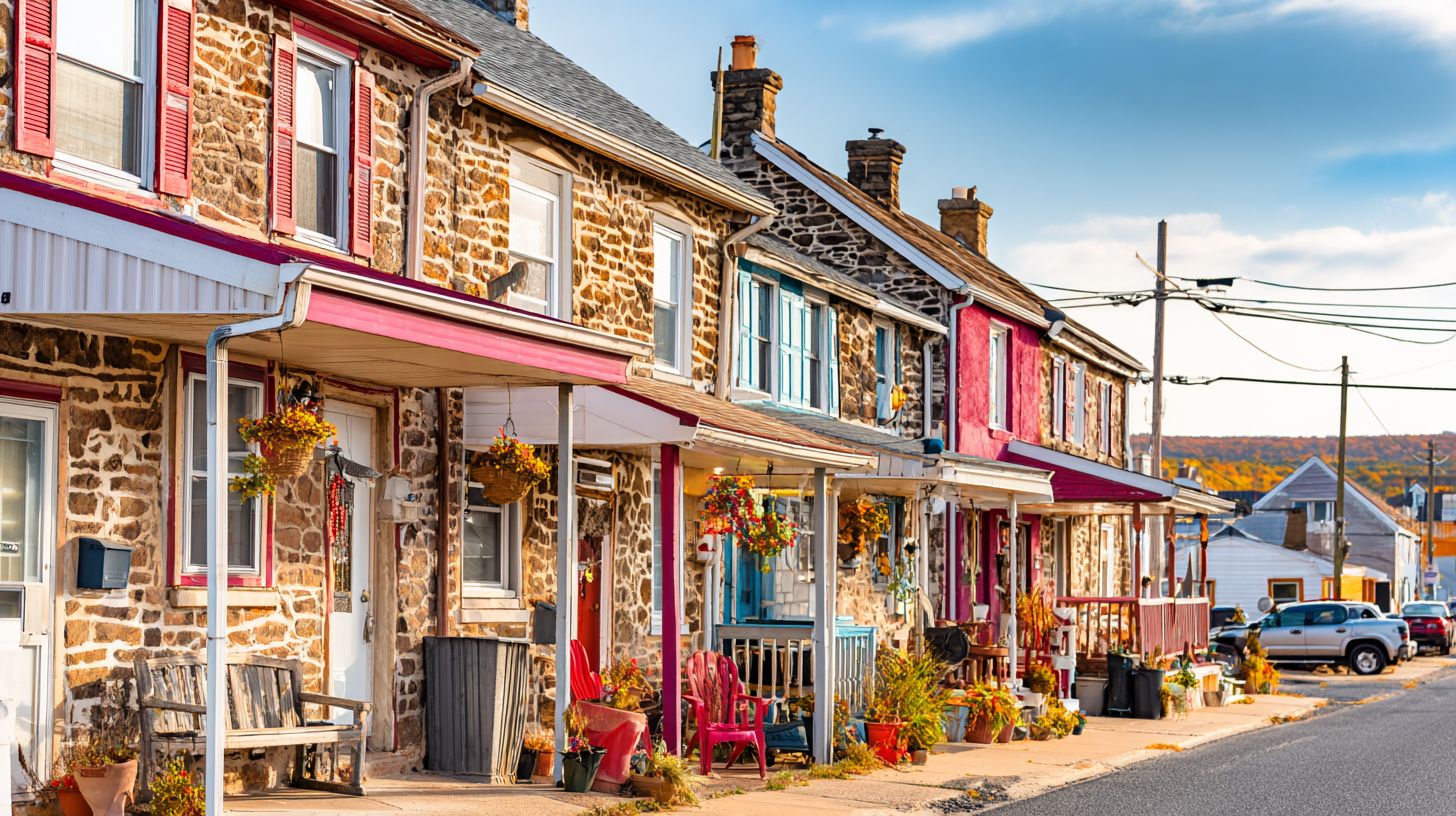
Pennsylvania’s 10-day inspection window and appraisal gap clauses require precise sequencing of lender, inspector, and attorney involvement. Buyers in the Main Line Philadelphia market benefit most when each milestone aligns with local title professionals and experienced mortgage lenders.
The process begins immediately upon offer acceptance. Day one marks the start of the timeline. Buyers should contact their lender to refresh mortgage pre-approval details by day three. This step confirms financing strength before deeper inspections begin.
Day five focuses on booking the home inspection. Knob-and-tube wiring remains a common finding in historic homes throughout the Philadelphia suburbs. Remediation typically requires an electrician to update outdated systems before closing can proceed.
Day seven calls for ordering the appraisal through your lender. This valuation protects both buyer and financing terms. By day ten, repair negotiations are addressed based on inspection findings and appraisal results. Day twelve brings the clear-to-close confirmation.
Local real estate attorneys and title companies in the Philadelphia Main Line communities coordinate these steps efficiently. Their established relationships help families navigate the process without unnecessary delays.
Why Local Expertise Matters When Relocating to Philadelphia’s Suburbs
First sentence: Hyper-local knowledge of school catchment nuances, historic district guidelines, and off-market inventory gives relocating families a measurable edge.
Three common relocation pitfalls outsiders encounter include misjudging tax assessments by township, overlooking private-road maintenance fees, and underestimating flood zones near preserved creek corridors. Each issue can affect monthly costs and long-term satisfaction in main line communities.
Buyers who overlook township-specific tax rules may face unexpected bills after closing. Private road fees often appear only in detailed HOA documents. Flood zones near creek corridors require elevation certificates that generic maps miss.
A family initially chose a home near a preserved creek in one main line town. After receiving neighborhood-specific data on flood insurance requirements and maintenance costs, they selected a different community with clearer long-term expenses.
How Plusrealtors Connects Buyers with Trusted Local Lenders, Inspectors, and Attorneys
Coordinated vendor introductions shorten due-diligence timelines and reduce coordination errors during contract-to-close. Buyers relocating to the Main Line Philadelphia area benefit from this structured approach when moving into historic homes or new properties in communities along Lancaster Avenue.
The three-step workflow begins with an initial needs assessment call. During this conversation, agents discuss financing requirements, inspection priorities, and legal considerations specific to Philadelphia suburbs.
Next, a curated provider short-list is delivered within 24 hours. This list includes local lenders familiar with Main Line markets, inspectors experienced with older construction, and attorneys who understand Pennsylvania real estate practices.
The final step involves a post-service feedback loop. This process ensures future referrals reflect buyer satisfaction and maintains quality standards across the network of trusted professionals.
Local real estate attorneys and title companies in the Philadelphia Main Line communities coordinate these steps efficiently. Their established relationships help families navigate the process without unnecessary delays.
This referral system supports families exploring Main Line towns. Whether considering properties near train stations or evaluating neighborhoods with excellent public schools and private schools, coordinated vendor support streamlines the relocation process.
What Should You Know About Property Management and New Construction Opportunities?
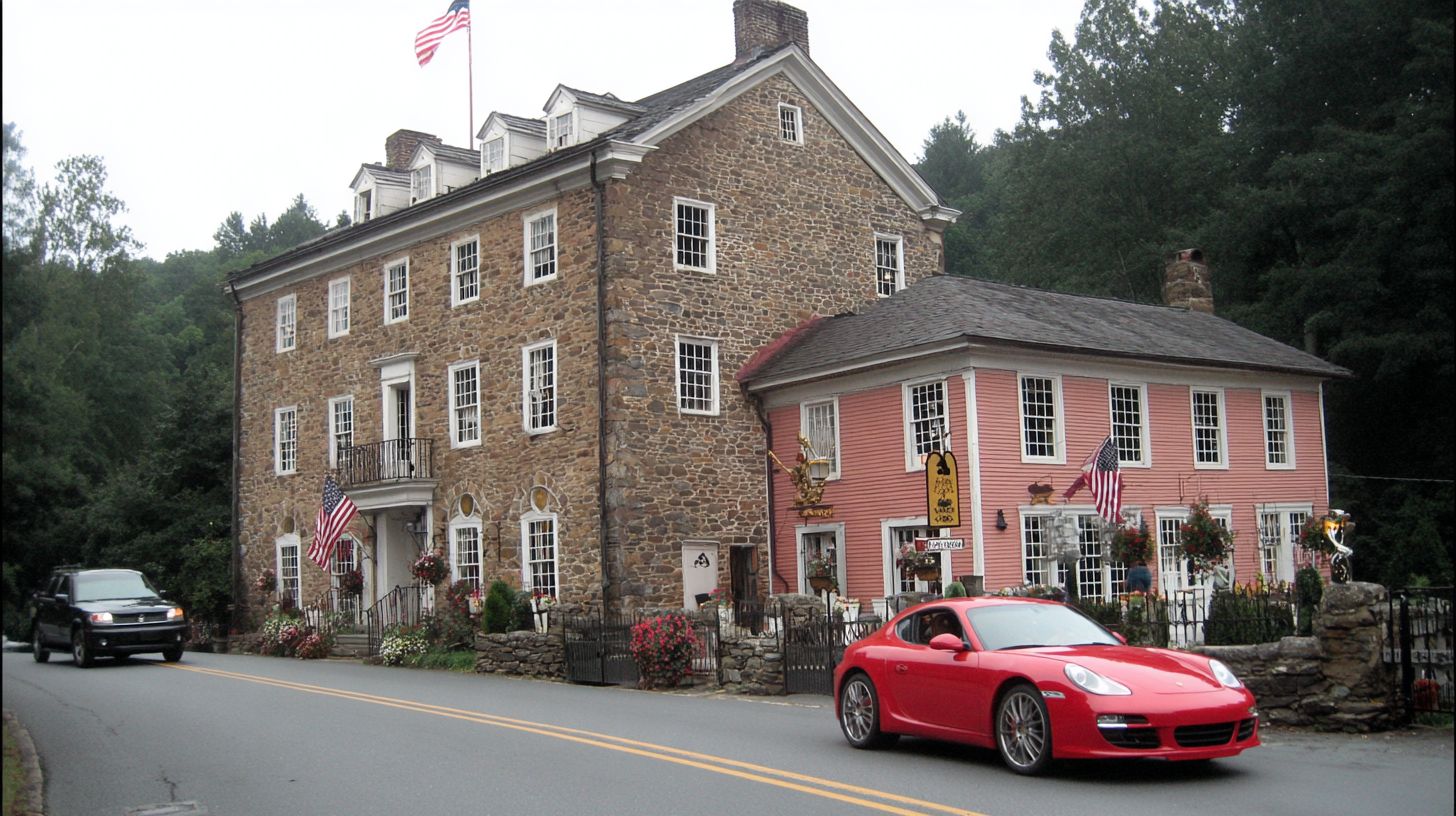
Build-to-suit opportunities on remaining infill lots now command 15-20% premiums over existing-home prices in Radnor and Lower Merion. Property management and new construction options continue to attract investors who want exposure to the Main Line Philadelphia market without daily oversight responsibilities.
Buildable lot inventory remains limited across these historic communities. Typical lot sizes range from one-half acre to three acres depending on the township and underlying zoning. Price ranges for raw land vary widely based on location, utilities access, and proximity to the Pennsylvania Railroad corridor that defines the main line.
Investors who purchase single-family homes for rental income often turn to professional management. Fee structures typically run 8-10% of monthly rent collected. Services included generally cover tenant screening, lease preparation, rent collection, maintenance coordination, and periodic property inspections.
Understanding local zoning rules helps owners explore additional income options. Several districts permit accessory dwelling units on qualifying lots. These rules vary by municipality and require careful review before any construction begins.
- Radnor Township R-1 and R-2 districts
- Lower Merion Township R-1A and R-2 districts
- Tredyffrin Township R-1/2 and R-1 districts
How Do Historic Preservation Rules and Zoning Affect Home Renovations?
Certificates of appropriateness are required for exterior changes visible from the public right-of-way in more than 60% of Bryn Mawr, Haverford, and Merion historic districts. These rules help protect the architectural character that attracts many families to the main line Philadelphia area.
The typical review timeline spans four to eight weeks. Property owners must submit photographs of existing conditions, detailed architectural drawings, material specifications, and a written description of the proposed work. A local historic consultant often prepares a report explaining how the project aligns with district guidelines.
Review boards commonly require material matching and specific window muntin profiles to maintain historic authenticity. Projects that introduce modern siding, vinyl windows, or oversized additions rarely receive approval without significant revisions.
Professional costs for architect drawings and historic consultant reports typically range from several thousand dollars. These expenses form part of the overall renovation budget for anyone considering a property in these protected neighborhoods.
One recent application for a rear addition in Merion was denied because the proposed roofline would remain visible from the street. The board determined that the new massing would alter the historic streetscape and asked the owner to redesign with a lower profile.
Which Nearby Counties Offer Comparable Communities if the Main Line Doesn’t Fit Your Needs?
Chester, Montgomery, and Delaware Counties each contain pockets with similar school quality, transit access, and housing stock at 10 to 25 percent lower price points. These areas appeal to families who want strong communities without the premium that often accompanies main line philadelphia properties.
West Chester in Chester County stands out for its balance of walkable downtown and solid transit links. Median home prices typically sit below the main line communities benchmark, while SEPTA service reaches Center City in roughly 50 minutes. The local public schools rank among the stronger districts in the region.
Ambler in Montgomery County offers a smaller, village like setting with a historic downtown. Prices here often land 15 to 20 percent under comparable main line towns while train times to Center City average 40 minutes. The public school system earns consistent high marks for academics and extracurricular programs.
Media in Delaware County provides another attractive option with its established neighborhoods and county seat energy. Home values tend to be lower than many main line philadelphia addresses, and the train commute runs about 35 minutes. The Wallingford Swarthmore school district serves many residents and maintains top tier ratings.
| Location | Pros | Cons |
|---|---|---|
| West Chester | Walkable downtown, strong schools, lower price points | Longer train ride to Center City, limited direct SEPTA frequency |
| Ambler | Charming small town feel, quick commute, solid academics | Smaller housing inventory, fewer large shopping centers |
| Media | County seat amenities, short train time, excellent schools | Smaller lot sizes typical, competitive market for historic homes |
Plus Realtors serves Philadelphia County, Chester County, Montgomery County, and Delaware County. Their local knowledge helps families compare these alternatives and identify neighborhoods that match their priorities for schools, commute, and community character.