


06 Jul A Step-by-Step Guide to Buying Your First Home in Delaware County
For first-time homebuyers in Delaware County, navigating local inventory, down payment requirements, and transfer taxes demands guidance rooted in the Greater Philadelphia market. This guide outlines how to leverage programs like the Homeownership First Program, connect with trusted local lenders, and understand Delaware County-specific closing costs.
Key Takeaways:
How to Buy Your First Home in Delaware County PA
The Delaware County first-time home purchase timeline begins with securing mortgage preapproval and identifying neighborhoods that match income and lifestyle needs.
Mortgage preapproval requires recent pay stubs, W-2 forms, tax returns, and bank statements from the past two months. Lenders also request a credit report and debt-to-income calculation. This step typically takes three to five business days once documents are submitted.
Once preapproval is in hand, buyers search listings through the multiple listing service. Delaware County properties in popular townships often sell within 15 to 30 days on market while homes in less competitive pockets may remain active for 45 to 60 days.
Buyer’s agent selection follows next. A local agent provides access to off-market opportunities and explains neighborhood-specific property taxes. Many first-time buyers also explore the Homeownership First Program or PHFA options for down payment assistance during this stage.
After finding a suitable property, the buyer submits an offer that includes an earnest money deposit. Most contracts include a financing contingency and an inspection contingency. These protections allow the buyer to exit the transaction if issues arise during appraisal or home inspection.
The home inspection occurs within the first 10 days after contract acceptance. Buyers should also schedule a radon test, which is common throughout Delaware County. Appraisal follows shortly after, confirming the property value meets lender requirements.
Underwriting begins once the appraisal report is received. Lenders review all financial documents again and issue a final loan commitment. This stage usually lasts 30 to 45 days depending on application volume and documentation completeness.
Before settlement, buyers complete a final walk-through to verify repairs and confirm the property condition matches contract terms. The closing disclosure arrives at least three business days prior to settlement.
At closing, buyers pay remaining closing costs, transfer tax, and any prorated property taxes. After signing documents and wiring funds, ownership transfers and keys are received. The entire process from preapproval to closing typically spans 45 to 75 days in the current Delaware County market.
What Are Current Delaware County First-Time Buyer Requirements?
Lenders and local programs set measurable thresholds for credit score, debt-to-income ratio, and minimum savings before issuing preapproval letters.
Most conventional lenders require a minimum 620 credit score to qualify for a first mortgage. This benchmark helps determine whether applicants can handle monthly payments consistently.
A 3 percent down payment is the typical starting point for many first-time buyers using conventional financing. Some programs allow even lower amounts when paired with down payment assistance.
The 28/36 debt-to-income ratio limits remain standard across most mortgage products. Lenders calculate both front-end and back-end ratios to assess total financial obligations.
The Homeownership First Program sets income ceilings based on household size and county median income. Applicants must verify income falls within these published limits to access program benefits. Those preparing for the mortgage process should also explore the ultimate guide to buying a home in Bucks County, PA to understand all related requirements and local considerations.
Income, Credit, and Down Payment Benchmarks
Standard first-time buyer files show a median credit score of 680, 4 percent down payment, and gross income of $68,000 for single applicants.
PHFA overlays often adjust the base requirements for conventional loans. These additional standards may increase the minimum credit score or require extra reserves.
Buyers typically need two to three months of mortgage payments in reserves. This amount covers principal, interest, taxes, and insurance after closing.
A $250,000 purchase price requires roughly $7,500 at 3 percent down plus closing costs. A $350,000 home increases the down payment to about $10,500 under the same terms.
Front-end ratios stay near 28 percent of gross monthly income. Back-end ratios cap at 36 percent when including all monthly debts. These figures help lenders determine sustainable payment amounts.
Which Delaware County Towns Offer the Best Value for First-Time Buyers?
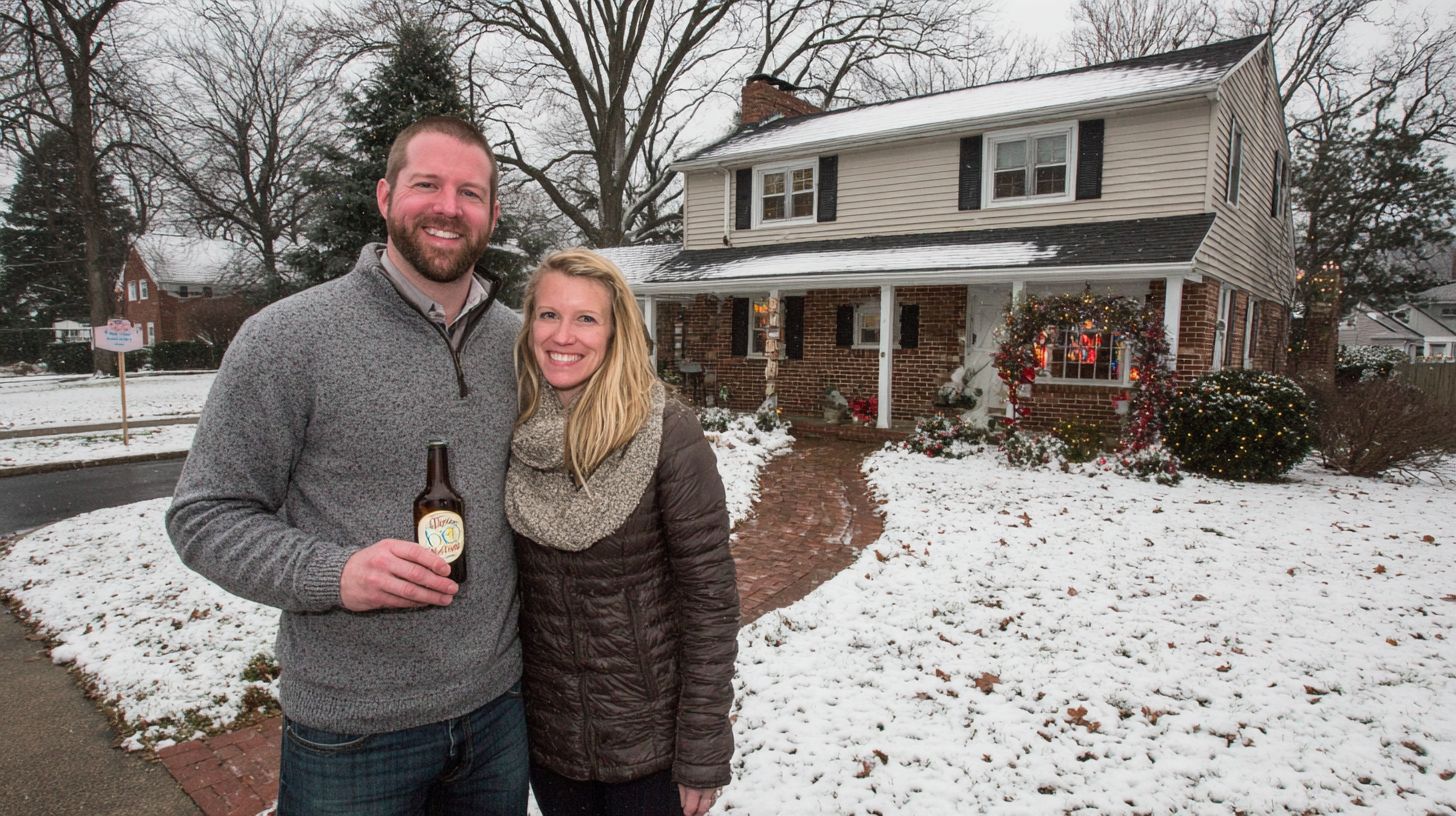
Value is measured by price-per-square-foot, days on market, and projected five-year appreciation in each Delaware County municipality.
First-time homebuyers often look at more than sticker price when evaluating options. They examine how quickly homes sell and what ownership costs will look like over time.
Media, Upper Darby, and Aston each present different combinations of affordability and lifestyle. Buyers should compare these factors against their budget and commute needs before making decisions.
School district performance and property tax rates also weigh heavily in the final choice (see our analysis of top school districts in the Philadelphia suburbs and how they impact home values). Understanding these elements helps narrow the search to neighborhoods that fit both current finances and future plans.
Comparing Media, Upper Darby, and Aston Market Conditions
Media listings average 12 days on market and $315 per sq ft, while Upper Darby averages 19 days and $198 per sq ft.
Media continues to show strong price growth over the past year. Limited inventory keeps competition high for well-maintained properties in desirable school districts.
Upper Darby offers more affordable entry points with higher inventory levels. This creates opportunities for buyers working within tighter budgets or seeking homes closer to public transit lines.
Aston sits between these two markets in both pricing and pace. Moderate days on market and steady appreciation make it worth considering for those who want balance.
Foreclosure activity remains low across all three towns. Buyers can use this stability to plan their financing without added urgency from distressed property situations.
Affordability tiers vary significantly between locations. Upper Darby attracts entry-level purchasers, while Media draws those ready for higher price points and established neighborhoods.
How Much Are Closing Costs and Transfer Taxes in Delaware County?
Delaware County buyers typically pay 2.5 percent to 3.5 percent of the purchase price in combined closing costs and transfer taxes. These fees cover government requirements, lender charges, and insurance protections needed to complete the transaction. First-time homebuyers should budget for these expenses early in the process.
The state of Pennsylvania collects a 1 percent transfer tax on most residential sales. Delaware County adds another 1 percent local transfer tax that supports county services. Together these taxes equal 2 percent of the purchase price and are usually split between buyer and seller depending on the contract terms.
Title insurance premiums protect ownership rights and lender interests. On a $300,000 home this coverage often ranges from $1,800 to $2,400. Rates vary based on the policy amount and the chosen title company, so comparing quotes saves money.
Recording fees cover the cost of filing new ownership documents with county offices. These charges typically range from $100 to $300. Additional lender charges such as appraisal fees, credit report costs, and origination points also appear on the closing disclosure.
Buyers can estimate total closing costs by adding transfer taxes, title premiums, recording fees, and lender charges. On a $300,000 property these expenses often total between $7,500 to $10,500. Working with a local real estate agent helps identify which costs are negotiable and which are required. Curious about the hidden costs of buying a home? Understanding these expenses in greater detail can help you prepare more effectively for your purchase.
Who Are the Best Local Mortgage Lenders for Delaware County Buyers?

Delaware County buyers have access to lenders offering FHA, VA, and down-payment-assistance products with varying rate locks and closing timelines.
First-time homebuyers in this area benefit from working with institutions that understand local property values and county-specific financing needs.
Local lenders often participate in programs that help reduce upfront costs for qualified applicants.
One established option is Pennymac, which currently offers a 30-year FHA rate of 6.75 percent.
This lender requires a minimum credit score of 580 and participates in both Chenoa Fund and PHFA programs.
Pennymac typically completes closings within 30 to 45 days once underwriting begins.
Another strong choice is Freedom Mortgage, which lists a current 30-year FHA rate of 6.875 percent.
The company maintains a credit score requirement of 580 and supports Chenoa Fund along with PHFA initiatives.
Most transactions with this lender reach closing in approximately 35 days.
Trident Mortgage Company also serves Delaware County buyers with a 30-year FHA rate of 6.95 percent.
Applicants need a credit score of at least 580, and the lender works with both Chenoa Fund and PHFA options.
Closing timelines average around 40 days from application approval.
Comparing these lenders helps buyers match their credit profile and timeline preferences with the right financing partner.
Consulting a local real estate agent can provide additional guidance on how the home buying process works and which institution aligns best with specific home purchase goals.
How Do You Choose a Delaware County Real Estate Agent?
Selecting a buyer’s agent requires verifying MLS access, recent transaction volume, and specialty knowledge of first-time buyer financing.
The first criteria centers on closed transaction numbers. Check how many Delaware County sales the agent completed during the past twelve months. This volume shows familiarity with local pricing trends and neighborhood conditions.
Ask for the average days to contract on those sales. Shorter time frames indicate strong negotiation skills and accurate pricing strategies that benefit first-time homebuyers.
Review commission structure next. Compare how the agent splits fees and whether they offer buyer credits toward closing costs. Clear fee discussions prevent surprises later in the process.
Confirm the agent will attend inspections. Their presence helps interpret findings and negotiate repairs before you finalize any purchase agreement.
These four checkpoints help identify agents who understand Delaware County market conditions. They also support first-time buyers through financing, inspections, and document review.
Why Partner with Plusrealtors for Your Delaware County Purchase?
Plusrealtors provides local MLS coverage and a dedicated buyer’s agent team that coordinates inspections, financing contingencies, and closing logistics. This structure helps first-time homebuyers move through each step without missing critical deadlines.
Plus Realtors has over 30 years of experience serving the Greater Philadelphia area including Delaware County. The brokerage offers residential buying support along with property management and new construction services.
Buyers work with one of 59 team members who know local market conditions. This team understands Delaware County neighborhoods and can identify properties that match specific buyer needs.
Many buyers plan to sell their home later. Plus Realtors offers a 2 percent discount listing option for clients who return as sellers, which reduces future transaction costs.
Working with a brokerage that maintains a strong local network of title professionals, inspectors, and mortgage lenders creates smoother closings. Buyers gain access to professionals who understand Delaware County requirements and timelines.
What Local Inspections and Title Services Should First-Time Buyers Schedule?

Delaware County purchase agreements commonly include home, radon, and appraisal contingencies completed within 10 to 17 days of contract ratification. First-time buyers benefit from scheduling these evaluations early to avoid surprises at closing. Local market conditions move quickly, making timely inspections essential.
Five standard inspections protect new homeowners in the area. A general home inspection reviews structural systems and typically costs between 400 and 600 dollars. Radon testing follows Pennsylvania protocols and measures levels over 48 hours for an average fee of 150 dollars. Termite and wood-destroying insect inspections run about 100 dollars and remain common in older neighborhoods.
Septic and well water tests apply to rural properties and average 300 dollars combined. Separate water quality testing adds another 150 dollars when private wells exist. Buyers should confirm which services the contract requires before ordering.
Radon testing follows state guidelines that require closed-house conditions during the sampling period. Elevated results above 4 picocuries per liter trigger mitigation discussions. Licensed testers provide certified reports that satisfy lender requirements.
A title search reveals recorded liens, judgments, or ownership disputes before settlement. Title companies examine county records for unpaid taxes, contractor claims, or prior mortgages. Clearing these issues protects buyers from unexpected financial obligations at closing.
Local professionals coordinate these services within the contingency window. Real estate agents familiar with Delaware County often maintain relationships with inspectors and title experts. This network helps first-time buyers stay on schedule and meet contract deadlines.
How Does Delaware County Property Tax Assessment Work?
Delaware County reassesses properties every three years using a predetermined common level ratio that converts market value into assessed value. This system ensures assessments stay aligned with changing real estate conditions across the region. Homebuyers should understand this process before making an offer.
The current assessment cycle covers 2023 through 2025. Properties receive new valuations that influence the amount of property taxes due each year. First-time buyers benefit from knowing how these figures affect monthly housing costs.
Millage rates differ by township and appear on the annual tax bill. Some municipalities apply higher rates while others maintain lower figures. Local variations make it important to review the specific township when comparing homes.
Property owners who disagree with their assessment can file an appeal. The process requires submitting paperwork by the published deadline and providing comparable sales data. Sales of similar homes sold recently serve as evidence during the review.
Comparable sales must come from the same neighborhood or a nearby area. Buyers often work with professionals to gather this information and present a clear case. Proper documentation increases the chances of a successful adjustment.
Appeals move through a formal hearing where both sides present supporting details. Homebuyers who plan to contest an assessment should start gathering records early. Timely action protects against unexpected tax increases after closing.
What Financing Programs Are Available Through Local Lenders?
First-time buyers in Delaware County can combine federal FHA and VA loans with state and local down payment assistance programs to reduce cash-to-close.
Local lenders often work with three main options that help cover down payment and closing costs. Each program carries specific income limits, loan-to-value caps, and education requirements.
The PHFA Homeownership First program supports eligible households with a second mortgage that covers part of the down payment. Buyers must complete an approved homebuyer education course before closing.
Income limits vary by household size and county location. The program allows a maximum loan-to-value ratio that keeps the first mortgage within FHA or conventional guidelines.
The Delaware State Housing Authority First Start program offers similar down payment help for first-time homebuyers. Participants also finish a required education course and meet income guidelines set for the area.
Loan-to-value limits under First Start align closely with federal loan programs. This structure keeps monthly payments more manageable for new owners.
The Chenoa Fund DPA provides another route through participating lenders. It supplies a second mortgage that covers down payment costs and follows its own income and education rules.
Chenoa Fund participants must meet household income caps and finish an approved homebuyer course. The program works with FHA loans and limits the combined loan-to-value ratio.
Comparing these three programs side by side helps buyers match their financial situation with the right option. Worth exploring: Crucial Steps for First-Time Homebuyers in the Philadelphia Market can give you additional context on navigating these local programs effectively. A local lender can run the numbers for each program during the preapproval stage.
How Can First-Time Buyers Prepare for the Competitive Greater Philadelphia Market?
Preparation starts with obtaining a strong preapproval letter, assembling a 1 percent earnest money deposit, and waiving only non-critical contingencies.
Start your 30-day checklist by ordering your credit reports from all three bureaus. Dispute any errors that appear and pay down revolving balances to improve your score quickly. Most lenders prefer scores above 620 for conventional loans and 580 for FHA financing.
Next, gather documents for rate shopping. Contact at least three mortgage lenders who work regularly in Delaware County. Compare their fees, rate lock periods, and experience with local property taxes and transfer tax calculations.
Build your offer strategy around realistic comps from the multiple listing service. Sellers in competitive pockets often receive several bids, so consider a modest escalation clause that increases your purchase price in increments of one thousand to twenty-five hundred dollars up to a set cap.
Use a list to stay organized during this phase.
- Week one: secure preapproval and pull credit
- Week two: interview lenders and review rate options
- Week three: tour homes and study recent sales
- Week four: rehearse your offer language with your real estate agent
Reserve time on the calendar for the final walk-through. This inspection should occur within 24 hours of closing. Verify that agreed repairs were completed, that no new damage has occurred, and that all fixtures listed in the contract remain in place.
Bring a checklist that covers light switches, appliances, HVAC filters, and any personal property the seller agreed to leave behind. Address discrepancies before you sign the closing disclosure.