


13 Jul Downsizing to a Luxury Condo in Center City: What You Need to Know
For Philadelphia empty nesters ready to trade suburban square footage for the walkability of Rittenhouse Square, The Laurel Rittenhouse Square and similar Center City addresses offer a compelling next chapter. This guide breaks down local HOA costs, resale data, and lifestyle shifts unique to Philly’s condo market-and shows how our vetted network of inspectors, lenders, and property managers simplifies every step.
Key Takeaways:
Center City Philadelphia Luxury Condo Downsizing Costs and Fees
Luxury condo ownership in Center City involves recurring monthly fees plus one-time closing costs that empty nesters must budget before selling their larger home.
HOA dues typically cover building insurance, concierge services, and fitness center access. Monthly charges for Rittenhouse Square and Fitler Square properties often range from $400 to $1,200 based on unit size and amenities included.
Parking spots add another $200 to $400 monthly, while storage units run $50 to $150. Utility costs such as electric, water, and trash remain separate and often total $150 to $300 depending on usage and season.
One-time closing expenses include Philadelphia transfer taxes at 4.07 percent of sale price. Buyers in Pennsylvania also face a 2 percent mansion tax on properties valued above $650,000.
A professional home inspection costs $400 to $750 and helps identify building system issues before purchase. These figures help empty nesters compare total ownership expenses against their current single-family home, much like the expenses outlined in our guide to the hidden costs of buying a home.
| Single-Family Home Maintenance | Condo Ownership Fees |
|---|---|
| Roof and exterior repairs every 10-15 years | Monthly HOA dues cover structural maintenance |
| Landscaping and lawn care, $3,000-$6,000 yearly | Included in HOA dues |
| HVAC replacement, $5,000-$10,000 | Building systems maintained by reserves |
| Snow removal and driveway sealing | Concierge handles building access and security |
HOA Dues, Taxes, and Hidden Expenses in Philly Buildings
Monthly HOA dues in Center City luxury buildings range from $400 to $1,200 depending on building age and amenities, while annual property taxes for a 1,200 sq ft condo often run $6,000 to $9,000.
Typical dues break down into building insurance, front desk staffing, and shared amenity access. Newer high-rises with fitness centers, rooftop decks, and 24-hour security tend toward the higher end of that range.
Hidden expenses often appear as special assessments for unexpected repairs or capital improvements. Capital reserves protect against major projects, but low reserves can trigger future costs for unit owners.
Empty nesters should request the last three years of meeting minutes before purchase. A review checklist includes confirming reserve fund levels, noting any approved special assessments, and checking for ongoing litigation or building code violations.
Reviewing these documents reveals upcoming expenses that may not appear in standard disclosures. This step protects buyers from surprise costs after closing on their new condo.
How Does Downsizing to a Luxury Condo Affect Your Lifestyle in Center City?
Moving from a suburban house to a Center City condo reduces square footage yet increases walkability to restaurants, medical care, and cultural venues. This shift creates more free time while placing residents closer to daily needs. Many empty nesters find their routines simplify quickly after the transition.
One significant change involves the hours previously spent on home upkeep. Lawn mowing, leaf removal, and exterior repairs disappear from the weekly calendar. Building staff often handle snow removal and common area maintenance, freeing residents from these tasks entirely.
Lock and leave convenience stands out as another major adjustment. Residents can travel for extended periods without worrying about property security or seasonal maintenance. This freedom appeals to those who enjoy frequent getaways to New Jersey or New York.
Social opportunities expand as well. Shared amenities like rooftop lounges and fitness centers encourage interaction with neighbors. Proximity to Rittenhouse Square and Fitler Square adds access to events and gatherings within walking distance.
A sample weekly schedule illustrates the time savings clearly. Before downsizing, lawn care and repairs might consume eight hours each weekend. After the move, those same hours become available for dining, cultural activities, or rest. Utility management also becomes simpler in a condo setting. (For those exploring other options, our guide on downsizing to the Philadelphia suburbs offers additional perspective for empty nesters.)
Top Center City Neighborhoods for Luxury Condo Living

Rittenhouse Square, Fitler Square, and Washington Square West remain the most requested addresses for luxury condo buyers seeking proximity to services and transit.
These Center City neighborhoods attract empty nesters and professionals who want high-end amenities without the upkeep of a larger home. Residents enjoy walkability to dining, parks, and cultural destinations that make daily life convenient.
Building features such as floor-to-ceiling windows, concierge service, and secure parking often factor into the decision. These elements support a lock and leave lifestyle that appeals to those downsizing after retirement. If you’re weighing the pros and cons of urban living, learn more about Center City vs. The Suburbs: Where Should You Buy Your Next Home?
Local professionals recommend evaluating noise levels and access to grocery stores before making an offer. Practical considerations like these help buyers select a property that matches their daily needs.
| Neighborhood | Average Price Per Square Foot | Noise Level | Access to Grocery Stores |
|---|---|---|---|
| Rittenhouse Square | Moderate to high | Low | Excellent |
| Fitler Square | Moderate to high | Low | Good | Washington Square West | Moderate | Moderate | Good |
Washington Square West vs. Rittenhouse Square vs. Old City
Each of these three Center City micro-neighborhoods offers distinct trade-offs in building height, noise, and proximity to green space.
Washington Square West provides convenient access to Jefferson Hospital for medical appointments. Residents benefit from tree-lined streets yet face occasional traffic congestion near major intersections.
Rittenhouse Square offers direct park views and numerous dining options within a short walk. Buyers should note that event noise can increase during weekends and holidays.
Old City sits near I-95, which can produce steady background noise for some buildings. The neighborhood provides historic charm and riverfront access that many residents value.
Washington Square West offers two pros, including medical access and green space. Two cons include limited parking availability and older building infrastructure in some properties.
Rittenhouse Square offers two pros, including park proximity and strong walkability. Two cons include higher utility costs in some towers and weekend event crowds.
Old City offers two pros, including historic character and river views. Two cons include highway noise exposure and fewer grocery options within walking distance.
Buyers prioritizing medical access and quieter streets often select Washington Square West. Those seeking park views and dining variety tend to favor Rittenhouse Square.
Residents who value historic architecture and river proximity may prefer Old City despite the trade-offs. A decision matrix based on buyer priorities helps clarify which neighborhood aligns best with individual lifestyle needs.
What Amenities Matter Most in Philadelphia Luxury Condos?
Top-selling luxury buildings in Center City advertise 24-hour concierge, deeded parking, climate-controlled storage, and resort-style fitness centers. These features appeal to buyers who want less daily upkeep after downsizing from a larger home. Many empty nesters seek spaces that support travel and low-maintenance living.
Recent buyer surveys in the Philadelphia market rank amenities in a clear order. Concierge service leads the list, followed by reserved parking spaces inside the building. Climate-controlled storage comes next, then fitness facilities with modern equipment. Rooftop terraces and pool access round out the top five.
Each amenity adds value when included in monthly fees. Buyers should check whether parking fees, storage access, or fitness memberships require separate payments. Some buildings bundle these costs while others treat them as add-ons.
Use this checklist to review fees before signing a contract. Request the full amenity list from the building management office. Ask which items appear in the HOA budget and which carry extra charges. Review the last two years of financial statements for any fee increases. Confirm whether guest parking or additional storage units cost more each month.
Walkability plays a major role in Center City neighborhoods like Rittenhouse Square and Fitler Square. Residents value access to nearby shops, restaurants, and transit without needing a car for daily errands. Buildings with strong amenities often sit close to these conveniences.
Utility costs remain lower in well-managed condo buildings compared to single-family homes. Many newer properties include heating, cooling, and water in the monthly assessment. This structure helps retirement planning by creating more predictable expenses each month.
Lock and leave convenience matters for owners who travel often. Concierge staff can accept packages and monitor building security during extended absences. This service reduces worry when owners spend time away from Philadelphia.
Floor-to-ceiling windows appear in many luxury units and add natural light throughout the day. These features combine with climate-controlled storage to create comfortable living spaces. Buyers gain flexibility without managing exterior maintenance or lawn care.
Plusrealtors Local Network: Title, Inspectors, and Lenders
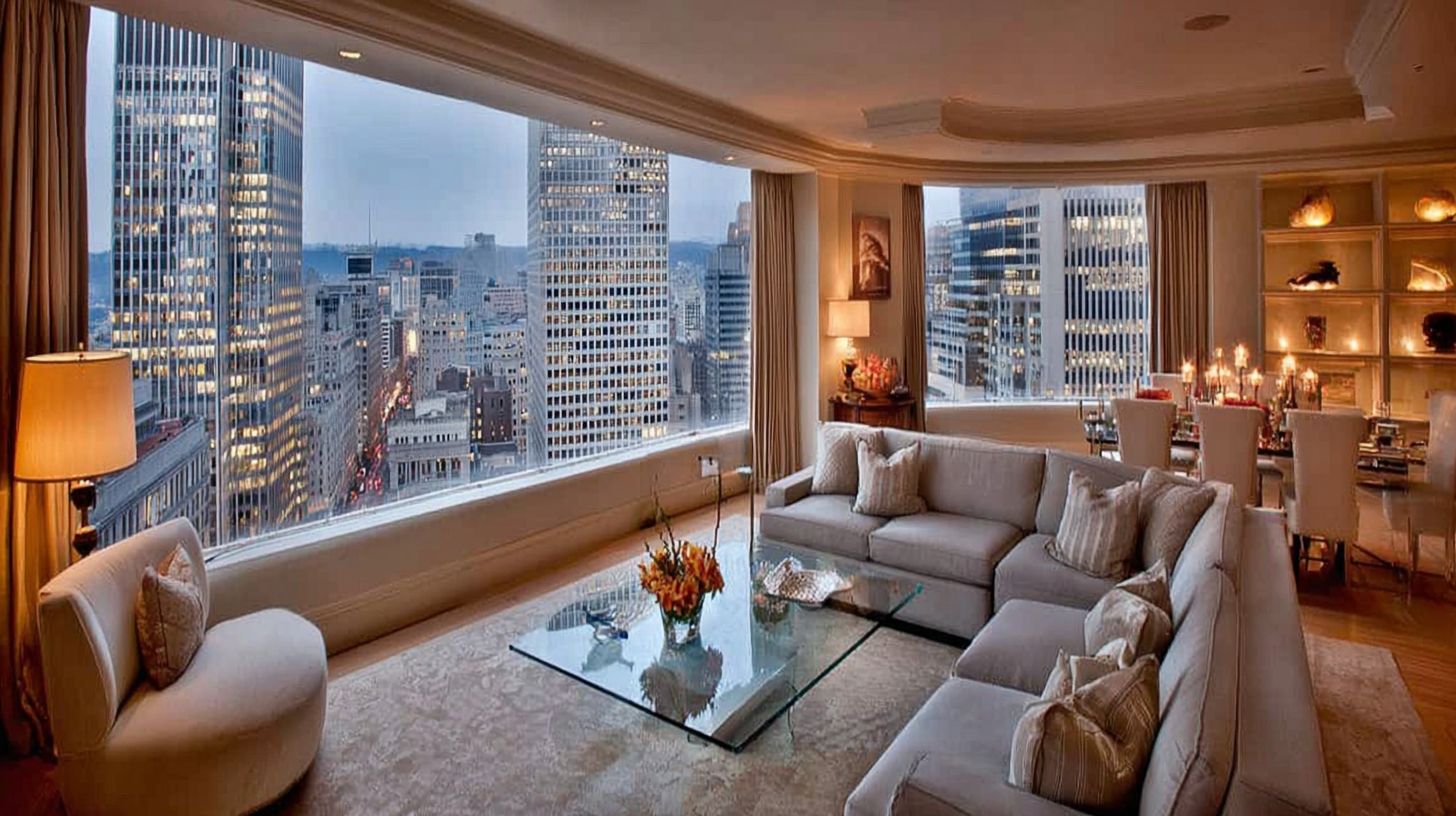
A vetted local network of title companies, inspectors, and lenders shortens the closing timeline and reduces surprises during condo purchases.
Buyers benefit when professionals already understand Philadelphia building requirements. This knowledge proves especially useful when reviewing documents for luxury condos in Center City.
The right team helps empty nesters move from larger homes into smaller spaces. They bring expertise that applies to neighborhoods such as Rittenhouse Square and Fitler Square.
Vetting each vendor type follows a consistent three-step process. Start by confirming state licensing and checking references from recent Center City transactions.
Next, ask about prior experience with high-rise buildings. Request examples of inspections or closings completed in properties with shared amenities and parking structures.
Finally, review their process for special assessment reviews. Ask how they identify upcoming building repairs that could affect future maintenance costs.
Buyers should ask title companies specific questions. How many Philadelphia condo closings did they complete last year, and do they handle transfer taxes regularly?
Inspectors need questions about high-rise access. Can they reach all mechanical rooms, and have they documented issues common to buildings with floor-to-ceiling windows?
Lenders should explain their familiarity with condo financing. Ask whether they review co-op fees and special assessments as part of the approval process.
Local professionals understand walkability factors that matter in Center City. They also recognize how storage needs and utility costs differ from suburban homes.
Working with experienced vendors supports a smoother transition into lock and leave living. This approach helps retirement buyers focus on enjoying neighborhood amenities rather than paperwork.
Financing Luxury Condos in Greater Philadelphia Market
High-rise condos in Philadelphia require lenders familiar with building financials and FHA or conventional loan limits for the area.
Buyers who plan to downsize often discover that luxury condo financing involves more than a standard mortgage application. Lenders review the building’s overall financial health before approving funds.
Most lenders request an HOA questionnaire that details reserves, litigation history, and upcoming assessments. This document helps confirm the property can support long-term ownership.
A reserve study shows how much money the association holds for major repairs. Strong reserves reduce the chance of special assessments after purchase.
Litigation disclosures reveal any ongoing lawsuits against the building. Buyers should review these carefully since legal issues may affect future resale or insurance costs.
Philadelphia County follows current conforming loan limits set by Fannie Mae and Freddie Mac. These limits change annually and affect how much buyers can borrow without entering the jumbo loan market.
Working with Local Mortgage Lenders for High-Rise Purchases
Local lenders who close multiple Center City condo transactions per month already know which buildings have lending restrictions.
Working with experienced professionals helps empty nesters move smoothly through the financing process. These lenders understand neighborhood-specific requirements in Rittenhouse Square and Fitler Square.
Ask the following five questions when interviewing mortgage professionals:
- How many loans have you closed in this specific building during the past year?
- Has this condo association faced any lending restrictions recently?
- Can you provide conditional approval before we submit an offer?
- What documentation does the building require beyond standard paperwork?
- How do current loan limits affect this particular property?
Obtaining conditional approval early shows sellers that financing is secure. This step strengthens an offer in competitive Center City markets where multiple buyers often compete for the same unit.
Local mortgage specialists also maintain relationships with title professionals and real estate attorneys who understand Philadelphia transfer taxes and settlement procedures. These connections speed up closing timelines for downsizing buyers.
Property Management Services for Center City Condo Owners
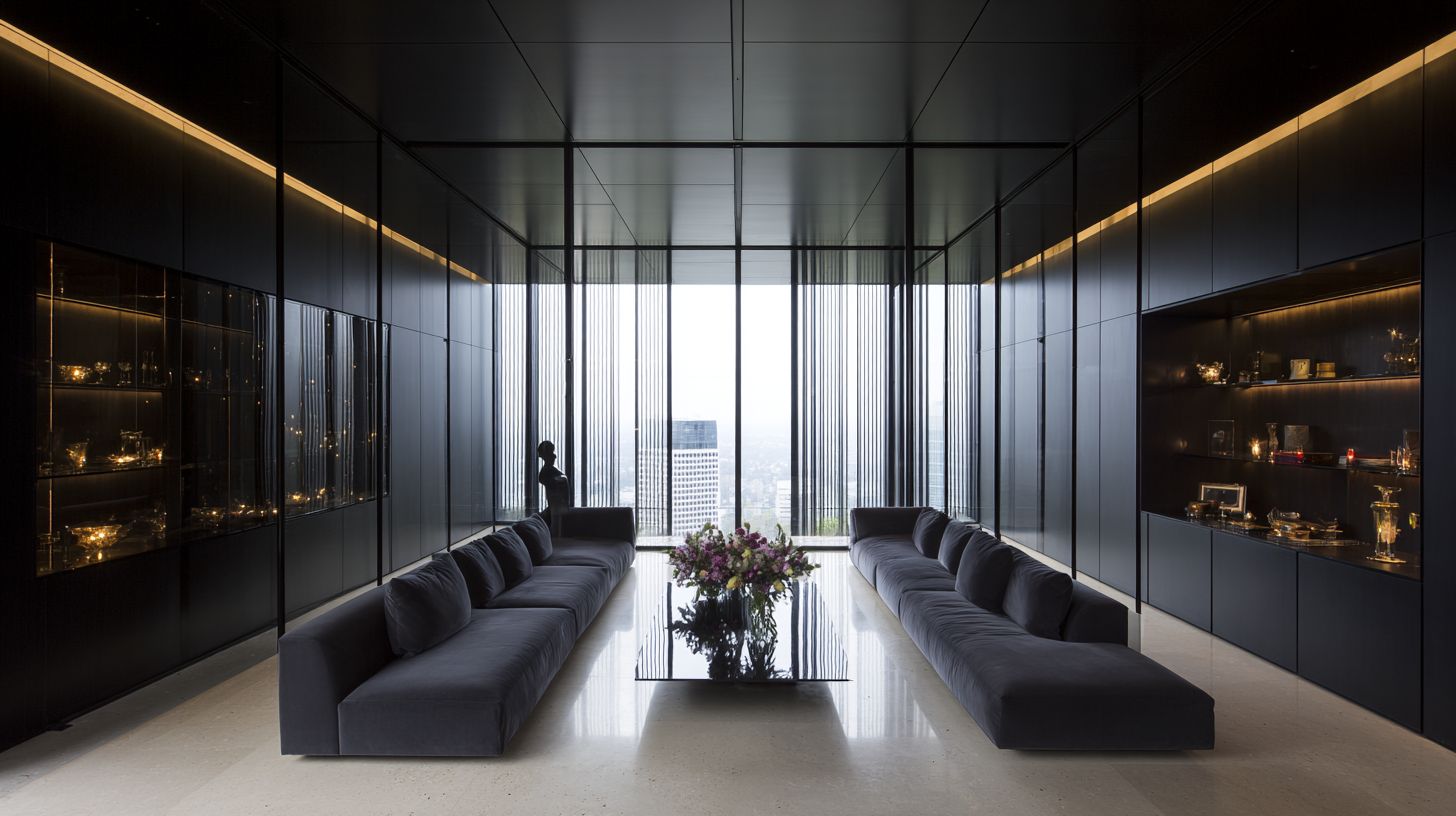
Professional property management companies handle HOA compliance, tenant placement, and repair coordination for absentee or part-time condo owners. These services prove especially valuable for empty nesters who want to enjoy their new luxury lifestyle without ongoing maintenance concerns. Owners in neighborhoods like Rittenhouse Square and Fitler Square often rely on this support to keep their investment protected.
Typical monthly management fees in Center City range from several hundred dollars to over one thousand dollars depending on unit size and service package. Basic plans usually cover financial reporting, vendor oversight, and routine communications with the condo association. Add-on services such as tenant screening, eviction coordination, or specialized maintenance requests carry separate charges.
Services included in standard agreements focus on day-to-day operations. Owners can expect help with rent collection, lease renewals, and coordination for utility costs. Extra services like concierge-level oversight, seasonal inspections, or emergency repairs after hours require separate negotiation and additional fees.
Local experts recommend reviewing multiple property management proposals when downsizing to a luxury condo in Center City. Comparing fee structures against the amenities included helps owners select the right partner for their Philadelphia property. This approach keeps costs predictable while maintaining the lock and leave lifestyle many retirement buyers seek.
Resale Value and Long-Term Investment in Philly Condos
Center City condo resale values have shown 3-5% average annual appreciation over the last decade, driven by limited inventory and strong rental demand.
Philadelphia neighborhoods like Rittenhouse Square and Fitler Square continue to attract buyers who want walkability and luxury amenities. These areas maintain steady interest from both empty nesters and professionals relocating from New York or New Jersey.
Building reserves play a critical role in preserving condo value over time. Adequate reserves fund major repairs without special assessments that could burden current owners.
Rental restrictions also protect long-term investment returns. Buildings that limit short-term rentals tend to maintain higher owner-occupancy rates and more stable community standards.
Property taxes in Philadelphia remain a consideration for condo buyers downsizing from larger homes. Transfer taxes apply during the purchase process and should factor into overall budgeting.
Five-year price trends for 1- and 2-bedroom units reflect consistent demand in these Center City locations.
| Neighborhood | Unit Type | 2020 Median Price | 2025 Median Price | 5-Year Change |
|---|---|---|---|---|
| Rittenhouse Square | 1-Bedroom | $425,000 | $485,000 | +14.1% |
| Rittenhouse Square | 2-Bedroom | $675,000 | $775,000 | +14.8% |
| Fitler Square | 1-Bedroom | $395,000 | $460,000 | +16.5% |
| Fitler Square | 2-Bedroom | $625,000 | $740,000 | +18.4% |
These figures illustrate how limited inventory supports price stability across both neighborhoods. Buyers benefit from understanding these patterns before making a downsizing decision.
Condo ownership in Center City also involves ongoing costs such as monthly fees and utility expenses. Buyers should review recent financial statements and reserve levels during the purchase process.
Local market conditions in Philadelphia favor properties with strong building governance and clear rental policies. These factors help maintain resale appeal when the time comes to sell.
When weighing the decision to purchase in Center City, many buyers ultimately compare their options with suburban living. For a detailed breakdown of pros and cons, explore our guide on Center City vs. The Suburbs: Where Should You Buy Your Next Home?
Commercial Real Estate Crossover: Mixed-Use Buildings in Center City
Mixed-use buildings in Center City combine ground-floor retail with residential condos, affecting both HOA fees and potential rental income streams. Ground-level commercial tenants contribute steady revenue that supports building operations. This revenue model often helps stabilize monthly assessments for condo owners who are downsizing into luxury units.
Commercial leases provide predictable income that can offset maintenance costs for shared amenities. Retail tenants may also increase foot traffic and neighborhood vibrancy. Buyers considering a Center City condo should review the lease terms and tenant mix before making a purchase decision.
Experts recommend examining the percentage of commercial versus residential square footage in any mixed-use property. Higher commercial ratios can mean greater revenue potential but may also introduce additional variables around operating hours and delivery traffic. Understanding these dynamics helps empty nesters evaluate long-term suitability.
Mixed-use buildings offer several advantages compared to purely residential options. Retail presence can enhance walkability and local services within the same structure. Commercial income streams may moderate condo fees over time.
Purely residential buildings eliminate concerns about business hours and delivery noise. They often appeal to buyers seeking maximum quiet in a luxury setting. The trade-off is that all operating costs fall solely on residential owners without commercial revenue support.
Pros of mixed-use buildings include diversified income sources and convenient access to retail. Cons can involve shared parking conflicts and potential noise from commercial activity. Buyers should weigh these factors against their lifestyle preferences in Center City neighborhoods.
Zoning restrictions vary across Philadelphia districts and affect permitted uses within mixed-use developments. Some areas limit the types of businesses that can occupy ground-floor space. Other zones impose height or density requirements that influence building design.
Buyers should verify current zoning classification with the City of Philadelphia zoning board before closing. Title professionals and real estate attorneys can review any restrictions that might impact future renovations or rental plans. Confirming these details early prevents surprises after purchase.
New Construction Condos vs. Established Luxury Buildings
New construction offers modern finishes and developer incentives while established buildings provide proven reserves and immediate occupancy. Buyers who are downsizing need to weigh these differences carefully before choosing a property in Center City.
New construction condos often include developer warranties on major systems. These warranties can cover structural elements and appliances for several years after purchase. Buyers should review warranty lengths and transfer terms before closing.
Established luxury buildings typically maintain larger reserve funds. These reserves help cover unexpected repairs without large special assessments. Strong reserves often translate to more stable HOA fees over time.
Appreciation patterns vary between the two options. New projects may gain value as the neighborhood matures. Established buildings can show steady long-term gains based on location and building quality.
HOA fee stability depends on building age and management practices. New construction fees may rise as reserves build up. Established properties with solid history often provide clearer fee trends for buyers to review.
Closing timelines differ between the two choices. New construction condos commonly require six to twelve months from contract to closing. Established luxury buildings can close in thirty to sixty days once financing clears.
Buyers should request a detailed HOA financial statement for either option. This document reveals reserve levels and recent fee increases. Local Philadelphia specialists can help interpret these reports during the search process.
| Category | New Construction | Established Buildings |
|---|---|---|
| Warranty Coverage | Developer warranties on systems and finishes | Limited warranties, strong reserve funds |
| HOA Fee Stability | Potential increases as reserves grow | More predictable based on history |
| Appreciation History | Depends on neighborhood development | Established track record available |
| Closing Timeline | Six to twelve months typical | Thirty to sixty days common |